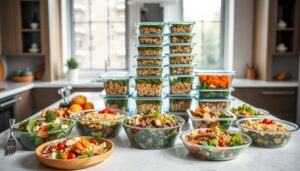




Starting a plant-based cooking journey is both fun and a bit scary. With the right help, you can explore a world of tastes and health benefits. Our free Vegan Beginner’s Guide makes cooking vegan easy, enjoyable, and tasty.
Learn to make delicious and easy-to-make dishes that will make your taste buds happy. This guide gives you plant-based cooking tips and ideas to start your cooking adventure.
Key Takeaways
- Simple and delicious plant-based recipes to get you started
- Tips for transitioning to a vegan lifestyle
- Understanding the benefits of a plant-based diet
- Exploring global cuisines through vegan cooking
- Essential kitchen tools for vegan cooking
What Plant-based Eating Really Means
Starting a plant-based lifestyle might seem hard. But, knowing its basics makes it easier. It’s all about eating foods from plants like fruits, veggies, whole grains, and legumes.
Many think plant-based is the same as vegan or vegetarian. But, they are different. Knowing these differences helps you choose what’s best for you.
Defining Plant-based vs. Vegan vs. Vegetarian
Veganism means no animal products, including dairy and eggs. Vegetarianism lets you have dairy and eggs, with some exceptions. Plant-based diets include plants mostly, but sometimes a little animal food. It’s about the right mix, not cutting out everything.
Health Benefits of Plant-based Diets
Plant-based diets are good for your health. They lower heart disease, diabetes, and cancer risks. They’re full of fiber, vitamins, and minerals, and have less bad fats. Adding easy plant-based recipes to your meals can boost your health.
Environmental Impact of Plant-based Choices
Plant-based diets are also good for the planet. Animal farming harms the environment a lot. By choosing simple plant-based meals, you help the earth and reduce pollution.
If you’re new to plant-based eating, start with vegan recipes for beginners. It’s about making choices that are good for you and the planet.
Stocking Your Plant-based Pantry
Getting the right ingredients is key to plant-based cooking. A good pantry lets you make many dishes without going to the store often.
Essential Grains and Legumes
Grains and legumes are vital for plant-based meals. Quinoa, brown rice, and whole wheat pasta are must-haves. Legumes like lentils, chickpeas, and black beans are full of protein and fiber.
Nuts, Seeds, and Plant-based Proteins
Nuts and seeds make dishes crunchy and nutritious. Almonds, chia seeds, and flaxseeds are good for healthy fats and protein. Tofu, tempeh, and seitan are great for protein in many recipes.
Flavor Boosters: Herbs, Spices, and Condiments
Herbs, spices, and condiments add flavor to plant-based cooking. Turmeric, cumin, smoked paprika, and nutritional yeast are popular. For more pantry ideas, see this guide on vegan pantry stocking.
Plant-based Alternatives for Animal Products
Finding animal product alternatives is key for a plant-based diet.
Dairy Alternatives
Plant-based milks like almond, soy, and oat milk replace dairy well. Vegan cheese and yogurt are also good options.
Meat Substitutes
Vegan sausages and burgers can stand in for meat. Look for ones made from pea protein or tempeh.
Stocking Your Plant-based Pantry
Getting the right ingredients is key to tasty plant-based meals. A good pantry lets you make many dishes without needing to shop often.
Begin with essential grains and legumes. Grains like brown rice and quinoa are great for meals. Legumes, like lentils and chickpeas, are full of protein and fiber.
Nuts and seeds are also important. They give healthy fats and protein. Almonds and chia seeds are good for many dishes. For plant-based alternatives for animal products, try tofu and tempeh.
For more pantry tips and recipes, see our guide on vegan pantry staple recipes. It has over 20 easy formulas for meals and sauces.
Don’t forget herbs, spices, and condiments. They make simple foods taste great. For healthy beginner plant-based recipes, use garlic, ginger, and turmeric. Try tamari and nutritional yeast too.
With these ingredients and recipes, you’ll make a wide range of tasty plant-based dishes.
Kitchen Equipment for Successful Plant-based Cooking
Starting with the right tools is key to plant-based cooking. The right equipment makes your dishes better and easier to make.
Essential Tools Every Plant-based Kitchen Needs
Every kitchen needs a good chef’s knife, a cutting board, and pots and pans. A high-quality blender is also a must. It’s great for smoothies, soups, and sauces. These basics are key for making quick and easy plant-based meals.
Time-saving Appliances Worth the Investment
Some appliances make plant-based cooking easier. A pressure cooker cooks beans and grains fast. A food processor helps with prep and sauces. These gadgets are great for those new to plant-based recipe ideas.
Optional Gadgets That Enhance Plant-based Cooking
Some gadgets are nice but not necessary. A spiralizer for zucchini noodles or a soy milk maker can spice up your cooking. They make cooking fun and creative.
Plant-based Recipes for Beginners: Breakfast Edition
Starting your day with plant-based breakfast ideas is easy. There are many quick, tasty, and healthy options. This makes it simple to begin your day with a plant-based meal.
5-Minute Breakfast Ideas
For quick mornings, you need fast breakfasts. Overnight oats and smoothies are great choices.
Overnight Oats Variations
Overnight oats are easy to make and can be changed up. Mix oats, almond milk, chia seeds, and fruit for a yummy start.
Quick Smoothie Recipes
Smoothies are quick and nutritious. Blend fruits, plant-based milk, and spinach for a healthy breakfast.
Protein-packed Morning Meals
Want more protein? Try tofu scrambles and chickpea flour omelets.
Tofu Scrambles
Tofu scrambles taste like eggs. Season with turmeric, nutritional yeast, and spices for a cheesy flavor.
Chickpea Flour Omelets
Chickpea flour omelets are protein-rich. Fill them with veggies and spices for extra taste.
Weekend Brunch Recipes
Weekends are great for trying new breakfasts. Try plant-based pancakes and burritos.
Plant-based Pancakes and Waffles
Make fluffy pancakes and waffles with plant-based ingredients. Top with fruits, syrup, or nut butters for a treat.
Breakfast Burritos and Sandwiches
Fill burritos with tofu, beans, and veggies. Or, make sandwiches with plant-based sausage and eggs for a weekend brunch.
Batch-cooking Breakfast Ideas
Batch-cooking saves time. Make muffins, energy balls, or burritos in bulk. This gives you quick breakfasts all week.
| Breakfast Idea | Prep Time | Protein Content |
|---|---|---|
| Overnight Oats | 5 minutes | 5g |
| Tofu Scramble | 10 minutes | 20g |
| Chickpea Flour Omelet | 15 minutes | 15g |
Satisfying Plant-based Lunches
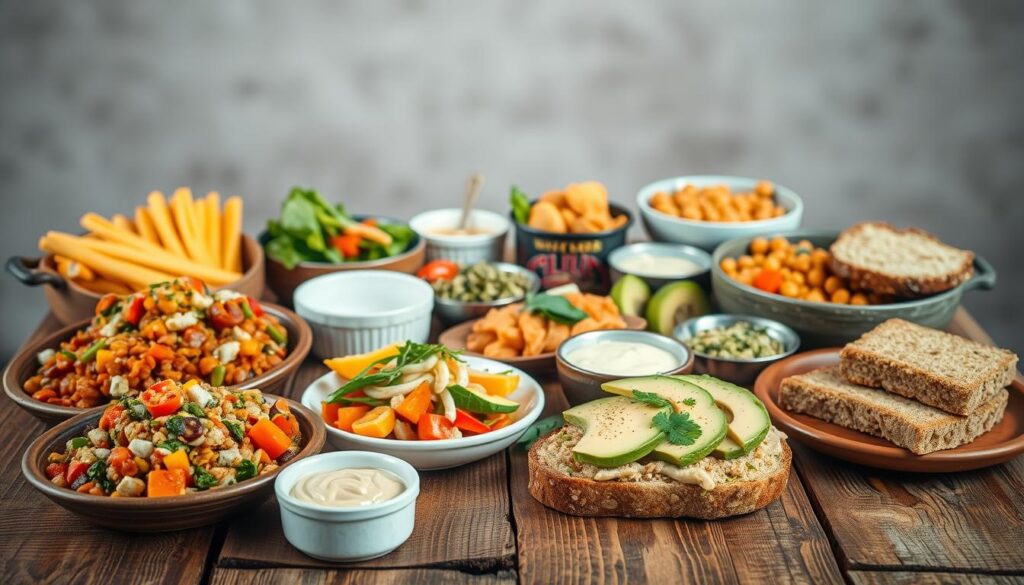
Plant-based lunches are not just healthy; they’re also incredibly diverse and satisfying. Whether you’re looking for a quick meal to take on the go or a leisurely lunch to enjoy with friends, there are countless options to explore.
Hearty Salads That Keep You Full
A well-crafted salad can be more than just a light lunch; it can be a filling meal that keeps you satisfied until dinner. Incorporate protein-rich ingredients like chickpeas, tofu, or quinoa, and add healthy fats such as avocado or nuts.
For example, a kale salad with roasted sweet potatoes, chickpeas, and a citrus vinaigrette makes for a satisfying and nutritious lunch.
Global-inspired Grain Bowls
Grain bowls are a versatile and easy way to enjoy a plant-based lunch. By combining a base of grains like brown rice, quinoa, or farro with a variety of vegetables, legumes, and sauces, you can create a meal that’s both nourishing and flavorful.
Try a Korean-inspired bowl with kimchi, tofu, and a fried egg, or an Indian-style bowl with spiced lentils, roasted vegetables, and a dollop of raita.
Creative Sandwiches and Wraps
Sandwiches and wraps are classic lunch options that can easily be made plant-based. Use a variety of breads and wraps, such as whole grain, sourdough, or collard green wraps, and fill them with creative combinations of vegetables, hummus, and plant-based proteins.
A vegan “chick’n” parmesan sandwich or a wrap filled with roasted vegetables and tzatziki sauce can be a satisfying and easy lunch.
Make-ahead Lunch Recipes for Busy Weeks
For those with busy schedules, make-ahead lunches can be a lifesaver. Consider preparing mason jar salads or freezer-friendly options like lentil or veggie burgers.
Mason Jar Salads
Layer ingredients like greens, vegetables, beans, and grains in a jar for a quick and easy lunch. Simply add a dressing just before serving.
Freezer-friendly Options
Prepare a batch of freezer-friendly meals like vegan soup or lentil burgers, and freeze them for up to three months. Simply thaw and reheat when needed.
| Lunch Idea | Main Ingredients | Prep Time |
|---|---|---|
| Hearty Kale Salad | Kale, sweet potatoes, chickpeas | 20 minutes |
| Korean Grain Bowl | Quinoa, kimchi, tofu | 30 minutes |
| Vegan Chick’n Parmesan Sandwich | Bread, vegan chicken, marinara sauce | 25 minutes |
By incorporating these ideas into your meal planning, you can enjoy a variety of satisfying and healthy plant-based lunches.
Flavorful Plant-based Dinner Recipes
Explore tasty plant-based dinner recipes for all tastes and events. Whether you’re cooking for a quick dinner or hosting guests, these recipes will help you make delicious meals.
One-pot Weeknight Meals
One-pot meals save time on busy weeknights. They’re simple to make, clean up is easy, and they taste great. Try a lentil stew or a quinoa and vegetable skillet for a tasty dinner. These meals are great for adding veggies and legumes to your diet.
Plant-based Versions of Comfort Food Classics
Make comfort food classics plant-based without losing flavor. Some favorites include:
- Pasta Dishes: Vegan lasagna or creamy mushroom fettuccine with plant-based cream.
- Burgers and Sandwiches: Juicy veggie burgers or vegan “chick’n” parmesan sandwiches.
- Casseroles and Bakes: Hearty vegan shepherd’s pie or plant-based mac and cheese.
International Cuisine Made Plant-based
Try plant-based versions of international dishes. Some ideas are:
- Asian-inspired Dishes: Vegan pad thai or Korean BBQ jackfruit.
- Mediterranean Favorites: Stuffed bell peppers with quinoa and herbs or vegan gyro wraps.
- Latin American Recipes: Black bean and sweet potato enchiladas or vegan tacos.
Impressive Dishes for Entertaining
Wow your guests with elegant plant-based dinner recipes. Make a vegan Wellington or a stuffed portobello mushroom for a memorable main dish. These dishes will impress and delight your guests.
Essential Cooking Techniques for Plant-based Success
Learning the right cooking techniques is key to tasty plant-based dishes. These skills make cooking fun and varied.
Mastering Beans and Legumes
Beans and legumes are key in plant-based food. They offer protein, fiber, and texture. Cooking them right makes them taste better and easier to digest.
Soaking and Cooking Methods
Soaking beans before cooking helps them cook faster and digest better. Using pressure cooking can make them even tastier and softer.
Flavor Enhancement Strategies
Adding onions, garlic, and bay leaves to your cooking boosts the taste of beans and legumes.
Vegetable Preparation Techniques
Vegetables are vital in plant-based meals. The right prep techniques bring out their taste and texture.
Roasting for Maximum Flavor
Roasting veggies caramelizes their sugars, making them taste sweeter. It works for many veggies, like Brussels sprouts and sweet potatoes.
Steaming, Sautéing, and Grilling
Steaming keeps veggies’ nutrients. Sautéing and grilling add texture and smoky taste. Each method is a special way to enjoy veggies.
Working with Tofu, Tempeh, and Seitan
Tofu, tempeh, and seitan are great plant-based proteins. Knowing how to cook them adds variety to your meals.
Creating Creamy Textures Without Dairy
It’s possible to get creamy textures without dairy. Cashew cream or blended veggies can make plant-based dishes rich and creamy.
Mastering these cooking techniques lets you make many tasty plant-based meals. Try different methods and ingredients to find your favorites.
“The way we eat is a statement of our values, and choosing plant-based options is a powerful way to promote health, sustainability, and compassion.”
Building Incredible Flavor in Plant-based Dishes
Exploring different ways to make plant-based food taste great is key. You can turn simple meals into amazing dishes. This is done by using special flavor enhancers and techniques.
Understanding and Creating Umami
Umami is the fifth taste, besides sweet, sour, bitter, and salty. It’s a deep, savory taste found in mushrooms, soy sauce, and miso. To add umami, try dried porcini mushrooms, nutritional yeast, or tamari.
Herb and Spice Combinations for Various Cuisines
World cuisines use special herb and spice mixes for unique tastes. For example, Indian food uses turmeric, cumin, and coriander. Mexican dishes might have cumin, chili powder, and oregano. Trying these mixes can make your cooking more interesting.
Homemade Sauces, Dressings, and Marinades
Homemade sauces, dressings, and marinades can really boost flavor in plant-based dishes. Making your own lets you pick the ingredients and flavors you like. It’s a good idea to have your favorite sauce or dressing ready to use.
Fermented Foods for Depth and Complexity
Fermented foods add depth and complexity to your cooking. They’re full of probiotics, which help with digestion, and taste rich and savory.
Kimchi and Sauerkraut
Kimchi and sauerkraut are fermented veggies full of vitamins and probiotics. They’re great as toppings or to add flavor to dishes.
Miso and Tempeh
Miso and tempeh are fermented soy products rich in protein and flavor. They’re perfect for soups, stews, or as marinades.
Plant-based Yogurts
Plant-based yogurts, like those made from coconut, almond, or soy milk, are great for sauces or toppings. They’re perfect for desserts and breakfasts.
Overcoming Common Plant-based Cooking Challenges
More people are choosing plant-based diets. It’s important to know how to overcome common cooking challenges. This makes cooking easier and more fun, whether you’re new or experienced.
Cooking for Mixed-diet Households
Cooking for different diets can be tough. A good idea is to make versatile base meals. These can be changed to fit everyone’s taste. For example, a grain bowl can have many toppings, like veggies or tofu.
Plant-based Eating on a Budget
Many think plant-based eating is pricey. But, it can be affordable. Buying whole grains, legumes, and seasonal produce in bulk helps save money. Also, planning meals around sales can be smart.
Time-saving Strategies and Meal Prep
Meal prep is great for those who are busy. Batch cooking on weekends can give you meals for days. Quick recipes like lentil soup or stir-fries are easy to make.
Navigating Social Situations and Dining Out
Eating out or at social events doesn’t have to be hard. Look up plant-friendly restaurants before going. Or, bring a dish to share. Talking to hosts or servers about your diet helps too.
| Challenge | Solution |
|---|---|
| Cooking for Mixed Diets | Prepare versatile base meals |
| Eating on a Budget | Buy in bulk, plan around sales |
| Time Constraints | Batch cooking, simple recipes |
| Dining Out | Research restaurants, bring a dish to share |
Conclusion: Your Journey to Delicious Plant-based Cooking
Starting a plant-based cooking journey is exciting. It opens up new flavors and ways to cook. You’ve learned that it’s more than just food. It’s about living healthy, being kind to the planet, and caring for animals.
By getting the right ingredients and learning new cooking skills, you’re making tasty plant-based meals. You can be a beginner or an expert. Plant-based cooking is full of fun and new things to try.
Keep making delicious meals as you go on your vegan cooking journey. Every meal is a chance to make your body happy and your taste buds dance. Keep trying new things and enjoy the adventure of plant-based cooking.