Introduction
If you are planning a trip to Spain in spring, you have probably heard about Semana Santa Seville. It is more than a religious event. It is a full-scale, city-wide cultural phenomenon that draws hundreds of thousands of visitors from around the world. For seven days, Seville turns into a living museum of Baroque art, ritual, and collective devotion. For first-time visitors, culture enthusiasts, and travelers looking for something memorable, it is both thrilling and potentially overwhelming if you go in unprepared.
This guide covers the essential traditions, the key processions you should know about, smart viewing strategies, and practical tips to avoid the common mistakes that can turn a memorable trip into a frustrating one. Whether you have been around or this is your first time in Andalusia, the goal here is to give you the real picture—what to expect, where to stand, and how to enjoy it without getting lost in the crowd.

What Makes Semana Santa in Seville Unique?
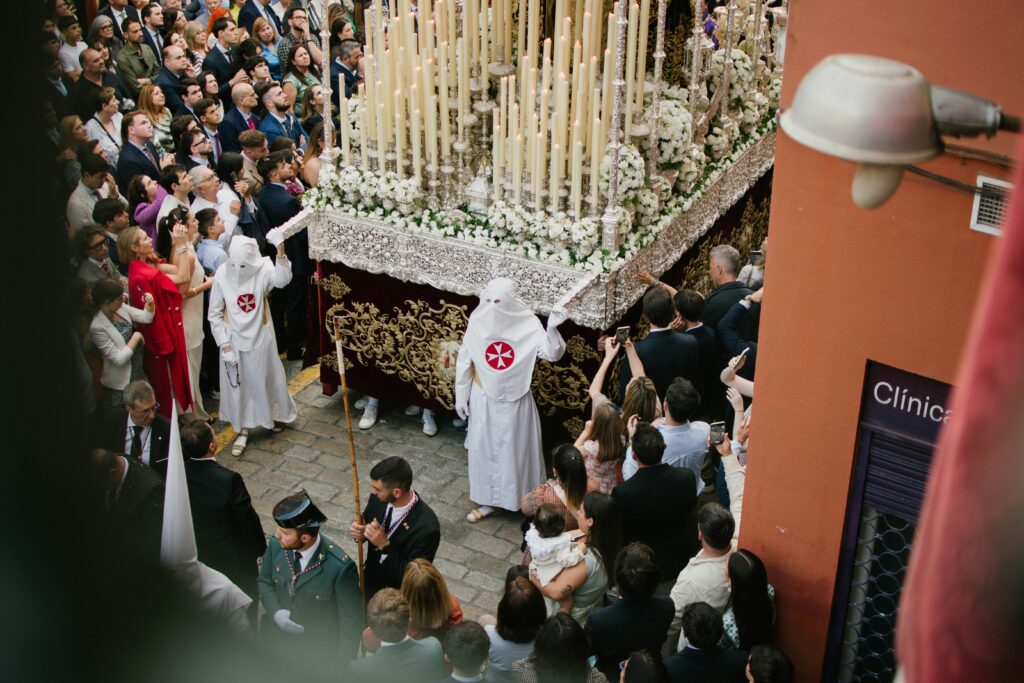
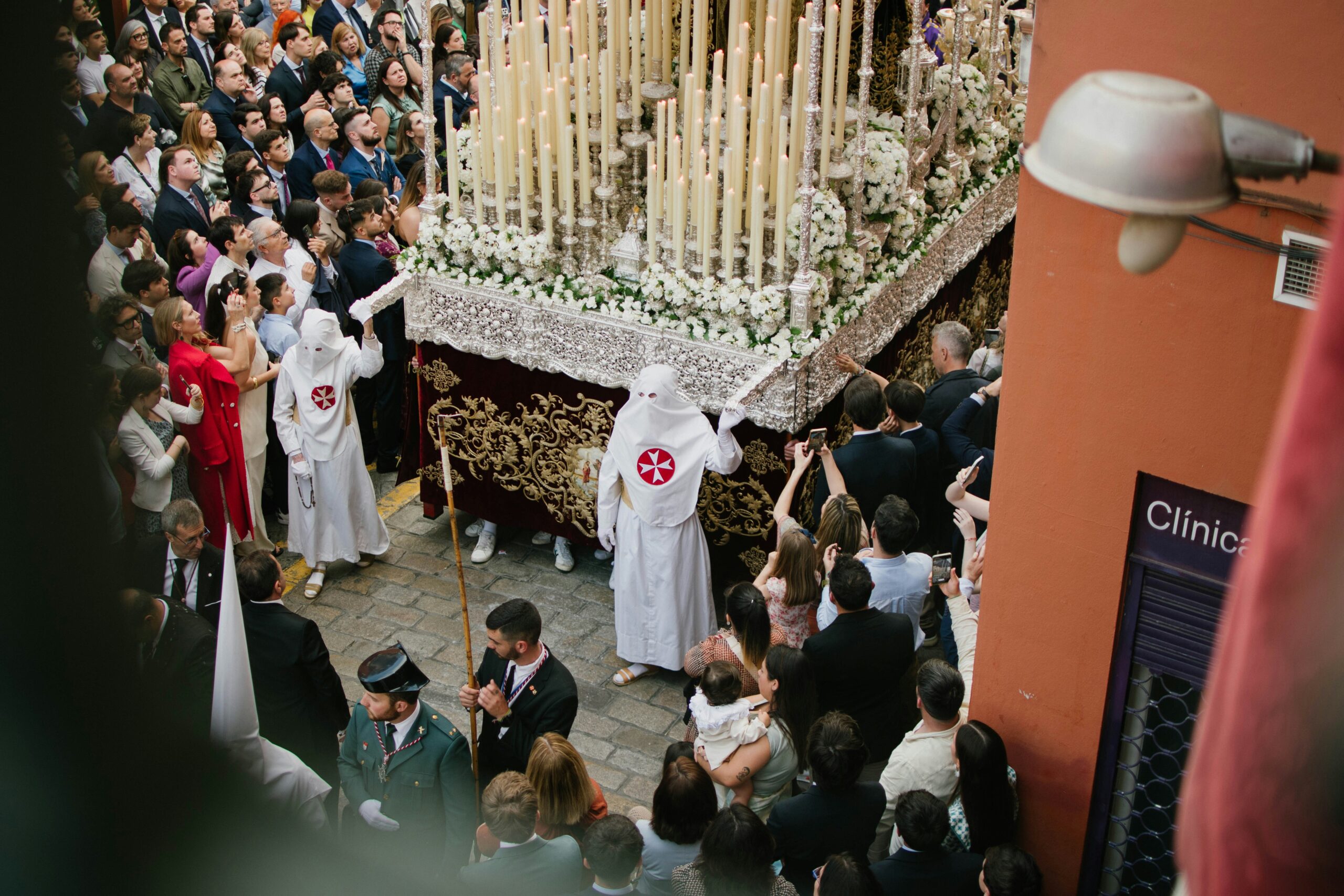
Seville’s Semana Santa stands apart from other Spanish Easter celebrations for a few reasons. The sheer scale is one thing. Over 60 different hermandades (brotherhoods) take to the streets, each with their own centuries-old history, distinct colors, and specific religious imagery. These are not professional performers. The people carrying the massive paso floats, called costaleros, are volunteers from the neighborhood. That local participation creates a palpable, grounded intensity you do not get in cities with more choreographed, tourist-oriented processions.
The floats themselves are extraordinary. Each paso is an ornate, gilded structure that can weigh over a ton, carrying lifelike sculptures of Christ or the Virgin Mary draped in velvet and gold. As they sway through the narrow streets, the crowd falls silent. Then you hear a saeta—a spontaneous, flamenco-style lament sung from a balcony or street corner. It is raw and emotional, not rehearsed. Compared to the solemn, restrained processions in Valladolid or the more festive, beachside atmosphere in Málaga, Seville strikes a unique balance between dramatic spectacle and deep, local piety. That combination is what makes it unlike anywhere else.
When Exactly Does Semana Santa Take Place in Seville?
Semana Santa follows the lunar calendar, so the dates shift every year. It always runs from Domingo de Ramos (Palm Sunday) through to Domingo de Resurrección (Easter Sunday). For most visitors, the most important thing is understanding how the week unfolds.
The first few days—Sunday through Tuesday—are relatively calm. The processions are shorter and the crowds are manageable. Wednesday picks up momentum. Then comes Thursday night, which bleeds into the early hours of Good Friday. This is La Madrugada, the single most intense period of the entire week. If you can only be in Seville for one night, this is it. The week wraps up with quieter processions on Saturday and a joyful, triumphant parade on Sunday morning.
You must check the official calendar for your travel year before you book anything. The exact schedule determines which processions you can see and how you plan your days.
Understanding the Key Processions and Their Routes
Not all processions are created equal. If you only have a few days, focus on these:
- La Campana (Tuesday evening): This is a good introduction. The procession from the Church of la Campana is manageable in length and offers a classic experience without the Madrugada crowds. Best viewed near the Plaza de la Campana.
- El Cachorro (Wednesday night): The brotherhood from Triana brings out one of the most famous crucifixes in the city. The atmosphere in the Triana neighborhood is especially heartfelt. Watch from the Calle San Jacinto area.
- La Macarena (Madrugada): This is a must-see. The Virgin of La Macarena is the emotional center of the night. Her paso is carried through the neighborhood of the same name. The best strategy is to claim a spot near Calle San Luis early—arrive by 11 PM.
- El Gran Poder (Madrugada): Known for its austere, powerful Christ figure. It follows a route through the center. The area around the Church of San Lorenzo is less crowded than the cathedral zone.
- La Esperanza de Triana (Saturday): The Triana neighborhood goes all out. The atmosphere is intense but less overwhelming than the Madrugada. Good for a slightly calmer viewing experience.
- Resurrección (Sunday morning): The celebratory parade. Less somber, more colorful and a nice way to end the week if you are still in town.
Routes typically start at the home church, wind through neighborhood streets, converge on the Carrera Oficial near the Cathedral, and then return the same way hours later. The return leg is often the most emotional because the brotherhoods are tired, the crowd is smaller, and the atmosphere is more intimate. Travelers who want to keep track of the route easily may find a foldable city map helpful for navigating the narrow streets.

How to Choose the Right Viewing Spot: Street Level vs. Sillas en la Carrera
You have two main options for watching the processions, and each comes with clear tradeoffs.
Street Level (Free)
Standing along the route is free, flexible, and gives you a more authentic, up-close experience. You can move between locations, find a bar with a window seat, or change your mind if a procession is delayed. The downside is the crowds. You will be standing for hours, often packed shoulder to shoulder. If you are short or have mobility issues, you may not see much. Families with young children often struggle here.
Sillas y Graderías (Paid Seats)
The official seating on the Carrera Oficial (the designated stretch from Plaza de la Campana to the Cathedral) is the prime spot for guaranteed visibility. You can book a silla (individual chair) or a gradería (a tiered platform). Prices vary dramatically depending on the day and location. Madrugada seats are the most expensive and sell out months in advance. The benefit is simple: you sit down, you see everything, and you are in the heart of the action. The downside is you are locked into one spot for hours. If the procession is heavily delayed—which happens often—you cannot go grab a coffee. Pre-booking via a reputable tour operator is the safest bet for popular nights.
For most first-timers, a hybrid approach works best: book seats for one major procession (like La Macarena on Madrugada) and watch the rest from street level.
What to Wear and What to Bring: A Practical Checklist
Comfort is not optional here. You will be on your feet for hours, often in unpredictable weather.
- Walking shoes: Breaking in a new pair of leather boots before this trip is a mistake. Bring shoes you have worn before. Cushioned insoles help. For longer waits, well-cushioned walking shoes can make a considerable difference.
- Layers: March and April in Seville can swing from 10°C (50°F) at night to 25°C (77°F) in the afternoon. A light jacket, a scarf, and a sweater give you flexibility.
- Portable charger: You will use your phone for maps, schedule apps, and photos. A 10,000 mAh battery pack is a lifesaver.
- Water bottle: Vendors sell water, but prices spike during big processions. Bringing your own saves money and time.
- Small backpack: A cross-body bag or small daypack keeps your hands free. Avoid large backpacks that take up space in crowded areas.
- Rain gear: A thin poncho is better than an umbrella, which can block views in tight spaces.
Leave valuables in the hotel safe. Pickpockets operate during big events.
Common Mistakes First-Time Visitors Make (and How to Avoid Them)
-
Arriving too late for a good spot. For major processions, claiming your spot two hours early is normal. For La Madrugada, three to four hours is not excessive.
-
Trying to see every procession in one day. That is physically impossible. Pick two or three max. The processions move slowly and can overlap.
-
Underestimating crowd sizes. Seville’s old town has narrow streets with limited capacity. Some zones become impassable. Do not plan to cross the city during peak hours.
-
Not booking accommodation early. Hotels sell out six months in advance. If you wait until March, you will pay triple or end up in a distant suburb.
-
Confusing the starting point with the return point. A procession leaves its church at 7 PM but may not return until 2 AM. If you want to see the return, check the schedule carefully.
-
Forgetting about street closures. The city center becomes a pedestrian zone. Taxis and rideshares cannot enter. You will walk everywhere.
-
Not reserving meals. Restaurants near the routes are packed. Book dinner for after the procession ends, or eat a large lunch and snack during the event.
Booking Accommodation and Staying on Budget
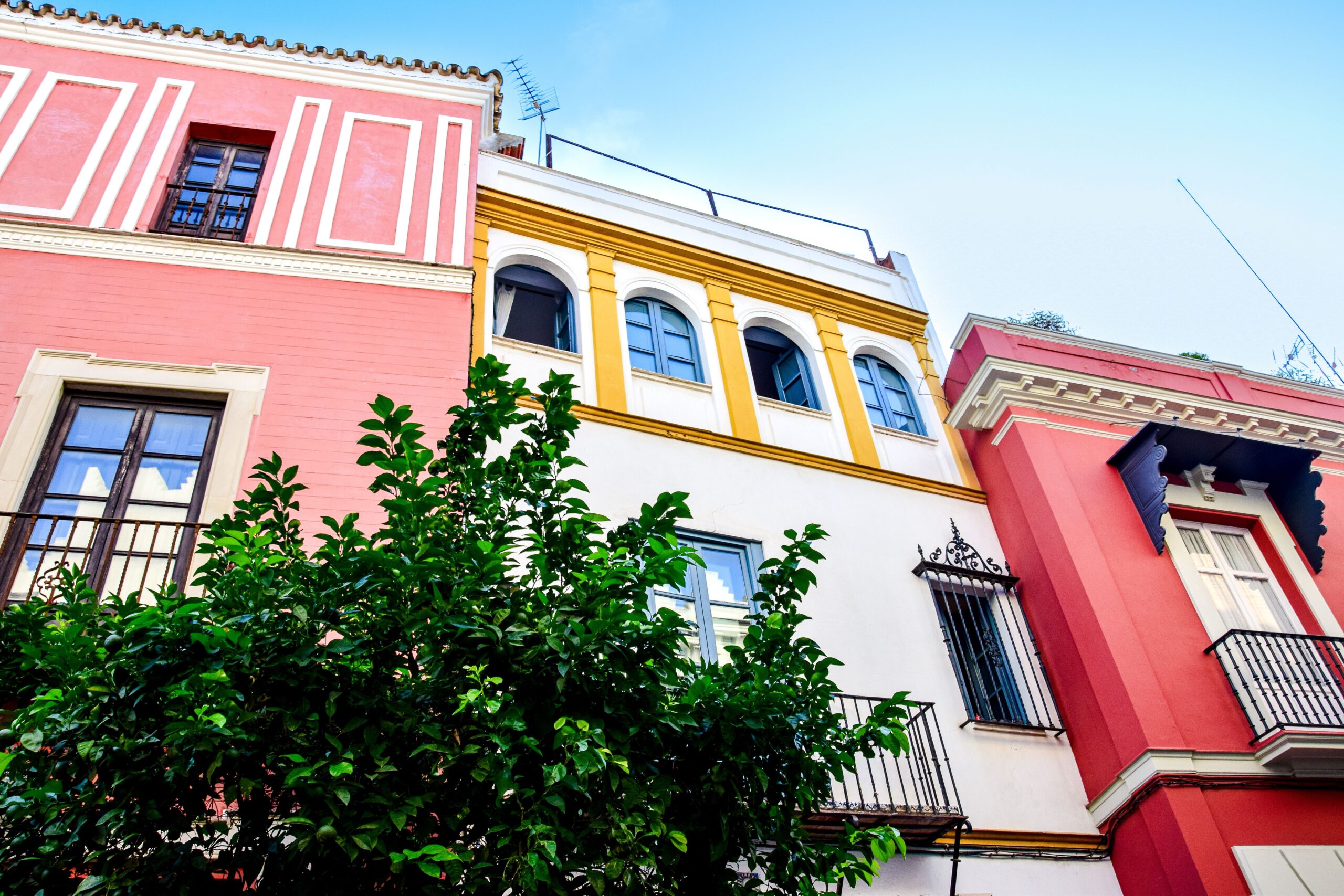
Accommodation is the single biggest expense during Semana Santa. If you want to stay in the center, book by October or November of the previous year. The Santa Cruz neighborhood (the old Jewish quarter) is atmospheric but noisy and expensive. El Centro puts you right on the procession routes but is crowded and loud. Triana offers a more local feel, better tapas bars, and slightly lower prices, though the walk over the bridge can be tiring.
For budget-conscious travelers, staying in a neighborhood like Los Remedios or Nervión near a Metro station is a smart tradeoff. The Metro runs extended hours during Semana Santa, and you can reach the center in 10–15 minutes for a fraction of the central hotel cost. Avoid booking an apartment in a building that is directly on a procession route—you will not sleep. If you want peace, look for a room with interior windows or a courtyard view rather than a street-facing balcony.

Navigating Food, Drink, and Bathroom Breaks During the Long Hours
This is the part no one mentions. You will be stuck in one spot for four to eight hours with limited access to bathrooms. Restaurants and bars near the routes often close their bathrooms to non-customers. Public restrooms are almost nonexistent.
Your strategy: eat a heavy breakfast around 10 AM. Have a large lunch around 2 PM. Then grab a snack and a coffee before you head to your viewing spot. Bring a small bag of nuts or dried fruit. After the procession passes, you can duck into a bar for a drink and use their bathroom. Alternatively, scout a nearby hotel lobby—some will let you use their facilities if you ask politely.
Alcohol is a tricky choice. Drinking beer or wine during the long wait is common, but it will catch up with you. Stick to water and pace yourself.
The Madrugada: Seville’s Most Intense Night Explained
The Madrugada is the night between Holy Thursday and Good Friday, and it is the defining experience of Semana Santa in Seville. The processions start around midnight and run until dawn. The energy builds as the night goes on.
Three processions dominate the night. First, El Silencio leaves at midnight from the Church of San Lorenzo. As its name suggests, the entire procession is conducted in complete silence. No music, no talking, just the sound of footsteps and the creaking of the float. It is unsettling and powerful.
Around 1 AM, El Gran Poder follows a similar route. Then La Macarena comes through, often after 3 AM. The moment the Virgin of La Macarena appears, the crowd erupts. People cry, they sing saetas, they throw flowers. It is the emotional peak of the entire week.
To survive the Madrugada, dress warmly (it gets cold), bring that portable charger, and accept that you will be exhausted. Plan to nap the next afternoon. Do not try to see everything—pick one or two processions and commit to them. A compact power bank is a practical companion for staying connected through the long hours.
Photography Etiquette: Respecting the Tradition While Capturing the Moment
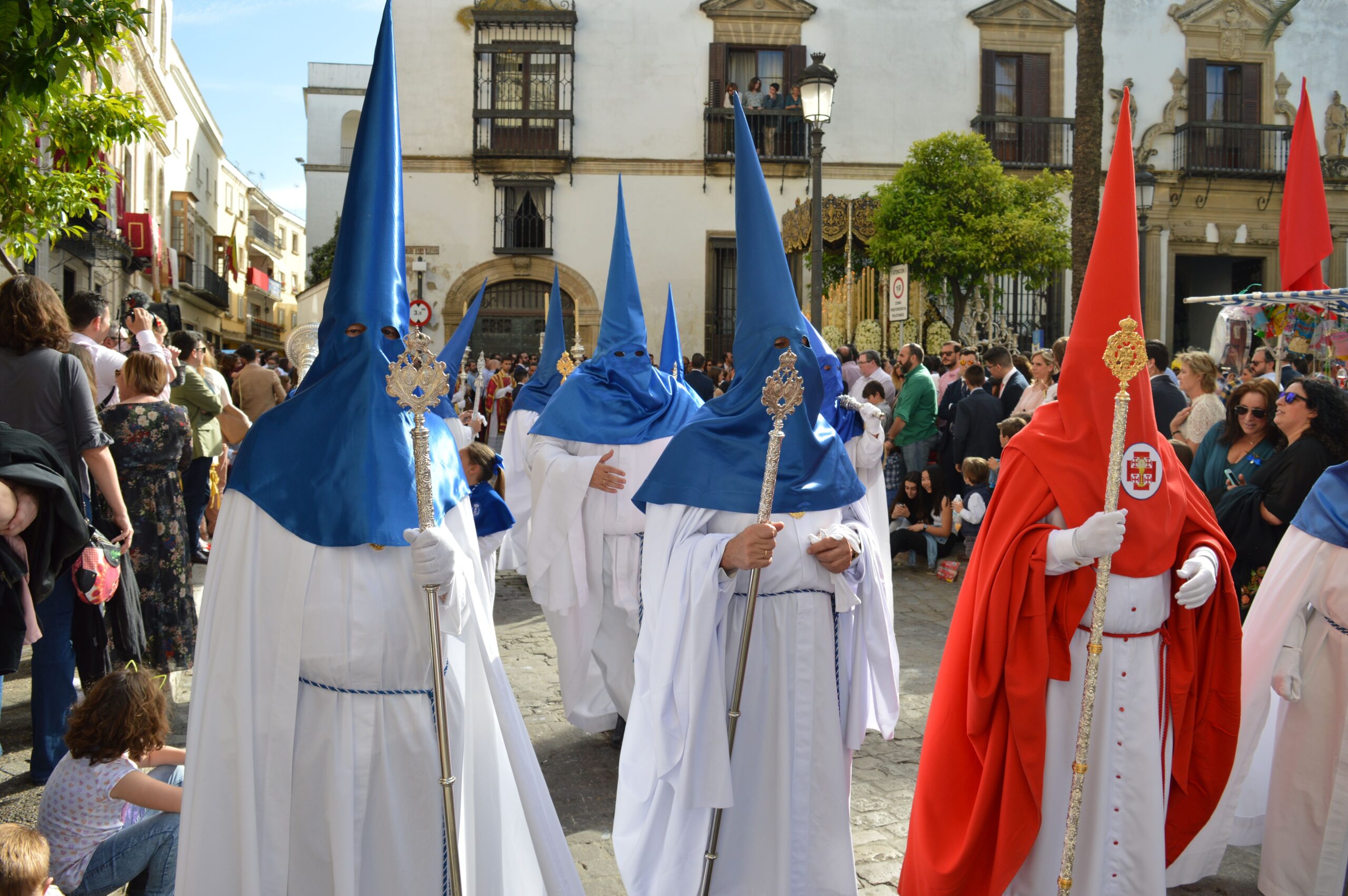
Photography is allowed in most areas, but there are unspoken rules. Never use flash. The nazarenos (the penitents in conical hoods) wear masks to maintain anonymity during their penance. Flash photography violates that. It also ruins the solemn atmosphere.
Smartphones are fine for casual shots. For better results, bring a compact camera with good low-light performance. A small tripod or a gorillapod helps with stability, but do not set up in the middle of the crowd. Stand at the edge or against a wall. Avoid blocking the view of people behind you.
Do not photograph nazarenos faces intentionally. Some will turn away or cover their faces. Respect that. The processions are religious acts, not tourist attractions. Your best photos will come from the wide shots of the floats or the candid moments of crowd reactions. Those images capture the feeling better than any close-up of a costalero’s face.
Comparing Semana Santa in Seville vs. Other Cities: Is It Right for You?
If you are still deciding where to experience Semana Santa, here is a quick comparison.
- Seville: Maximum spectacle, maximum crowd, maximum emotional intensity. Best for people who want the full experience and do not mind the chaos.
- Valladolid: More restrained, more artistic. The floats are considered some of the finest in Spain. The crowds are smaller. Better for art lovers and photographers.
- Cuenca: Famous for the dramatic Tamboradas (drumming processions) that create a thunderous, almost hypnotic atmosphere. Unique but loud.
- Málaga: A coastal version. The processions are grand but the atmosphere is less intense, more festive. Easier to combine with a beach vacation. Good for first-timers.
- Granada: A strong local tradition with a smaller tourist presence. More affordable but the processions are less polished.
If your priority is the purest, most immersive Semana Santa, Seville is the answer. If you want a quieter, more intimate experience, look elsewhere.
Final Tips for an Enjoyable Semana Santa Experience
- Book your accommodation at least six months in advance. Prices double as the date approaches.
- Plan your route the day before. Walk the streets during the afternoon to see where barriers are set up.
- Dress for comfort, not style. No one is judging your outfit. Your feet will thank you.
- Pace yourself. You do not need to see everything. Two or three well-chosen processions will give you a richer experience than running from one to another.
- Embrace the delays. Processions are often late—sometimes by hours. That is part of the tradition. Bring patience and a good book.
For the most up-to-date schedule, check the official Semana Santa calendar for your travel year. Knowing the exact start times and routes will save you from wasted time and missed opportunities. Enjoy the experience. It is unlike anything else in the world.