Introduction
Planning a visit to the Acropolis of Athens sounds simple enough until you’re actually there. You buy a ticket, walk up some ancient steps, and see the Parthenon. But modern ticketing, crowds that overwhelm the site by mid-morning, and the relentless Mediterranean sun mean a little practical know-how goes a long way. This acropolis athens guide is for first-time visitors, history buffs, and anyone who wants to see one of the world’s most famous ancient citadels without unnecessary headaches. We’ll cover when to go, how to get tickets, what to pack, and what you’ll actually see up there. The goal is simple: help you have a smooth, memorable, and informed visit.

When to Visit the Acropolis: Best Times and Seasons
Timing shapes your experience. The best months are April, May, September, and October. The weather is warm but not brutal, and crowds are thinner than in peak summer. June and July are manageable if you go early, but August is the worst—heat combined with cruise ship day-trippers makes the site feel like a theme park. If August is your only option, plan carefully.
Time of day matters more than the season. The site opens at 8:00 AM daily, and you want to be at the gate before 8:15 AM. That first hour is genuinely quiet, with the best light for photos and a calm atmosphere. By 10:00 AM, it gets crowded and stays that way until late afternoon. The other good window is the last two hours before closing—the light is nice and the temperature drops, but you might feel rushed. Midday between 12:00 PM and 3:00 PM is tough since there’s almost no shade on the rocky plateau.
Ticket availability ties into timing too. If you want a specific entry time for a skip-the-line tour, book ahead. Walk-up tickets exist, but during peak season, the daily capacity limit can sell out. Don’t gamble on last-minute availability. Pick your season, pick your time slot, and book accordingly.
Ticket Types and How to Buy Them
There are two main ticket options. The single-entry ticket covers only the Acropolis itself. As of 2024, it costs €20 during peak season (April 1 to October 31) and €10 in winter. The better deal is the combo ticket at €30, valid for five days. It covers the Acropolis plus six other sites: the Ancient Agora, the Roman Agora, the Temple of Olympian Zeus, the Theatre of Dionysus, the Kerameikos, and the Library of Hadrian. If you’re spending at least two days exploring Athens’ ancient sites, the combo ticket pays for itself.
Buying tickets in advance isn’t optional—it’s the most important step for a stress-free visit. The official website (Hellenic Ministry of Culture’s e-ticketing platform) sells both types. Third-party resellers offer tickets too, sometimes bundled with audio guides or small group tours. The official site is straightforward and transparent, while third-party sellers offer convenience and customer service if something goes wrong. Skip-the-line tours with a guide and reserved entry time are sold through third-party operators—worth the premium if you want context without fighting crowds. Travelers who prefer a printed guide for quick reference might want to keep a compact travel guidebook in their bag.
A common mistake is buying a combo ticket and not realizing it includes the Acropolis. Another is losing the ticket—it’s a paper voucher you print or keep on your phone. Keep it accessible because you’ll need it at each site. Also, the Acropolis has a daily limit of about 20,000 visitors. During high season, that cap is reached by late morning, so advance purchase solves this.
Getting to the Acropolis: Entry Gates and Transport Options
There are two main entrances. The primary one is the West Side Gate, at the end of Dionysiou Areopagitou Street near the Acropolis Museum. Most visitors use this route, which leads to the Propylaea, the monumental gateway. The secondary entrance is the South Slope entrance—less crowded and better if you want to skip some of the main queue. It leads to the Theatre of Dionysus and the Sanctuary of Asclepius. It’s a longer walk to the Parthenon, but the path is gentler and more scenic.
If you have a stroller or mobility concerns, the South Slope entrance is the better choice. The West Side gate has a long uphill climb with uneven stone steps, while the South Slope path is winding but less steep in parts. For solo travelers or couples, either works, but the West Side is the most direct route to the main structures.
Getting to the site is easy. The Acropoli metro station (Line 2, red line) drops you a five-minute walk from the main entrance. Monastiraki station is also close—about ten minutes. From the airport, take the metro directly to Monastiraki or Syntagma Square and transfer. Taxis and ride-sharing services are available, but traffic in central Athens is unpredictable, especially during peak hours. Parking is very limited and expensive, so use public transport if you can.
What to Bring and What to Leave Behind
Packing for the Acropolis is about functionality. The most important thing is comfortable walking shoes with good grip. The marble steps and pathways are extremely slippery, especially when dry. High heels, flip-flops, and flat-soled sandals are accidents waiting to happen. Wear sturdy sneakers or hiking sandals. A simple way to reduce the risk of slipping is to choose footwear with a reliable tread pattern.
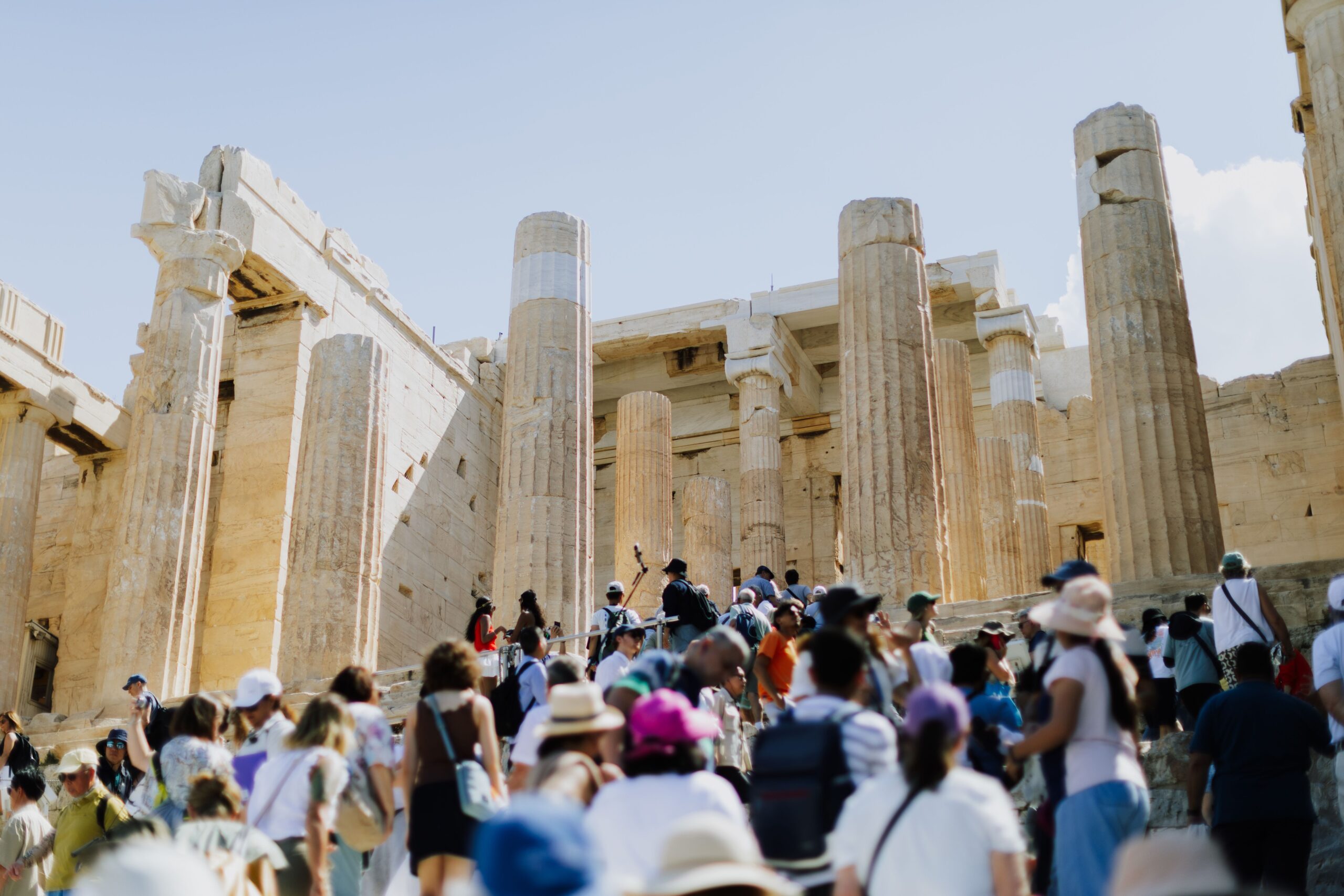
Sun protection is non-negotiable. A wide-brimmed hat, high-SPF sunscreen, and sunglasses are essential. There’s no shade on the plateau, and the sun reflects off the white marble. A refillable water bottle is highly recommended. Water fountains near the main entrance and near the top exist, but they’re not abundant. Staying hydrated makes a noticeable difference, and a lightweight backpack is ideal for carrying these items.
Don’t bring large bags. The site has a strict size limit—anything larger than a standard backpack (roughly 15 liters) must go in lockers near the entrance. Lockers are available but limited. Drones, tripods, and professional photography equipment are prohibited without special permits. Leave the selfie stick at home; it’s not allowed and will be confiscated. Also, avoid carrying too much cash or valuables. The site is generally safe, but pickpocketing can happen in crowded areas. Keep your wallet and phone in a zipped pocket or bag.

A Step-by-Step Walk Through the Acropolis
Plan for 1.5 to 2 hours on the site itself, not including the museum. Here’s a logical route covering the main structures in order.
Start at the Propylaea. This monumental gateway is your first taste of ancient grandeur. Built in the 5th century BC, it was designed to impress visitors coming from the city below. The central passageway was for processions, while smaller side gates were for everyday use. Notice the Doric columns outside and the Ionic columns inside—a deliberate architectural blend.
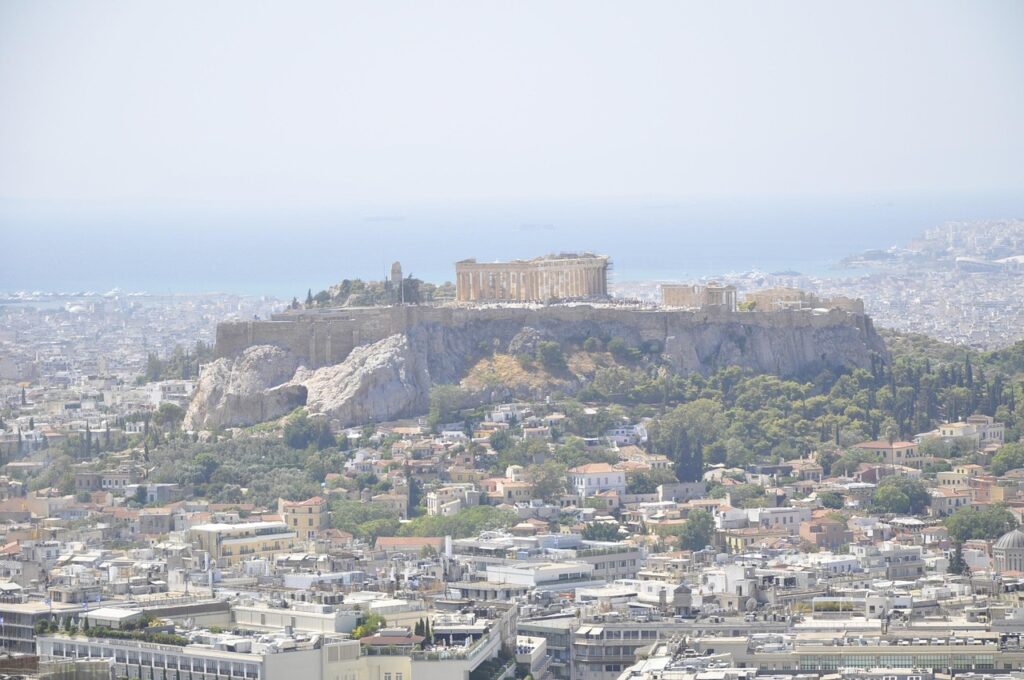
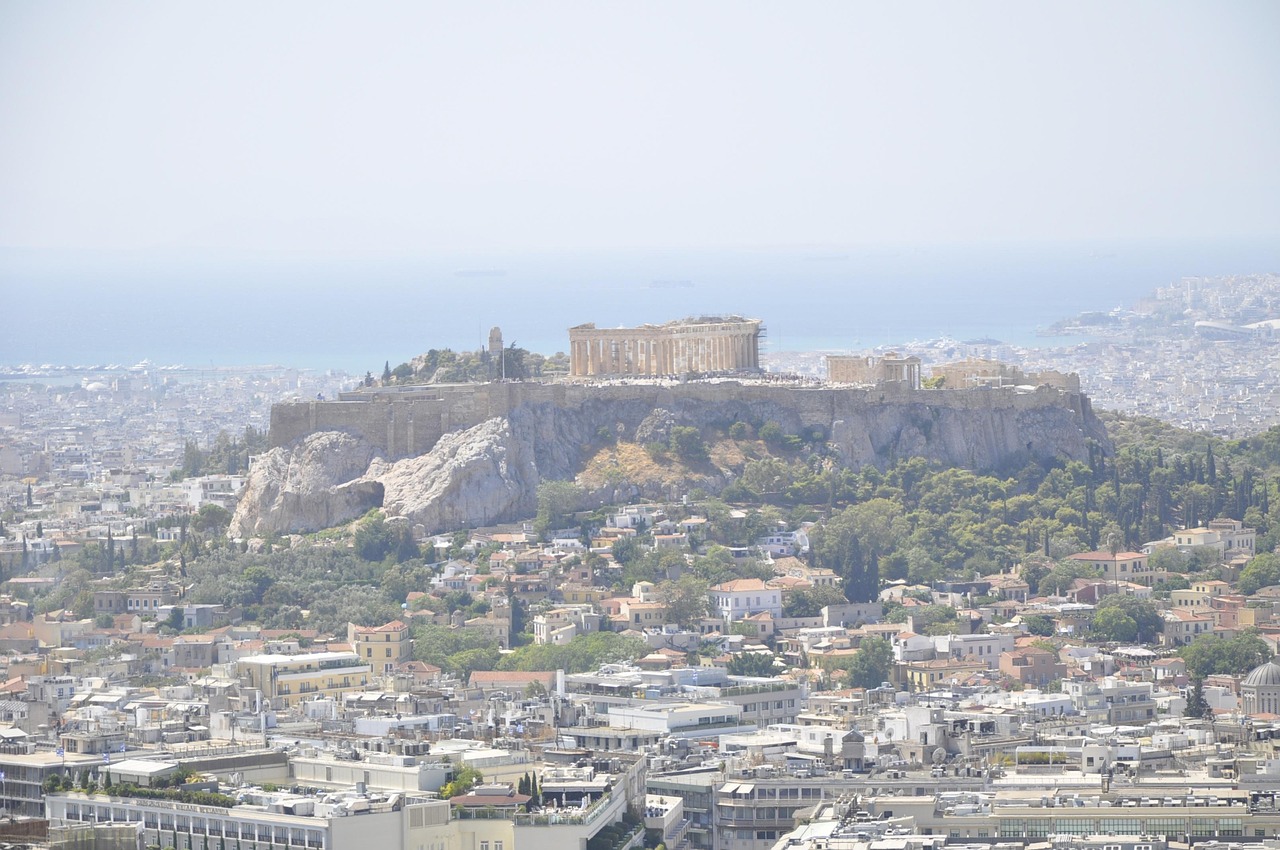
Just past the Propylaea, to your right, is the Temple of Athena Nike. This small, elegant temple is worth a quick stop. It was built to honor Athena as the bringer of victory, and from here you get a good view of the surrounding city. Continue up the main path. You’ll soon see the Parthenon rising ahead, dominating the landscape. Spend about 20 minutes walking around the perimeter. Don’t expect to enter the temple itself—it’s fenced off. The best views are from the east and west ends. Look for the scaffolding; restoration work is ongoing and has been for decades. Some parts are covered, some aren’t. The Parthenon is enormous and iconic, so don’t rush past it.
Next, head to the Erechtheion on the north side. This temple is known for the Caryatids—the six female statues serving as columns on its south porch. These are replicas; the originals are in the Acropolis Museum. The Erechtheion is dedicated to both Athena and Poseidon. The stone-pine tree nearby supposedly marks where Athena planted the first olive tree. Take a moment to appreciate the building’s asymmetry—it was built on uneven ground and incorporates multiple shrines.
Finally, make your way to the Old Temple of Athena. Little remains, but its foundations are visible. It was destroyed by the Persians in 480 BC and never fully rebuilt. After that, circle back to the main path and head toward the exit. Allow 10-15 minutes per major structure. The rest of your time will be spent walking and taking photos.
Parthenon vs. Other Ancient Greek Temples: What Makes It Unique
The Parthenon isn’t just the biggest or best-preserved Greek temple. What makes it unique is its architectural refinements. The builders used subtle optical illusions to make the structure appear perfectly straight and harmonious. The columns bulge slightly in the middle (entasis) to avoid looking concave from a distance. The base curves upward in the center to counteract the illusion of sagging. The columns tilt inward slightly. These refinements are invisible to the casual observer, but they’re why the Parthenon feels so balanced and graceful.
Compare this to the Temple of Hephaestus in the Ancient Agora. That temple is better preserved but much simpler in design. It lacks the Parthenon’s optical refinements. The Temple of Olympian Zeus in Athens is enormous—taller than the Parthenon—but its columns are bulkier and less refined. The Parthenon represents the peak of classical Greek architecture. It was built over nine years (447-438 BC) using funds from the Delian League, designed to showcase Athenian power and piety. Understanding this context makes the walk around it far more rewarding than just snapping a photo.
Common Mistakes First-Time Visitors Make
Even with good intentions, mistakes happen. Here are ones to avoid.
Not buying tickets in advance is the most common error. You’ll waste 30-60 minutes in line, only to find a sold-out sign at the window. Easily preventable. Mistake two: forgetting water. The heat and climb will dehydrate you fast. There’s no shade, and water fountains are limited. Bring at least one liter per person. Three: arriving too late. If you show up at 11:00 AM, you miss the best light, face the largest crowds, and battle the midday sun. Aim for 8:00 AM or after 4:00 PM. Four: ignoring the Acropolis Museum. Many visitors rush past it, thinking it’s optional, but it’s not. The museum holds the actual artifacts and sculptures removed from the site for preservation and adds immense context. Five: spending too little time at the site. A rushed 45-minute walk-through is unsatisfying. Plan for at least 1.5 hours, and you’ll appreciate the details more.
Should You Join a Guided Tour or Go Solo?
This depends on your travel style. A guided tour offers real advantages. A live guide provides context, history, and anecdotes that a sign can’t match. They point out details you’d miss and handle logistics. Group tours typically last 2-3 hours and include skip-the-line access, making them worth the investment if you dislike uncertainty. Private tours are more expensive but offer personalized attention and flexibility. Audio guides are a budget-friendly alternative. The official audio guide is decent, but preloaded apps like Rick Steves or VoiceMap are often better and cheaper.
Going solo is fine if you’ve done your research. You move at your own pace, spend extra time at favorite spots, and skip what doesn’t interest you. The downside is missing the depth a guide provides. For history enthusiasts, a guided tour is usually worth the cost. For casual visitors on a tight budget, solo works. The key is being honest about what you want: context or freedom. No wrong choice, but pick one and commit.
Acropolis Museum: Visiting Before or After
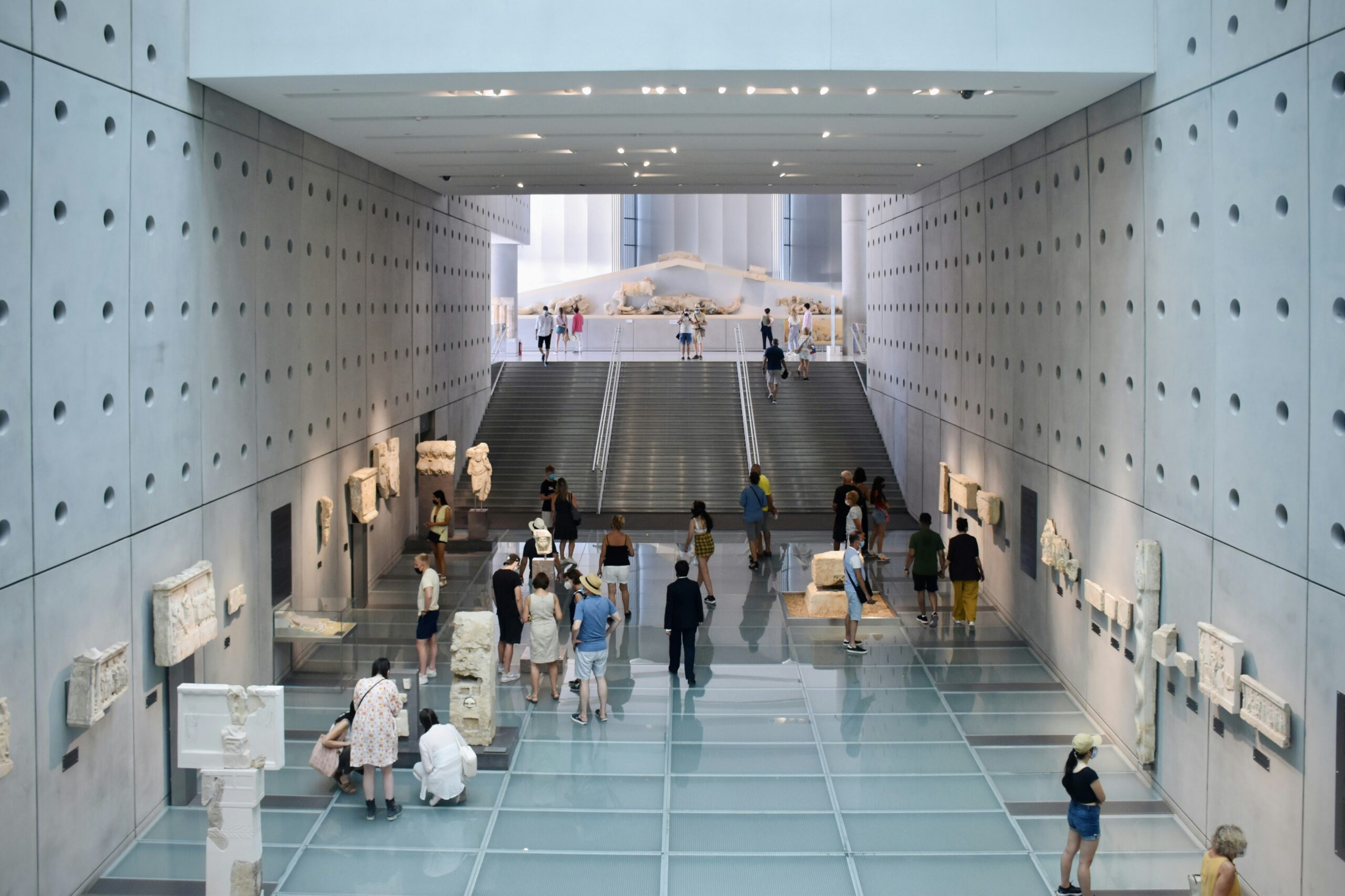
The Acropolis Museum sits right at the base of the hill, separated by a small walkway. It’s a modern building with glass floors revealing ongoing excavations beneath. The museum houses the Parthenon sculptures, the Caryatids, and many other artifacts found on the site. It’s well-organized and easy to navigate in about 1.5 hours.
The question of whether to visit before or after seeing the Acropolis is worth considering. Visit the museum first, and you get context. You see the original sculptures, understand the layout, and learn the history. When you walk up the hill, everything makes more sense. Visit the museum after, and you reinforce what you just saw. The physical memory of the site makes the artifacts feel more alive. There’s no objectively right answer. But if you want to avoid crowds at the top, visit the museum in the late morning after an early Acropolis visit. Or reverse it: museum early, then late afternoon. Both work. The museum is also a good fallback if the site is too crowded when you arrive—you can wait out the peak hour indoors with air conditioning.
Nearby Attractions to Combine with Your Acropolis Visit
If you have a half-day to spend, the Acropolis area offers several nearby sites worth your time. The Ancient Agora is a 10-minute walk downhill from the main entrance. It was the marketplace and civic center of ancient Athens. The Temple of Hephaestus, inside the Agora, is the best-preserved ancient Greek temple in the world. It’s included in the combo ticket. The Roman Agora is another 5-minute walk from the Ancient Agora. Smaller but interesting, with the well-known Tower of the Winds. The Temple of Olympian Zeus is a short walk past the Acropolis Museum. Its remaining columns are massive and impressive, though the site isn’t as rich as others. The Plaka neighborhood, at the base of the Acropolis, is perfect for a post-visit lunch or coffee. Narrow streets, traditional houses, and plenty of restaurants. Use your combo ticket for the sites, but save Plaka for after you finish the Acropolis walk.

Frequently Asked Questions About Visiting the Acropolis
Is the Acropolis wheelchair accessible? Partially. The main path is mostly paved, but significant sections are steep and uneven. The West Side gate is very difficult for wheelchairs. The South Slope entrance is better but still challenging. There’s an elevator near the site, but it depends on availability and operational hours. Contact the site in advance for details.
How long does the visit take? 1.5 to 2 hours for the site alone. Add another 1.5 hours if you visit the Acropolis Museum. Plan for 3 hours total for a combined visit.
Are there restrooms? Yes. Public restrooms near the main entrance (at the Acropolis ticket office) and at the top near the Parthenon. They’re maintained but get crowded during peak times.
Can you bring a backpack? Yes, small backpacks are allowed. Larger bags (over 15 liters) must be stored in lockers at the entrance. The lockers are free but limited.
Is the Acropolis open every day? Yes, 365 days a year. Hours vary by season. Summer hours are typically 8:00 AM to 8:00 PM. Winter hours are shorter, often 8:00 AM to 5:00 PM. Check the official website for your exact dates.
Final Recommendations for a Smooth Visit
Four key takeaways for your Acropolis visit. First, buy tickets online in advance—single-entry or combo depending on your schedule. Second, go early (before 8:30 AM) or late (last two hours before closing) to avoid the worst crowds and catch the best light. Third, wear proper shoes and bring sun protection and water. This isn’t a walk in the park; it’s an exposed, uphill climb on ancient stone. Fourth, combine your visit with the Acropolis Museum. The two experiences together give you a complete understanding of the site. Use this guide as your checklist. The Acropolis is crowded, hot, and sometimes frustrating, but it’s also one of the most important cultural landmarks in the world. With a plan, it becomes a highlight of any trip to Athens rather than a logistical headache. Enjoy the walk.