Introduction
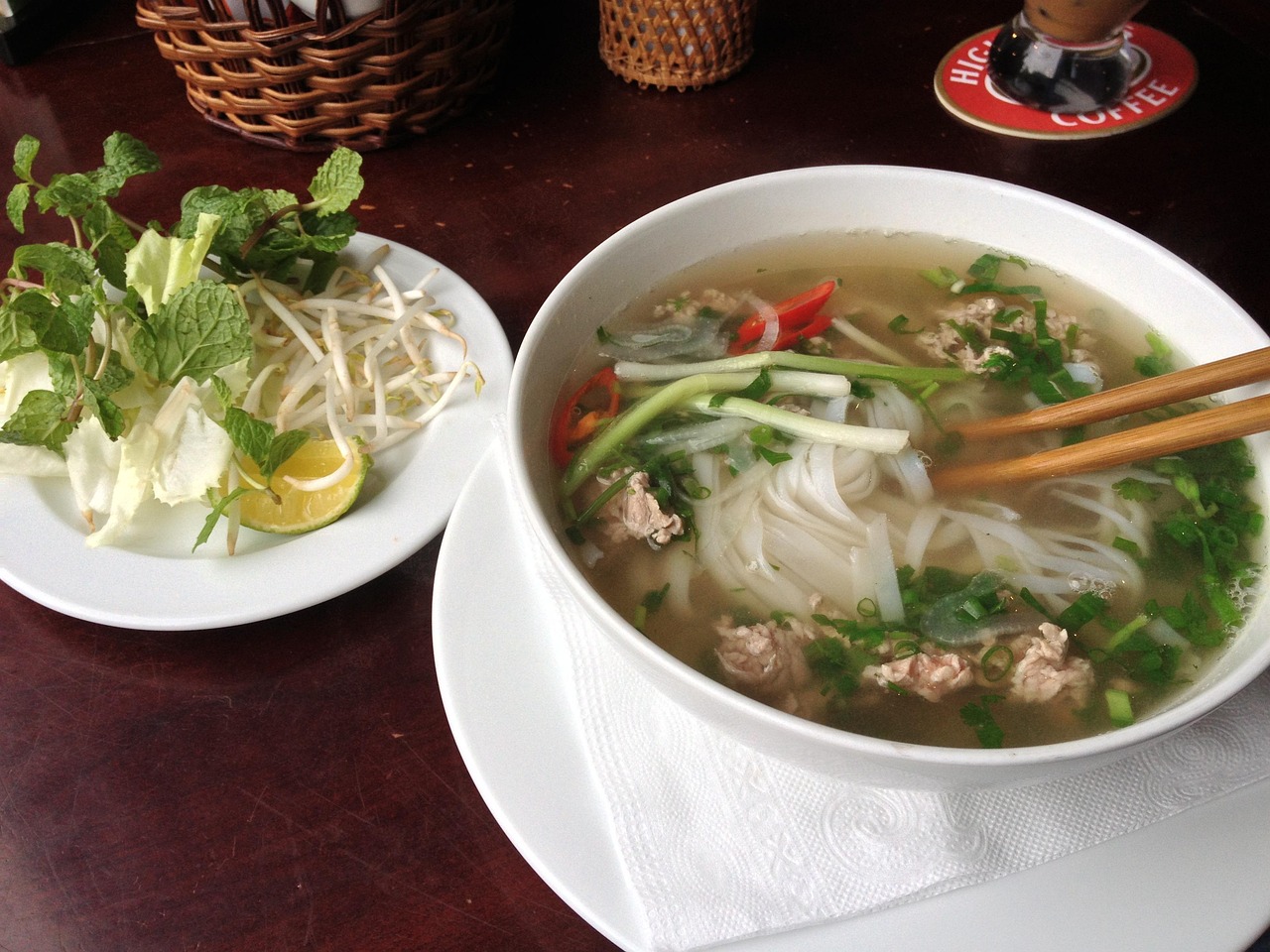
Vietnamese pho is often called the country’s national dish, and for good reason. It’s the breakfast that fuels a city, the late-night meal after a long day, and the comfort bowl that travelers cross oceans to taste. But not all pho is created equal, and ordering with confidence takes a bit of insider knowledge. This guide covers what you actually need to know: where the dish comes from, what separates a great bowl from a mediocre one, the real differences between Hanoi and Saigon styles, how to eat it properly, and where to find the best bowls in Vietnam. We’ll also cover making it at home if you’re ambitious. Everything here comes from eating countless bowls across the country and talking to cooks who’ve been doing this for decades. No fluff, just practical advice.

What Is Pho? Understanding Vietnam’s National Dish
Pho is a traditional Vietnamese soup built on four core elements: a deeply aromatic broth, flat rice noodles (banh pho), fresh herbs, and meat — typically beef or chicken. The broth is the soul. It starts with beef bones, charred onion, and ginger, then simmers for hours with star anise, cloves, cinnamon, and fish sauce. Rice noodles are soft and silky, added fresh to each bowl just before serving.
Pho originated in Northern Vietnam around the early 20th century, likely in Nam Dinh province and Hanoi. It started as a simple street food sold by mobile vendors, and it spread south after 1954, adapting along the way. Southern pho became sweeter, more herb-forward, and more generous with condiments.
Here’s the reality: a bowl of pho in a tourist-heavy area is rarely the same as what locals queue for down a narrow alley. This guide is for anyone who wants the real thing — whether you’re planning a trip or just want to understand what makes a bowl worth seeking out.
Key Ingredients: What Makes Pho Pho
Understanding the components helps you appreciate a good bowl — and replicate one at home.
The Broth
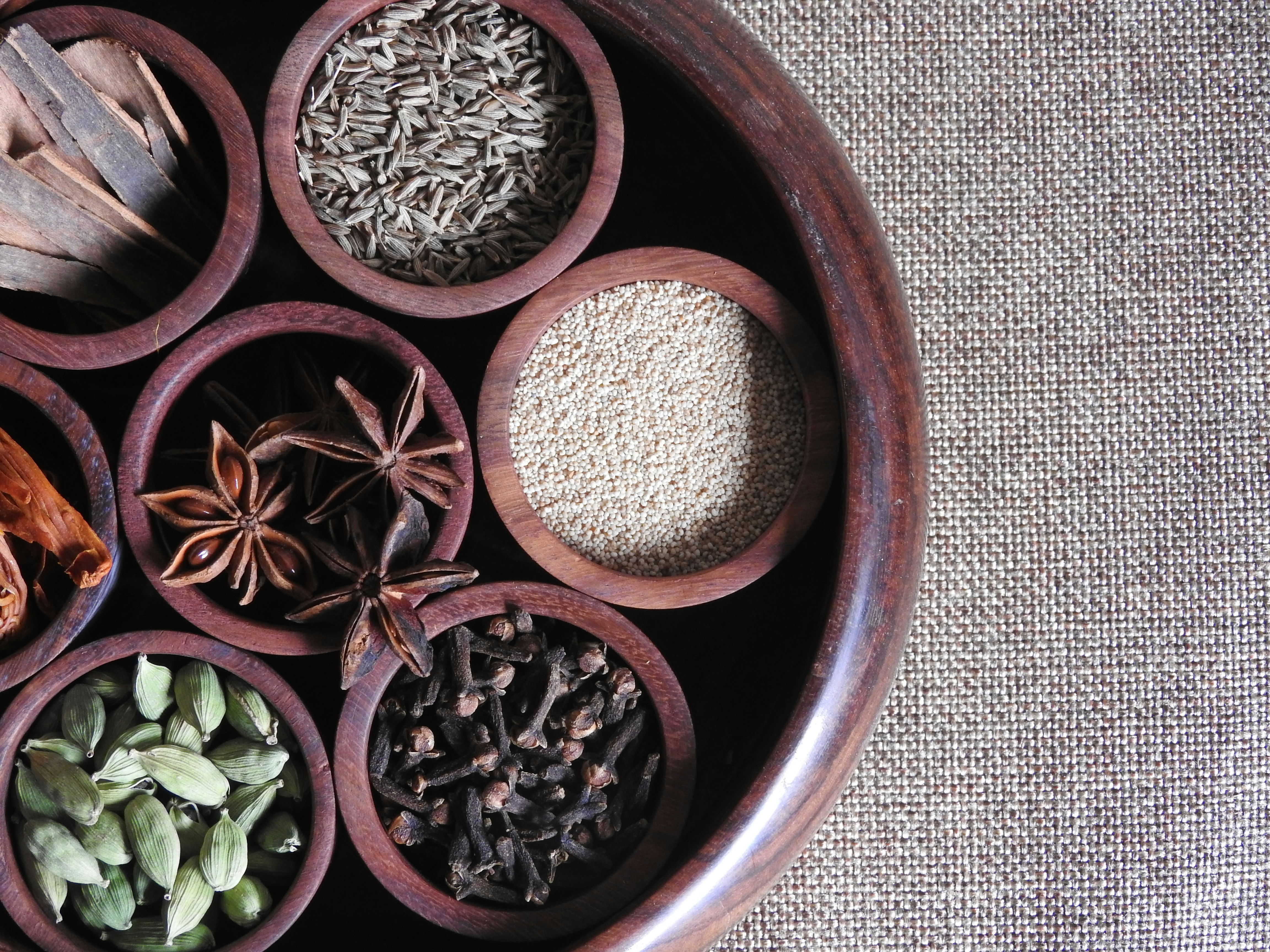
Broth is the hardest part. Beef bones (knuckle, leg, and oxtail) provide body and collagen. Charring onion and ginger under a broiler or open flame adds a smoky depth. Spices like star anise, cloves, cinnamon stick, and black cardamom are toasted before simmering. Fish sauce and rock sugar balance the savory and sweet. The broth simmers 6 to 10 hours. A clear broth comes from careful skimming — never boiling hard.
Pro tip: If you want a shortcut, look for quality pho spice packets. They won’t replace fresh, but they simplify the spice sourcing. A reliable pho spice packet can get you started.
The Noodles
Fresh banh pho are preferable. They’re wide, flat, and slightly chewy. Dried ones work but need careful soaking — overcook them and they turn mushy. Northern bowls tend to use slightly wider noodles than southern.
The Meat
Common beef cuts include brisket (tai), flank (chin), tendon (gan), and meatballs (bo vien). Rare slices of eye round (tai) are added raw and cook in the hot broth. Chicken pho (pho ga) uses whole chicken simmered with ginger and scallion.
The Garnish
A platter typically includes bean sprouts, Thai basil, sawtooth herb (ngo gai), lime wedges, and fresh chili. Hoisin sauce and sriracha are standard on southern tables but rarely seen in the north.
Northern vs Southern Pho: The Regional Divide
The difference isn’t minor. It reflects two distinct culinary philosophies.
| Characteristic | Northern Pho (Pho Bac) | Southern Pho (Pho Nam) |
|---|---|---|
| Broth clarity | Clear, less sweet | Slightly cloudier, sweeter |
| Noodle width | Wider, flatter | Medium-width |
| Herb garnish | Minimal (scallion, cilantro) | Abundant (basil, sawtooth, bean sprouts) |
| Condiments | Lime, chili, fish sauce only | Hoisin, sriracha, chili sauce |
| Typical meat | Beef brisket, flank | Beef brisket, tendon, meatballs |
Who prefers northern style: If you want the purest expression of beef and spice, start with a northern bowl. The broth is cleaner and the experience more minimalist.
Who prefers southern style: If you love a sweet, herbaceous, condiment-heavy bowl, southern pho is your match. It’s bolder and more forgiving for first-timers.
Beginner advice: Try both. They’re different dishes wearing the same name. You may find you prefer one, or you may love both for different moods.
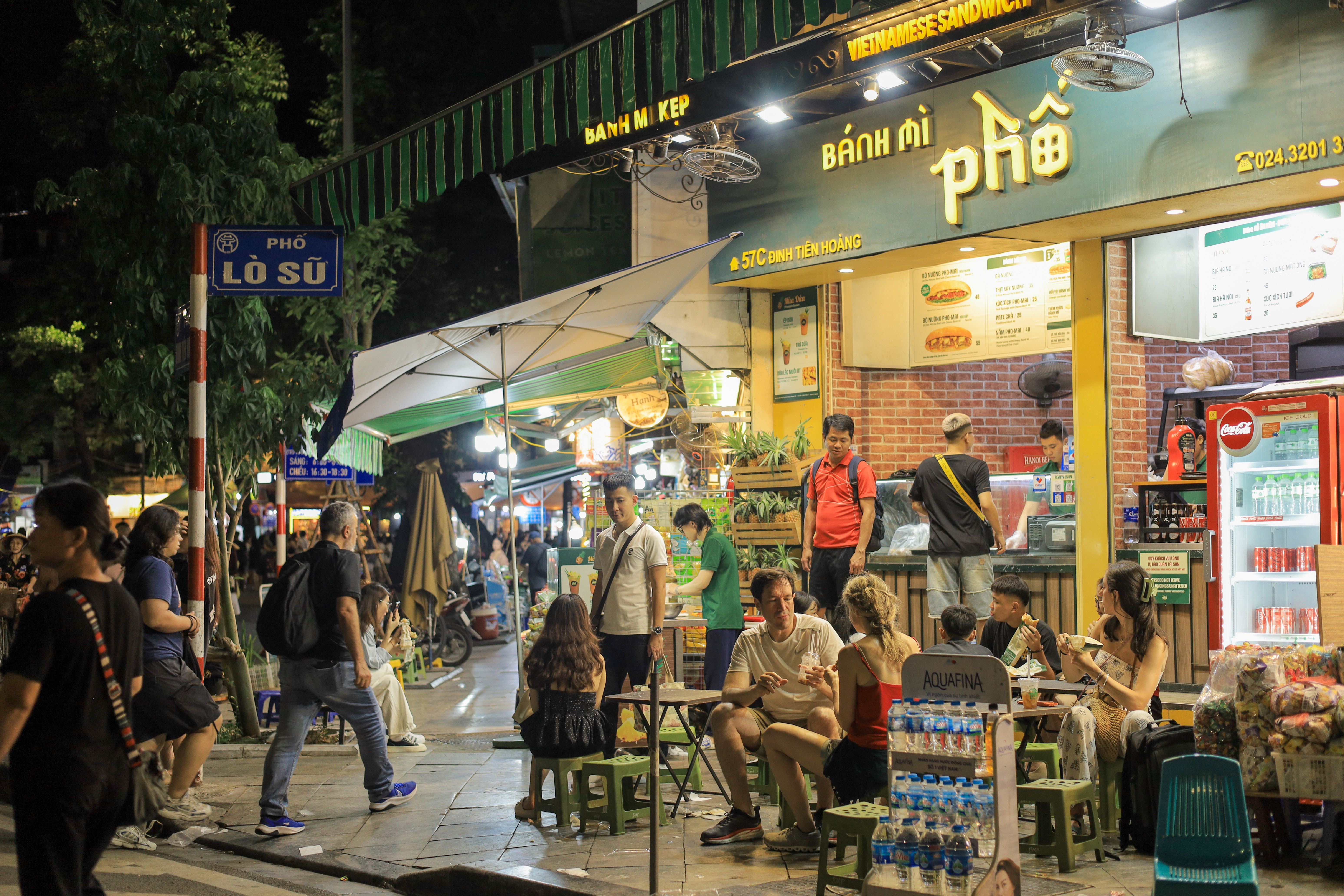

How to Eat Pho Like a Local: Etiquette and Tips
This isn’t about being fancy — it’s about getting the best flavor out of each bowl.
- Taste the broth first. Before adding anything, take a sip. This tells you about the quality of the restaurant. Good broth is balanced, fragrant, and not overly salty.
- Add condiments gradually. Squeeze a little lime. Add a slice of chili. Taste again. Don’t dump everything in at once, especially hoisin. Southern locals often add hoisin and sriracha, but in very small amounts.
- Herbs go in as you eat. Tear basil leaves and add a few at a time. Don’t submerge the entire pile at once — it overpowers.
- Use chopsticks and spoon together. Hold your spoon in your left hand (if right-handed) and chopsticks in your right. Lift noodles with chopsticks, dip, and follow with a sip of broth from the spoon.
- Slurping is fine. It aerates the broth and cools the noodles. It’s normal.
- Don’t lift the bowl to your mouth. That’s uncommon and seen as messy. Use your spoon.
Common tourist mistake: Dumping half a bottle of hoisin into a delicate northern broth. The result is a sweet, muddy mess. Taste first. Adjust later.
The Best Pho in Hanoi: Where to Eat
Hanoi is the spiritual home of pho. The best bowls come from neighborhood places with long histories and loyal regulars.
Pho Thin (13 Lo Duc)
This is famous for a reason — they stir-fry the beef in garlic and oil before pouring broth over it. The result is a rich, aromatic bowl with a slightly darker broth. It’s crowded at lunch. 50,000 VND. A classic for first-timers.
Pho Gia Truyen (49 Bat Dan)
One of Hanoi’s oldest pho joints. The broth is clean, balanced, and deeply beefy. They serve only one option: beef with brisket and flank. Expect a line. The menu is minimal — no hoisin, no bean sprouts. This is northern pho at its purest.
Pho Bat Dan (5 Bat Dan Alley)
Right across from Pho Gia Truyen but slightly different. Broth is equally clear but has a distinct cinnamon note. The atmosphere is rustic — metal tables, plastic stools, loud chatter. Go before 8am for the freshest broth.
If you’re short on time, a guided street food tour will take you to these spots plus a few hidden gems. Consider booking a Hanoi food tour for a curated experience.
The Best Pho in Ho Chi Minh City: Where to Eat
Southern pho in Saigon is bolder, sweeter, and more condiment-friendly.
Pho Hoa Pasteur (260C Pasteur)
A classic. Broth is robust and sweet from rock sugar. They offer a wide range of cuts — tendon, brisket, flank, and meatballs. The herb platter is generous. Great for first-timers because the flavor is approachable.
Pho Le (413 Nguyen Trai)
Also called Pho Le Nguyen Trai. Known for its slow-simmered broth and excellent tendon. Service is fast, even during peak hours. Prices around 60,000 VND. Highly recommended for anyone wanting a proper southern bowl.
Pho 2000 (1-3 Phan Chu Trinh)
You’ll see it everywhere because former US President Bill Clinton visited in 2000. It’s decent but touristy. Broth is sweet, portions are generous, prices slightly higher. Worth a stop if you’re near Ben Thanh Market, but not the best in town.
Tip for first-timers in Saigon: Visit Pho Le or Pho Hoa Pasteur. Skip Pho 2000 unless you want the photo op.
A Saigon street food tour can introduce you to several local favorites in one afternoon.
Pho at Home: Can You Make It Authentically?
Yes, but be honest with yourself about the effort.
Authentic pho broth requires 6 to 10 hours of simmering, careful skimming, and charring aromatics. If you have a full Saturday and a large pot, go for it. If you’re time-pressed, shortcuts exist — but they won’t match a proper bowl.
Essential equipment:
- Large stockpot: At least 12 quarts. Charred onion and ginger need room.
- Fine mesh strainer: For a clear broth.
- Spice bag or cheesecloth: To contain star anise, cloves, cinnamon.
- Instant Pot: Cuts simmering time to 2 hours. Works surprisingly well.
Simple recipe outline:
- Blanch beef bones in boiling water for 5 minutes. Rinse.
- Char quartered onion and ginger under broiler until blackened.
- Toast star anise, cloves, cinnamon in a dry pan.
- Add bones, charred aromatics, and spices to pot. Cover with water. Add fish sauce and a rock sugar.
- Simmer 6-8 hours. Skim fat periodically.
- Strain broth. Season with salt, fish sauce, and a pinch of sugar.
- Cook rice noodles according to package. Place in bowl. Add thin slices of raw beef. Pour hot broth over top.
- Serve with bean sprouts, basil, lime, and chili.
Shortcut: Use a pre-made pho spice kit and top-quality store-bought beef broth. Add charred onion and ginger. Simmer for 1 hour. It’s not the same, but it’s close enough for a weeknight.
For a proper deep dive, pick up Andrea Nguyen’s The Pho Cookbook. It’s the best resource on the subject.
Common Mistakes to Avoid When Eating or Making Pho
Based on years of eating and cooking, here are the biggest pitfalls.
- Overcooking noodles. Noodles turn soft and mushy. Cook them to al dente and rinse under cold water to stop cooking. Add to bowl just before serving.
- Adding all herbs at once. They become bitter and overpower the broth. Tear and add as you eat.
- Adding hoisin before tasting. You might mask a perfectly balanced broth. Taste first. Then decide.
- Using low-quality beef bones. Bones from grass-fed cattle give better flavor and more gelatin. Avoid bones with too much fat — it makes the broth greasy.
- Not charring onion and ginger. This step adds essential smoky depth. Skipping it leaves the broth flat.
- Serving soup too hot. Boiling broth will cook the noodles further and make them mushy. Let broth cool slightly (85°C) before pouring.

Beyond Beef and Chicken: Specialty Pho Variations
Most pho is beef or chicken, but there are lesser-known versions worth seeking out.
- Pho chay: Vegetarian pho. Mushroom-based broth with tofu and vegetables. Common in Buddhist eateries.
- Pho ca: Fish pho. A specialty in coastal regions like Phan Thiet. Broth uses fish bones and has a distinct, briny edge.
- Pho ga chien: Crispy chicken pho. Fried chicken pieces added to a standard pho ga base. Rich and indulgent.
- Pho xao: Stir-fried pho. No broth — noodles are wok-tossed with meat, vegetables, and a savory sauce. More like a noodle dish.
- Pho cuon: Pho spring rolls. Noodles and herbs wrapped in rice paper, served with dipping sauce. A popular snack in Hanoi.
- Pho tron: Mixed pho — broth and noodles served separately, meant to be combined at the table.
These aren’t substitutes for the classic, but they’re worth trying if you’re curious.
Pho and Your Budget: Street Stalls, Bia Hoi, and Upscale Spots
Pho pricing varies widely across Vietnam. Here’s a realistic breakdown:
- Street stalls (30,000–60,000 VND / $1.25–$2.50): These are plastic stools on sidewalk corners. Broth is often excellent. Cuts may be limited. Best for adventurous eaters.
- Local restaurants (60,000–100,000 VND / $2.50–$4.00): Seated at a proper table. More meat options, cleaner environment. Best value for most travelers.
- Upscale hotels and restaurants (150,000–250,000 VND / $6.00–$10.00): Larger portions, premium cuts, better presentation. Still affordable by Western standards but not necessary for authenticity.
Best choice for most visitors: Local restaurants. You get comfort and quality without the tourist markup. If you’re on a tight budget, street pho is perfectly fine — just go when it’s busy.
Essential Gear for Pho Lovers: From Bowls to Spice Kits
If you’re serious about making pho at home, a few items make the job easier.
- Pho bowls: Stoneware bowls like these retain heat better than ceramic. Large capacity (24–32 oz) is ideal.
- Soup spoons: Large, wide ceramic spoons. Traditional Vietnamese pho spoons work best.
- Spice bag: Reusable muslin bags for containing star anise and cloves. Easy to fish out later.
- Fish sauce: Red Boat or Three Crabs brands. High quality makes a real difference.
- Instant Pot: Not traditional, but a pressure cooker cuts broth time dramatically. Many home cooks swear by it.
- Pho spice kit: Pre-measured spices. Good for beginners. Check out this option.
Buy what matches how often you cook. If it’s a monthly thing, a basic set is fine. If you’re a regular, invest in good equipment.
Final Thoughts: Finding Your Perfect Bowl of Pho
Pho looks simple, but the best bowls take hours to make and a lifetime to appreciate. The key takeaways: taste the broth first, understand the regional differences, and don’t let condiments ruin a well-made soup. Whether you’re eating in a Hanoi alley or a Saigon food court, trust your own palate. Every bowl teaches you something. If you want to go deeper, consider booking a cooking class or a food tour — not for the hype, but for the immersion. Now go find your bowl.