Introduction
If you’ve ever stood at a sushi counter feeling a little unsure about what to order or how to eat it properly, you’re not alone. Sushi can seem deceptively simple, but there’s a surprising amount of nuance behind those small bites of rice and fish. This comprehensive sushi guide types etiquette guide is designed to bridge that gap. Whether you’re a complete beginner or someone who enjoys sushi regularly but wants to understand it better, the goal here is practical knowledge you can actually use. We’ll cut through the common confusion around terminology—like why not everything is a “maki roll” and why sashimi isn’t technically sushi—so you can order with confidence, avoid awkward mistakes, and get the most out of every meal. This isn’t about becoming a snob; it’s about having a better, more enjoyable experience every time you sit down to eat.

Understanding the Key Sushi Types
Let’s get the vocabulary straight first. The word “sushi” actually refers to the vinegared rice, not the fish. Knowing the main styles makes ordering less intimidating and helps you figure out what you’ll actually like.
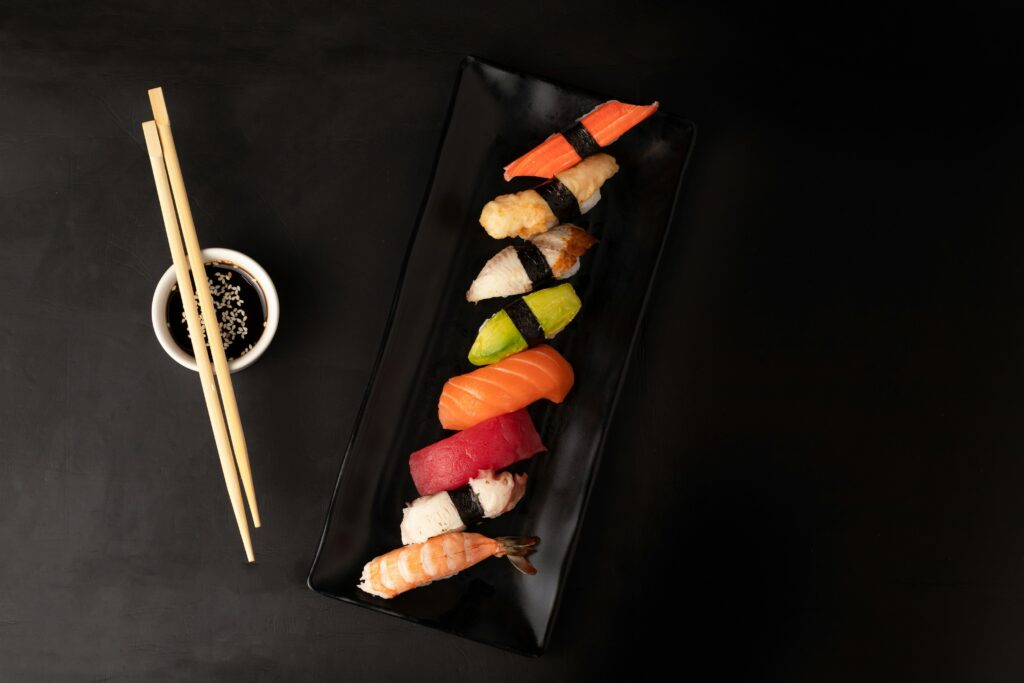
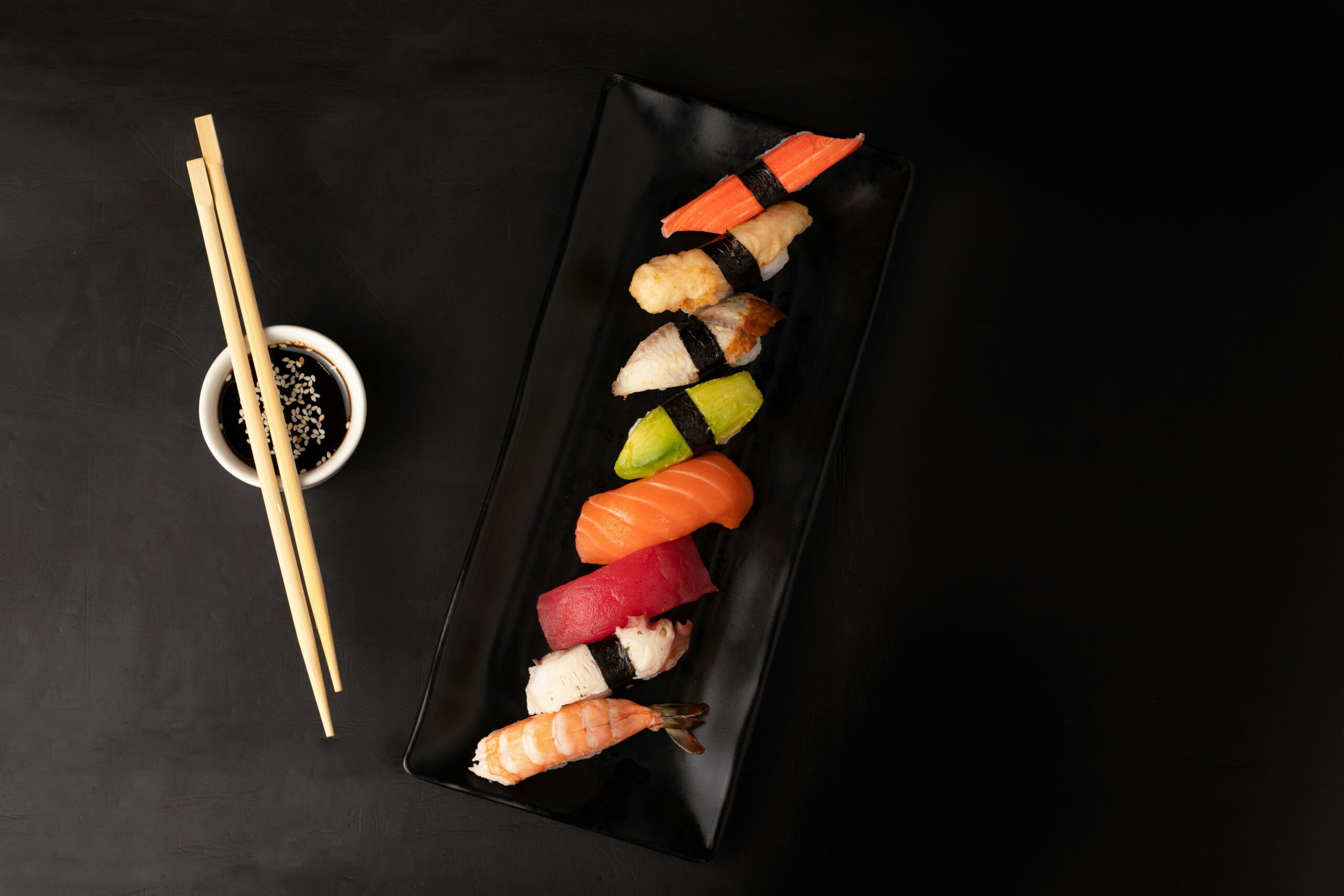
- Nigiri: This is the classic hand-pressed oval of rice topped with a slice of fish, like salmon or tuna. Sometimes a tiny strip of nori (seaweed) holds the fish in place. The balance between the seasoned rice and the fresh fish is the focus here. Expect a delicate texture where the fish melts a bit.
- Sashimi: This is purely thin slices of raw fish served without rice. While often grouped with sushi, it’s technically a separate dish. It’s all about the quality and cut of the fish itself.
- Maki: These are the classic rolled cylinders. Rice and fillings (like fish, cucumber, or avocado) are wrapped in nori and sliced into bite-sized pieces. The simplest is hoso-maki (thin roll), while larger rolls with multiple fillings are common variations.
- Uramaki: This is the “inside-out” roll you see everywhere—rice on the outside, nori on the inside. Think California rolls or spicy tuna rolls. They can hold more fillings and are popular with newcomers.
- Temaki: These are hand rolls—large cones of nori stuffed with rice, fish, and vegetables. They’re meant to be eaten immediately with your hands because the seaweed softens quickly.
- Chirashi: A bowl of sushi rice topped with a colorful assortment of raw fish, vegetables, and garnishes. It’s casual, satisfying, and a great way to sample different fish without committing to one type.
Remember that “maki” is just one style, not a synonym for all sushi. Also, sashimi is not sushi. Knowing this alone puts you ahead of most people.
The Most Common Mistakes When Ordering Sushi
Beginners make the same few errors over and over. Recognizing them will save you from dulling the flavors or looking like you don’t know what you’re doing.
- Overloading with soy sauce. Pouring a pool and submerging everything makes every piece taste identical. You’re paying for the fish, not the salt.
- Mixing wasabi into soy sauce. This is a common practice in the West, but it muddies the flavor. Wasabi is usually placed between the fish and rice for a reason. If you need extra heat, dab a tiny bit directly on the fish.
- Eating ginger with sushi. That pile of pickled pink ginger is not a topping. It’s a palate cleanser meant to be eaten between different pieces of fish to reset your taste buds. Putting it on top of your sushi just masks everything.
- Leaving the rice untouched. The rice isn’t filler. It’s carefully seasoned with vinegar, salt, and sugar. It’s an integral part of the experience.
- Ordering too many heavy rolls. A menu full of tempura, cream cheese, and spicy mayo rolls (while delicious) can hide lower-quality fish. Start with something simple to gauge the restaurant’s quality.
Correcting these habits immediately makes you look and feel more confident at the counter.
Pouring the Soy Sauce: A Simple Etiquette Guide
Soy sauce is a condiment, not a bath. Pour a small amount into the provided dish—just enough to cover the bottom. The key technique is to dip the fish side of the nigiri or a corner of the maki into the sauce, not the rice side. Rice acts like a sponge and will soak up way too much liquid, making it salty and causing the bite to fall apart. You should never see rice floating in the soy sauce dish. A high-quality restaurant may present sushi that’s already seasoned, meaning extra soy sauce isn’t needed. Ask the chef if you’re unsure. A little restraint goes a long way.
Nigiri vs. Sashimi vs. Rolls: What to Order When
Choosing between these depends entirely on what you’re in the mood for and your dietary needs.
- Nigiri is for when you want the pure flavor of the fish, with the texture and slight sweetness of seasoned rice. It’s a good benchmark for a sushi chef’s skill. Best for: texture lovers and anyone who wants the classic experience.
- Sashimi is for purists, low-carb dieters, or anyone who wants only the fish without any filler. The focus is completely on the freshness and quality of the cut. Best for: appreciating pristine ingredients or avoiding carbs.
- Rolls (Maki/Uramaki) are for variety, flavor combinations, and beginners who might be intimidated by straight raw fish. They are also great for introducing kids or picky eaters to the sushi experience because they include cooked or milder ingredients. Best for: flavor experimentation and social eating.
A well-balanced meal often includes an order of nigiri, a few pieces of sashimi, and one or two simple rolls. This gives you the full spectrum of what sushi can be.
How to Eat Sushi with Chopsticks (and When Fingers Are Better)
One of the biggest surprises for newcomers is that eating nigiri with your fingers is actually the traditional method in Japan. Your fingers apply less pressure than chopsticks, which means the delicate piece of fish and rice is less likely to fall apart. So for nigiri, feel free to use your hands. For rolls and sashimi, chopsticks are the norm. If you’re using chopsticks, follow the basic rules: don’t point them at people, don’t stab your food, and don’t rub them together (which implies the wood is cheap). Pick up a piece firmly but gently. The most important thing is to be comfortable and eat the food while it’s fresh.
Wasabi and Ginger: The Right Way to Use Them
Here’s the short version. That green paste on your plate is usually a mixture of horseradish and mustard powder, not real wasabi. Regardless, its role is to provide a subtle kick that enhances the fish, not to overwhelm it. Real wasabi is typically placed between the fish and the rice by the chef. If you want more, add a tiny bit to the top of the fish. Never mix it into your soy sauce. The pink pickled ginger is strictly a palate cleanser. Eat a slice or two between different types of fish to reset your taste buds. Putting a pile of ginger on top of your sushi and eating it together ruins your ability to taste the delicate flavors of the fish. Respect the ginger’s function.
What to Drink with Sushi: From Green Tea to Sake
The right drink cuts through the fat and cleanses your palate without masking the fish.
- Green Tea: The classic, everyday pairing. It’s hot, astringent, and a perfect foil for rich fish. It’s also what you’ll get at a proper counter.
- Cold Sake: A crisp, clean junmai or ginjo sake is fantastic. It should be served chilled, not hot. Hot sake is often used to mask lower quality.
- Light Beer: Do not underestimate a crisp lager like Asahi or Sapporo. It’s incredibly refreshing, cuts through the richness, and is arguably the most practical choice for most people. It’s affordable and accessible.
- Red Wine: This is generally a bad idea. The tannins clash terribly with raw fish, creating a metallic taste. If you want wine, stick with a dry, crisp white like a Muscadet or a light German Riesling.
Don’t let the sake snobs scare you. A cold beer with great sushi is a perfect, unpretentious pairing.
How to Spot a Quality Sushi Restaurant
You don’t need to be a chef to judge a place. Look for these signals:
- Fresh fish is visible. If you can see the fish displayed on ice in a glass case, that’s a very good sign. It shows the restaurant is proud of its sourcing and turnover.
- The chef is present and engaged. A visible chef working behind the counter who interacts with customers is a hallmark of quality. It builds trust and allows you to ask questions.
- The rice is warm, not cold. Sushi rice should be at body temperature, seasoned just right, and have a distinct vinegar tang. Cold, clumpy rice is a red flag.
- The menu isn’t huge. A menu with 100+ items is usually a sign of a mediocre kitchen. A focused menu of 15-20 high-quality items often indicates a specialist who cares about their ingredients.
- The aesthetic isn’t everything. Many of the best sushi places are small, unassuming hole-in-the-walls. A flashy, brightly lit chain restaurant with numerous locations is rarely the place for a top-tier experience.
Trust your instincts. If the place smells clean and the chef looks serious, you’re probably in a good spot.

Sushi Delivery and Takeout: How to Maintain Quality
Eating sushi at home is convenient, but it requires strategy. The clock starts ticking the moment the sushi is made. Follow these rules:
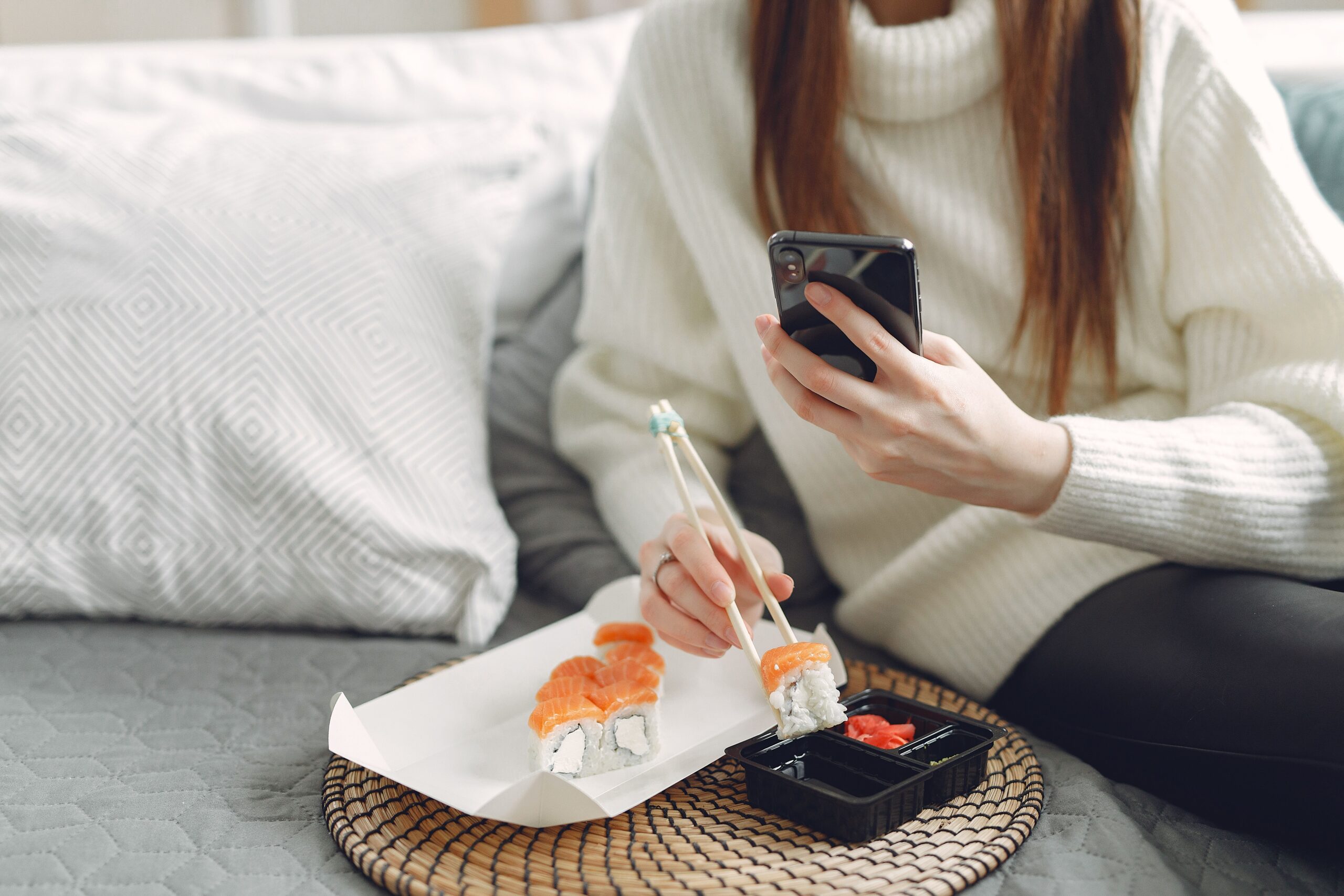
- Eat within 30 minutes. That’s the window when the rice is still at the right temperature and texture, and the fish is still fresh.
- Separate everything. Ask for the wasabi, ginger, and soy sauce on the side. If they are pre-placed on the roll, they will make the rice soggy or overwhelm the flavors.
- Avoid deep-fried rolls for delivery. Tempura or crispy rolls turn into a sad, soggy mess by the time they arrive. Stick to simple nigiri, sashimi, or temaki (hand rolls).
- Rehydrate your soy sauce. Those little packets are usually thick and salty. Consider adding a drop of water to thin it out.
The best sushi for takeout is sashimi and simple nigiri. The worst is anything with soft fillings like avocado or raw batter that doesn’t travel well.
The Role of the Chef: Why Counter Dining Matters
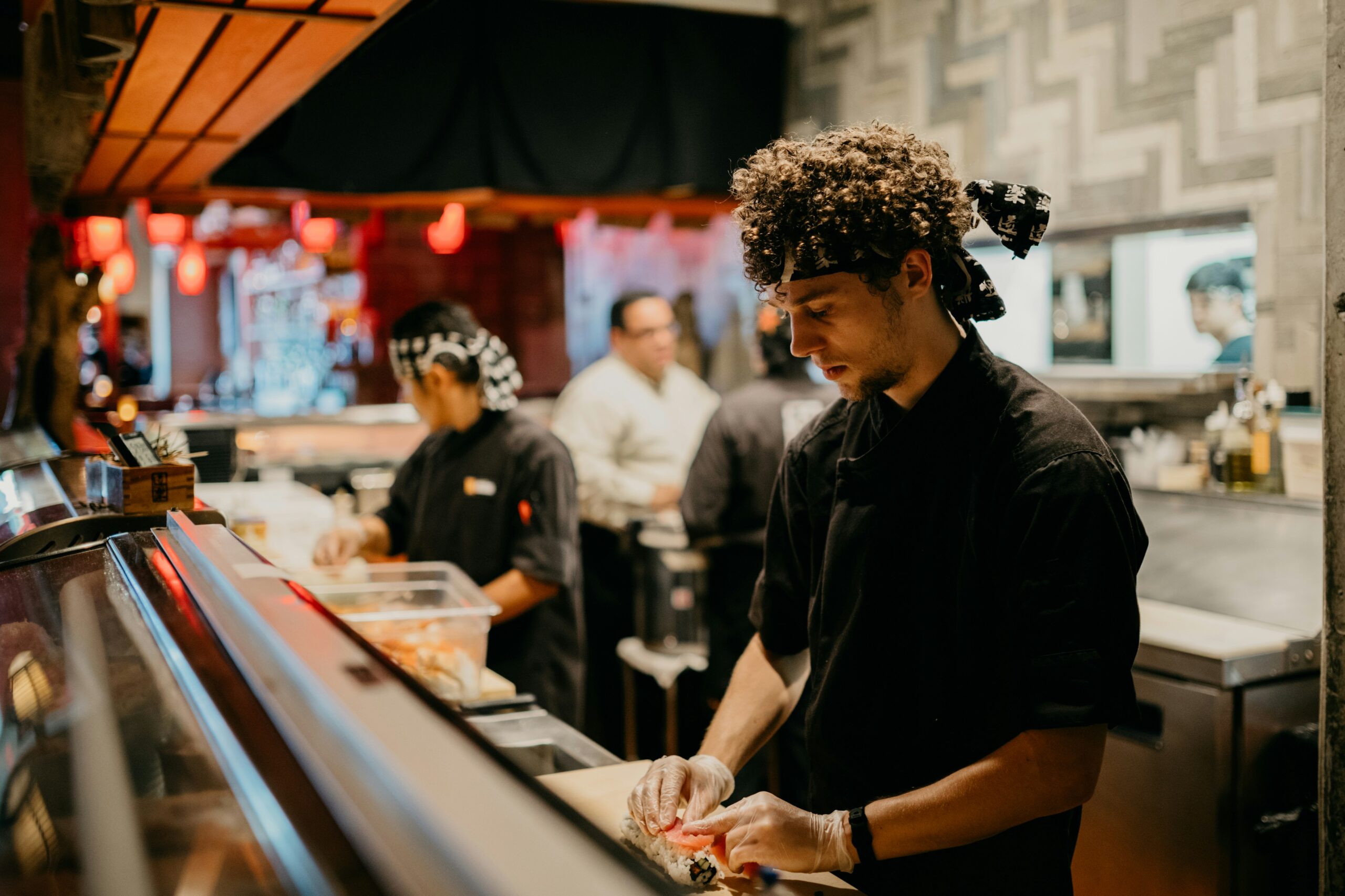
If you have the chance, sit at the sushi counter. This is where the magic happens. The chef hands you each piece individually, often waiting for you to finish before starting the next. This piece-by-piece service ensures every bite is at its peak temperature and texture. It also lets you build a rapport. You can ask what’s fresh, what the chef recommends, and even make small requests. This is the environment for omakase (chef’s choice), where you put your trust in the chef. A good omakase meal is a journey through the chef’s best ingredients and techniques. It’s more expensive, but it’s the most authentic and rewarding way to eat sushi. Counter dining is for a higher level of connection and experience, not just a meal.
Essential Gear for Making Sushi at Home
Making sushi at home is incredibly rewarding and surprisingly easy if you have the right tools. You don’t need a professional kitchen to get started.
- Bamboo Rolling Mat (Makisu): Absolutely essential for making maki. A basic one is fine, but get one with tightly woven slats for a cleaner roll.
- Sharp Knife: A good, sharp knife is critical for clean cuts. A Yanagiba is the traditional single-bevel knife for fish, but a high-quality chef’s knife or santoku works perfectly. A dull knife will crush delicate fish and rice. A dedicated sushi knife can make a noticeable difference in the quality of your cuts.
- Rice Cooker: A good rice cooker with a sushi setting makes perfect sushi rice every time with zero effort. It’s one of the best investments you can make for consistent results.
- Shamoji (Rice Paddle): This wooden or plastic paddle helps you fluff and mix the seasoned rice into the sushi vinegar without mashing the grains.
- Hangiri (Sushi Bowl): A traditional wooden bowl for cooling and mixing the sushi rice. The wood absorbs excess moisture. A large, flat plastic bowl can substitute, but a hangiri does a better job.
You absolutely do not need everything on this list to start. A beginner can make excellent maki with just a good bamboo mat and a sharp knife. That’s it. For a complete beginner-friendly kit that bundles the essentials, consider something like a sushi making kit for beginners, which typically includes a mat, rice paddle, and instructions. Once you’ve made your first few rolls, you’ll know exactly what else you want.
Sushi Etiquette Around the World: Key Differences
Sushi culture isn’t a monolith. What’s perfectly acceptable in a Tokyo sushiya might raise eyebrows in Los Angeles, and vice versa. The core principles of respect for the food and the chef are universal, but the specifics vary. In Japan, the atmosphere is more reserved. You speak quieter, you don’t wear strong perfume, and you don’t ask for a fork. Leaving food on your plate is rude. In Western sushi spots, the environment is often louder and more social. There’s more freedom to add condiments like extra spicy mayo or to customise your order. Both approaches are valid as long as you’re respectful. The most important rule is to adapt to the environment you’re in. If you’re in a high-end, intimate counter in Japan, follow the local norms. If you’re at a lively conveyor belt spot, feel free to be more casual.

Final Tips for a Great Sushi Experience
So here’s the nutshell version of everything. Start simple. Order a piece of nigiri, then another. Trust the chef’s recommendations. Don’t drown your sushi in soy sauce or wasabi. Be curious—ask about the fish and where it’s from. Don’t be afraid to try something new. The entire journey of sushi is about discovery. Next time you’re out, challenge yourself to step away from the spicy tuna roll and try a piece of unagi (eel) or a simple piece of hamachi (yellowtail). You’ll be surprised at what you find. Go out there, eat well, and enjoy the ride. The best seat in the house is the one at the counter.