Introduction
If you’re planning a trip to Japan and considering a tea ceremony, you’re likely trying to decide if it’s worth the time and cost, or how to choose the right experience. This guide is for travelers who want the history and meaning behind the japanese tea ceremony history without the academic fluff. Understanding where the ceremony comes from—and what it actually means—makes the hour you spend in a tea room far more valuable. Most visitors walk in nervous and leave confused, but with a little background, you’ll walk in informed and leave genuinely moved. This article covers the practical history, what to expect, where to go, and how to avoid the common mistakes that can ruin the moment. The goal is simple: help you book an experience that’s authentic, comfortable, and memorable.

The Origins of the Tea Ceremony: From Zen to Hospitality
The tea ceremony didn’t start as a tourist attraction. Its roots are in Zen Buddhist monasteries, where monks drank powdered matcha to stay alert during long meditation sessions. Over time, it evolved into a highly ritualized practice that influenced everything from architecture to etiquette. The single most important figure in its development is Sen no Rikyu, a 16th-century tea master who codified the ceremony into the form we see today. He emphasized simplicity, humility, and the idea that every encounter is unique. This philosophy—known as ichigo ichie (one time, one meeting)—still shapes every tea room and garden you visit.
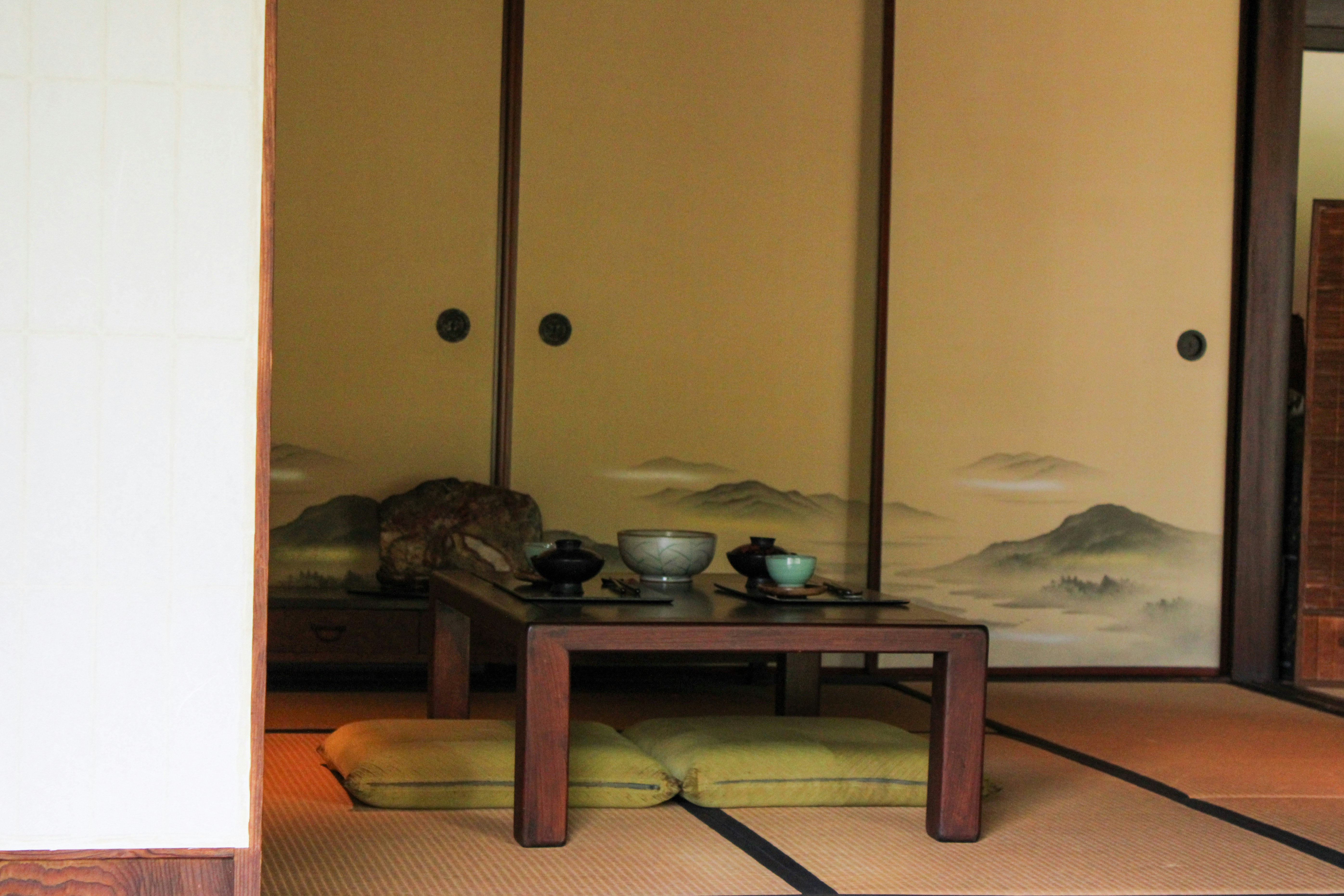
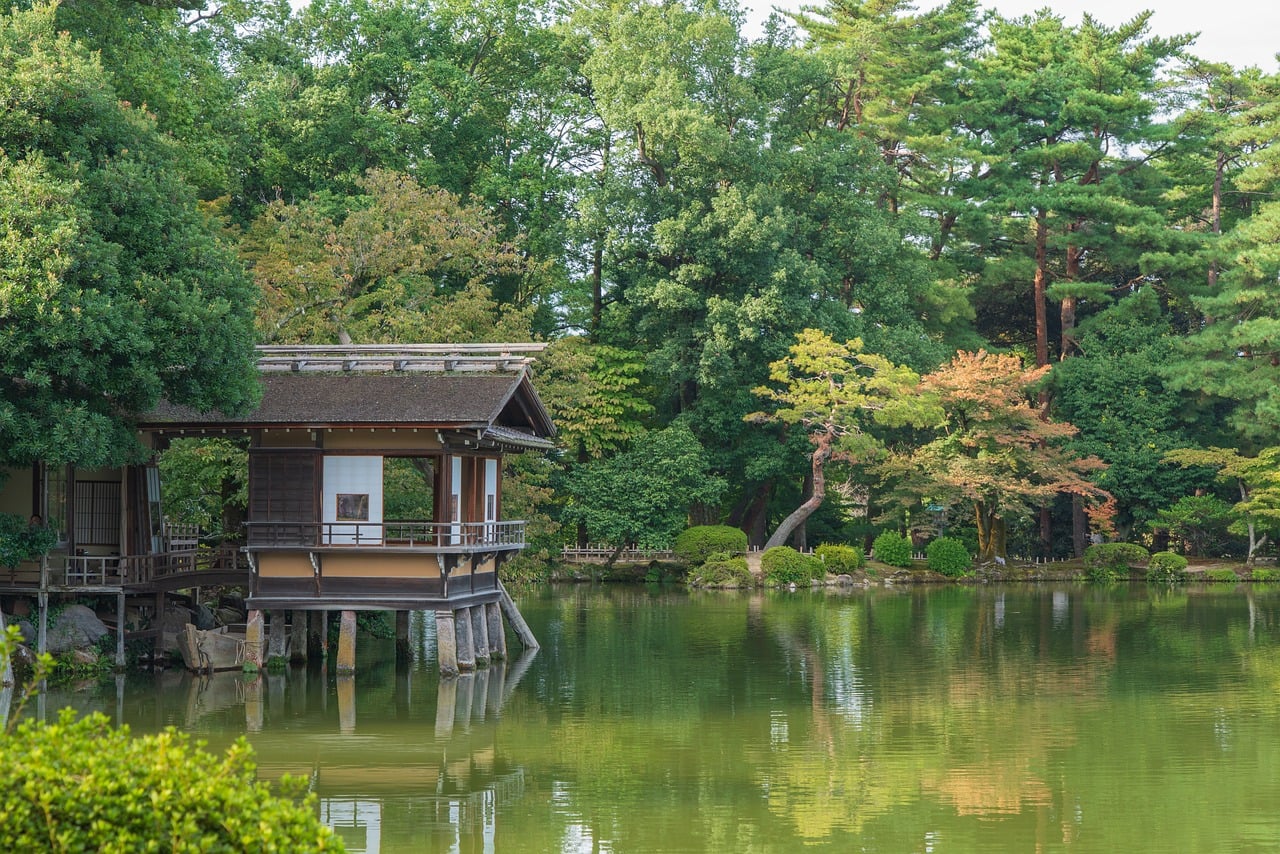
For the traveler, this history is visible in the tea house itself. The small, rustic entrance forces everyone to bow and remove shoes before entering. The garden path (roji) is designed to cleanse the mind before the ceremony. Even the placement of the scroll and flowers in the alcove is deliberate. When you visit a temple like Kennin-ji in Kyoto, you’re stepping into a tradition that’s over 400 years old. Knowing this doesn’t just make the experience richer—it helps you behave correctly and feel less awkward.
What to Expect During a Tea Ceremony: A Step-by-Step Breakdown
Most tea ceremonies follow a predictable structure, but the flow can feel confusing if you’ve never done it before. Here’s exactly what happens, from start to finish.
Entering the Tea House: You’ll arrive at the garden gate and wait for the host. Remove your shoes before stepping onto the tatami mats. The entrance is often low—you’ll need to duck or crawl through. This isn’t an architectural flaw; it’s a reminder of humility. For those dealing with creaky knees or a bad back, it’s worth practicing a low crouch at home beforehand, or bringing a small cushion if available.
Purification: The host performs a series of symbolic gestures with the tea utensils, cleansing them in front of you. You don’t participate, but you should watch quietly. The deliberate, slow movements are part of the ritual.
The Meal (Kaiseki): Only in a full-length ceremony (the chaji) will you be served a multi-course meal. This is simple, seasonal food—think miso soup, sashimi, and steamed vegetables. Eat with chopsticks and don’t rush. If you’re at a shorter ceremony, this step is skipped.
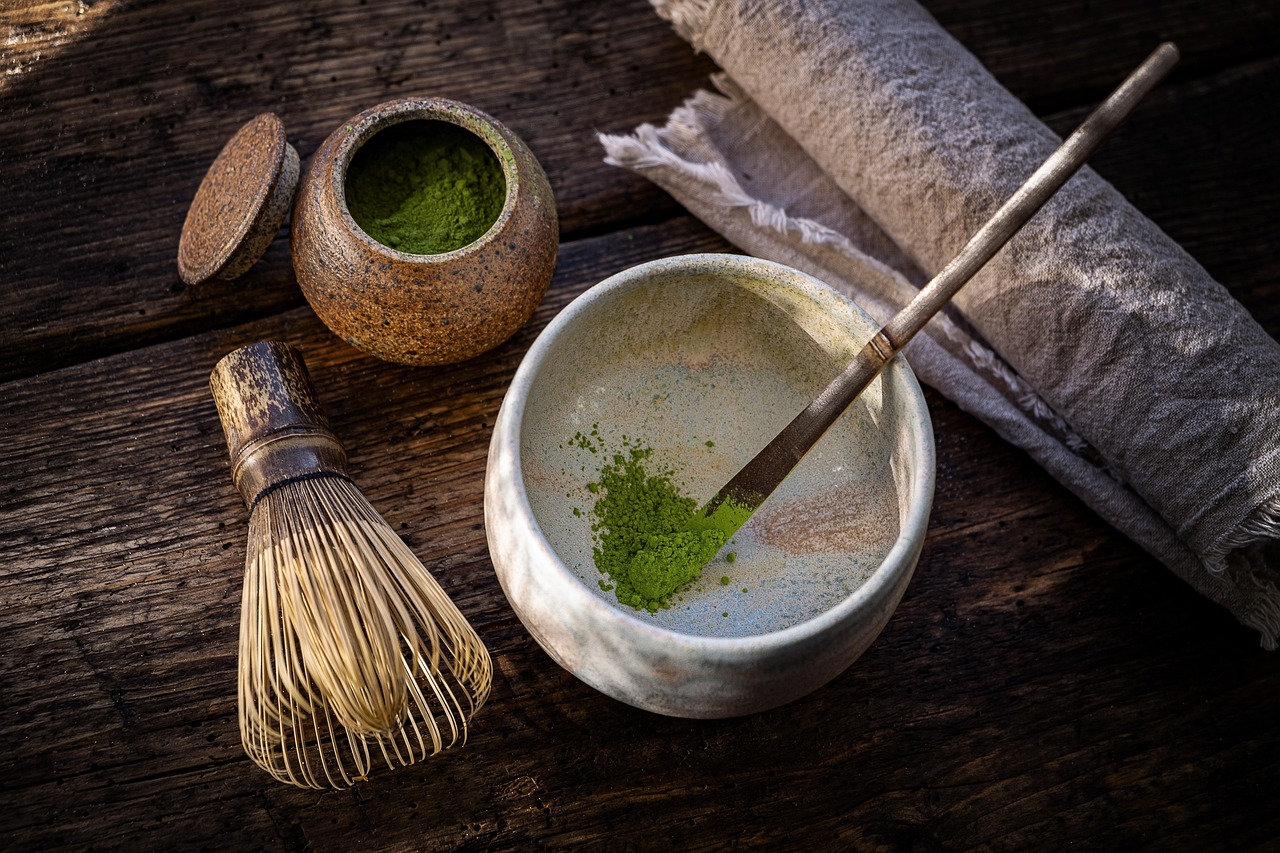
Thick Tea (Koicha): This is the most formal part. The host prepares a bowl of thick matcha that is shared among all guests. You’ll take a sip, wipe the rim with a paper napkin, and pass it to the next person. Don’t gulp it down; this tea is intense and bitter.
Thin Tea (Usucha): After the thick tea, the host prepares individual bowls of lighter matcha. This is more approachable and what most tourists experience. You’ll be told how to hold the bowl—always rotate it before drinking—and when to drink.
The Exit: After the last sip, you bow, thank the host, and leave the tea house in the same quiet manner you entered. The whole experience can last 30 minutes to four hours, depending on the type.
Don’t worry about memorizing every detail. The host will guide you. The key is to stay present, keep your phone off, and follow what others do.
Behind the Bow: The Core Principles of Chado
Every movement in a tea ceremony is tied to four principles: wa (harmony), kei (respect), sei (purity), and jaku (tranquility). These aren’t abstract ideas—they’re practical guides to how you should behave.
- Wa (Harmony): You’ll see this in the seasonal sweets served before the tea. They’re chosen to reflect the time of year—cherry blossoms in spring, maple leaves in autumn. The tea bowl’s shape and color also harmonize with the season. The lesson: pay attention to the details.
- Kei (Respect): The way you receive the tea bowl—placing it in your left palm, rotating it, and then sipping—is an act of respect. It acknowledges the host’s effort and the utensil’s history. Don’t rush this.
- Sei (Purity): The full ceremonial cleansing of the tea tools is about removing clutter from the mind and the space. In practice, it means leaving your stress and phone at the door.
- Jaku (Tranquility): The final ideal is a calm, focused state. You’ll feel it after an hour of quiet attention. If you don’t, you’re probably still thinking about your itinerary. Let go.
Understanding these principles helps you stop worrying about “doing it right” and start experiencing the ceremony the way it was intended.

Tea Room Etiquette: 5 Mistakes First-Timers Make
Here are the most common errors travelers make and how to avoid them.
- Wearing shoes inside. It sounds obvious, but in a low-lit tea house, you might forget. Remove your shoes at the entry and place them neatly to the side. Wear clean socks without holes. For longer trips, it’s worth packing a reliable pair of travel socks that are comfortable and presentable.
- Talking too much. This is not a chatty event. The ceremony is a quiet, meditative practice. Save questions for after the host finishes. If you’re with a friend, resist the urge to whisper.
- Holding the bowl incorrectly. Always use your right hand to take the bowl and place it in your left palm. Then rotate the bowl clockwise before drinking. Never drink from the front of the bowl—that’s considered rude.
- Drinking the soup in one go. The thick tea (koicha) is meant to be sipped slowly, not guzzled. Sip, wipe, and pass. The thin tea (usucha) can be finished, but do it with composure.
- Taking photos without permission. Some tea houses allow photography before or after, but rarely during the ritual. This is a matter of respect. Ask first, and when in doubt, keep your camera away.
Correcting these mistakes on the spot is hard, but preparation helps. If you’re unsure, just watch the host and mimic their actions.
Choosing the Right Tea Ceremony Experience: Public vs. Private vs. Temple
Not all tea ceremonies are the same. Here’s how to pick the right one for your schedule and budget.
Public Demonstrations (Large Groups): These are held at cultural centers, hotels, or event halls. You’ll sit with 10–20 other people. The host demonstrates the ceremony while a guide explains. This is low-cost (¥1,000–¥3,000 per person) and lasts 30–45 minutes. Best for: travelers on a tight budget or schedule who just want to see it. Downside: it feels impersonal.
Small Private Classes: These happen in small tea schools or at a host’s home. Groups of 2–6 people. You’ll participate fully—making your own bowl of matcha, asking questions, and receiving direct feedback. Price is ¥5,000–¥10,000 per person. Best for: travelers who want a hands-on experience and deeper understanding. Downside: requires more time and advance booking.
Temple-Based Ceremonies: Often held in historic temples with beautiful gardens. The atmosphere is unmatched. These are immersive but usually shorter (60–90 minutes). Price is ¥3,000–¥7,000. Best for: travelers who value ambiance and are already visiting a temple. Downside: availability is limited, and English explanation may be brief.
If you’re a first-timer, a small private class is the sweet spot. You’ll learn more and walk away confident.
Where to Experience a Tea Ceremony in Japan: Kyoto, Tokyo, and Beyond
Kyoto: This is the heartland. The Gion district is famous for its tea houses, but many require a reservation through a concierge or tour booking site. For a solid choice, look into the Urasenke Foundation or Kennin-ji temple—both offer regular demonstrations. Book at least two weeks in advance if you’re visiting during peak seasons (March–May, October–December).
Tokyo: If you’re short on time, Tokyo has convenient options. Happo-en, in Meguro, runs English-friendly ceremonies in a beautiful garden setting. The Urasenke school in Aoyama also offers classes for beginners. Expect to pay a premium, but the convenience makes it worthwhile for short-stay travelers.
Other Destinations: Kanazawa has a well-preserved samurai district with tea houses. It’s cheaper and less crowded than Kyoto. Hakone, near Mount Fuji, often offers ryokan stays that include a private ceremony. Nara, with its deer park and national museum, also has seasonal events.
Season matters: book a morning slot in summer (less crowded, cooler) and a late afternoon slot in autumn (better light for photos, seasonal sweets).
What to Wear: Practical Clothing and Accessory Advice
You don’t need to buy a kimono, but dressing appropriately shows respect. Here’s what to wear:
- Covered shoulders and knees: A blouse or light sweater is fine. Avoid tank tops, shorts, and short skirts.
- Comfortable, easy-to-remove shoes: You’ll take them off several times. Slip-on sneakers or flats work well. Avoid lace-up boots.
- No strong scents: Perfume, cologne, and heavily scented lotion interfere with the tea’s aroma. Skip them.
- Kimono rental: Many venues rent kimonos for an additional fee (¥3,000–¥6,000). It’s a nice touch but not necessary. If you do rent, ask for a yukata or kimono suitable for a tea ceremony—some are too flashy.
- Accessories: Bring a small towel (tenugui) to wipe your hands. Clean white socks are essential. A small bag to hold your phone and wallet is fine, but leave large backpacks at your hotel.
Tea Ceremony vs. Tea Tasting: What’s the Difference?
It’s a common confusion. A tea tasting is exactly what it sounds like: you sample different teas (matcha, sencha, genmaicha) and hear about their origins. It’s casual, often standing, and you’re free to chat. A full tea ceremony is structured, slow, and focused on the process of preparation and consumption. The ceremony is an event; the tasting is an education.
If you want to understand tea itself—flavors, grades, brewing methods—book a tasting. If you want a cultural experience that includes history, etiquette, and a meditative atmosphere, book the ceremony. If you have time, do both. In Kyoto, tea tastings are available at places like Ippodo Tea (near the Imperial Palace) and are typically cheaper (¥1,000–¥2,000 per person).
How to Book Your Tea Ceremony: Common Platforms and Insider Tips
You have several options to book:
- Tour booking sites: Platforms like Viator and Klook list dozens of tea ceremonies. They often include English guides and cancellation policies. This is the easiest route for first-timers.
- Hotel concierge: High-end hotels can arrange private tea ceremonies in your room or at a local tea house. They may have access to exclusive venues not listed online.
- Direct with tea schools: Try the Urasenke or Omotesenke school websites. They offer small-group classes. Book at least two weeks out.
Insider tips: Always confirm if the ceremony is conducted in English or Japanese with translation. Ask about cancellation policies—many venues require 24–48 hours’ notice. For a reliable option, consider booking a small-group class through a site partner that offers free cancellation.
Pricing: What You’ll Pay and What’s Included
Prices vary, but here’s a realistic breakdown:
- Public demonstration: ¥1,000–¥3,000 per person. Includes matcha, a sweet, and a 30–45-minute demonstration. No hands-on involvement.
- Private small-class: ¥5,000–¥10,000 per person. Includes instruction, multiple types of tea, and often a seasonal sweet. Lasts 60–90 minutes.
- Private with kimono rental: ¥8,000–¥15,000 per person. Includes kimono dressing, the ceremony, and sometimes a garden walk.
- Photography permits: Some venues charge an extra ¥1,000–¥2,000 for photo permissions. Ask before you book to avoid disappointment.
What’s always included: matcha, a sweet, and instruction. What’s extra: kimono rental, photos, and sometimes a meal. Budget accordingly.

Final Checklist: Do This Before You Go
- Book in advance – At least two weeks for Kyoto, one week for Tokyo.
- Wear comfortable, easy-to-remove shoes – No laces. For convenience, consider slip-on flats that are easy to remove and put back on.
- Bring clean socks – No holes or stains.
- Arrive 10 minutes early – Late arrivals often miss the entrance ritual.
- Silence your phone – No vibrate, no rings.
- Leave excess luggage behind – Your hotel will store it.
- Bring a small towel – For wiping hands before the tea. A compact small travel towel can be handy for this purpose.
- Relax and follow the host’s lead – You’re not expected to be perfect.
With this guide, you’re ready to book, attend, and enjoy one of Japan’s most meaningful cultural rituals. Go slow, stay present, and let the ceremony speak for itself.