Introduction
If you’re standing in front of a menu trying to pick between pho and ramen, you know the feeling. It’s not just a meal decision — it’s about what kind of experience you want. This pho vs ramen comparison is for anyone who’s been stuck at that crossroads, wondering which soup is actually worth their time and money. I’ve eaten more bowls than I can count, from tiny street stalls in Ho Chi Minh City to cramped, standing-room-only ramen counters in Tokyo. The differences run deeper than just the noodles.
This isn’t about declaring a winner. It’s about understanding what each soup really offers so you can pick the right one for your mood, schedule, budget, or whatever you’re craving at the moment. Whether you’re planning a food trip abroad or just looking to cook something new at home, I’ll break down the key differences — flavor, ingredients, cost, health, and common pitfalls to avoid.
Let’s start with a quick look at each soup so you know what you’re dealing with.

What Is Pho? A Quick Overview
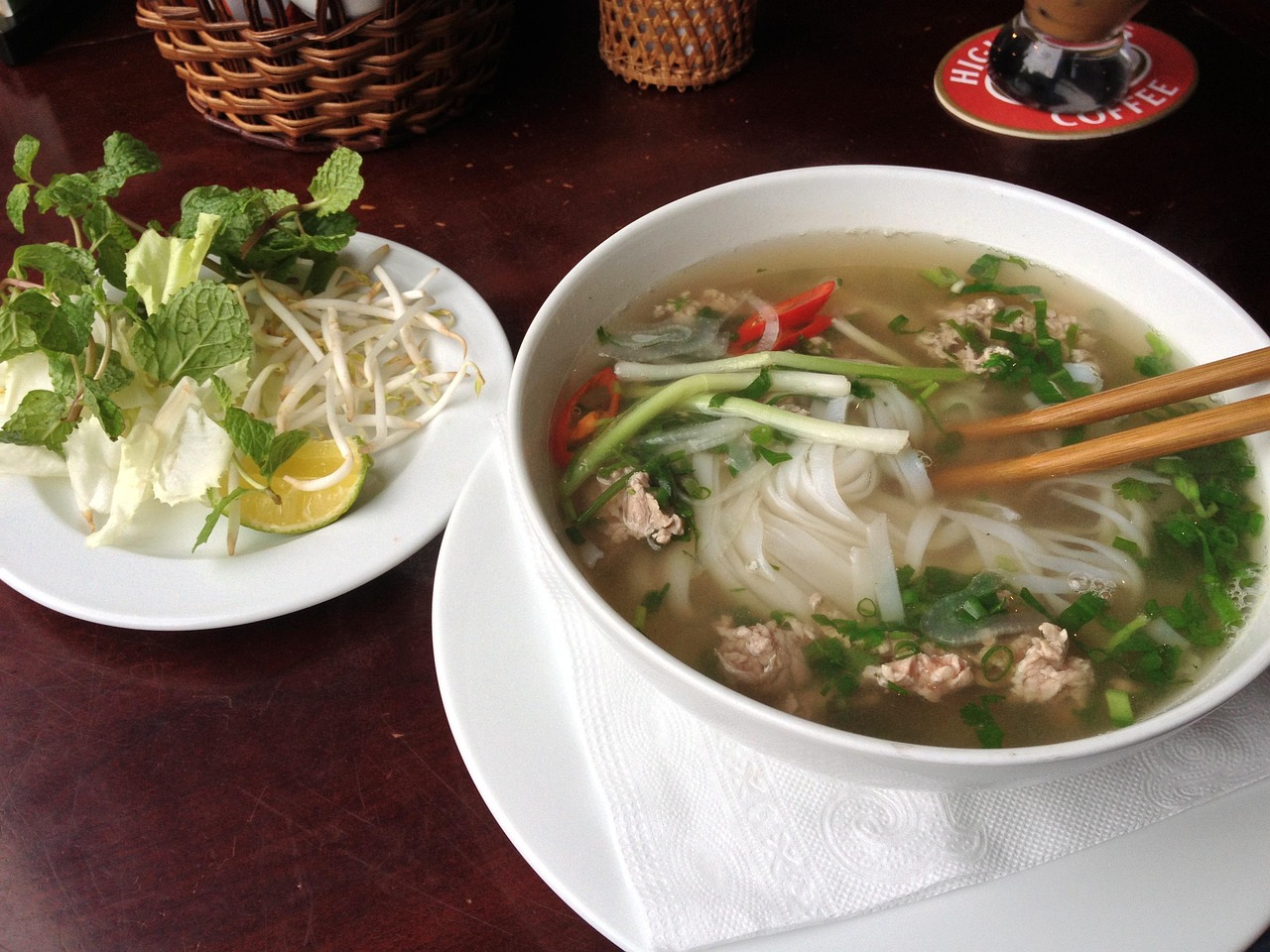
Pho is Vietnam’s national dish, and at its core, it’s a simple concept: a deeply savory broth poured over flat rice noodles (bánh phở), served with thinly sliced meat — usually beef or chicken. What makes pho special is the broth. It’s made by simmering beef or chicken bones with charred onions, ginger, and spices like star anise, cinnamon, and cloves for hours. The result is a clear, fragrant liquid that’s light on your palate but packed with flavor.
Regional styles matter here. Northern Vietnamese pho (pho Ha Noi) is more restrained — clean broth, fewer garnishes. Southern pho (pho Sai Gon) goes bigger: sweeter broth, more herbs, and a plate of fresh bean sprouts, basil, lime, and chili on the side. You season it yourself, adding a squeeze of lime or a drop of hoisin sauce as you go.
Pho is served piping hot. You eat it with chopsticks and a spoon. The noodles are soft but not mushy, and the broth is the real star. It’s a soup that rewards patience in preparation and respect in eating.
What Is Ramen? A Quick Overview
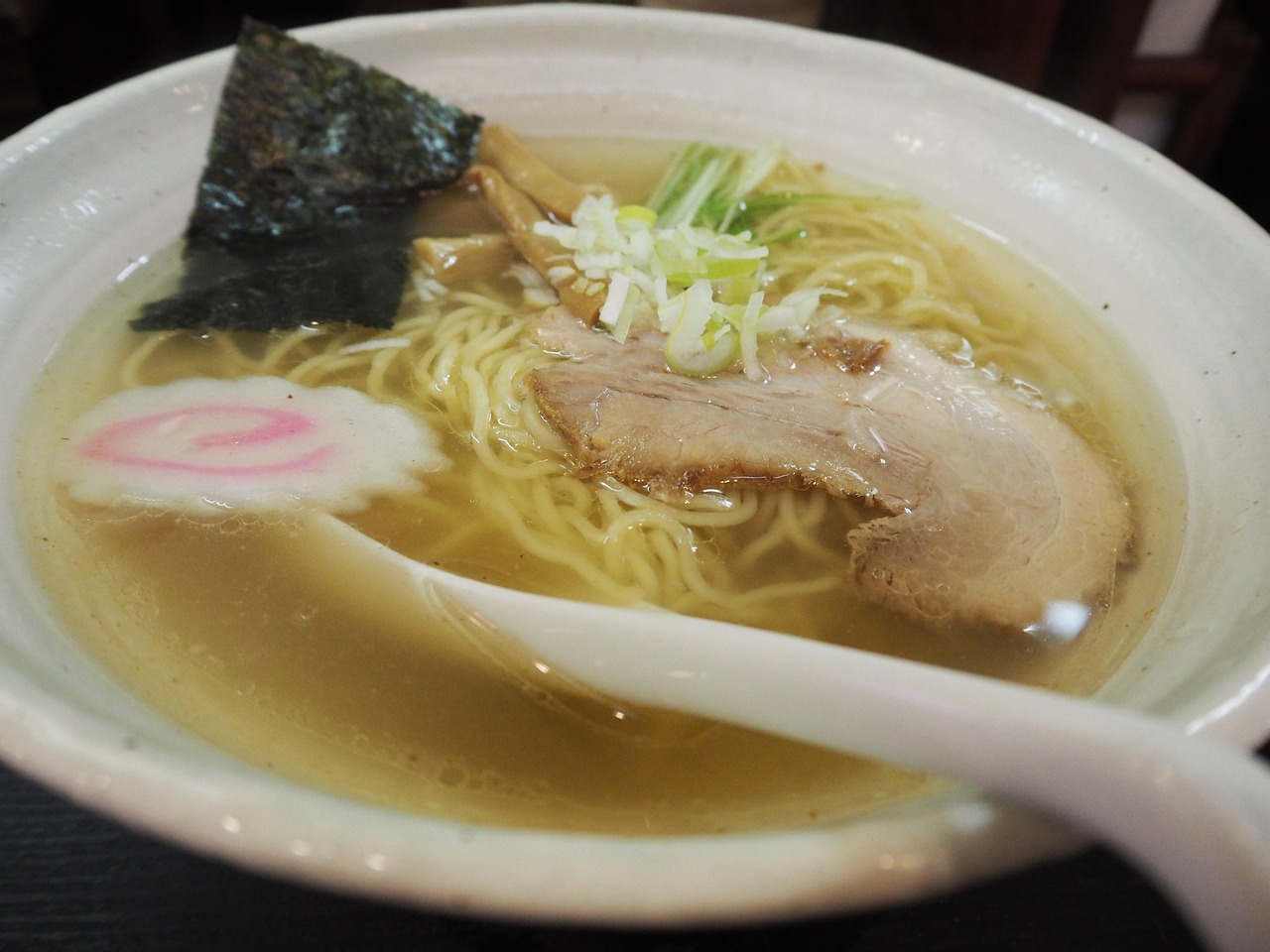
Ramen is Japan’s answer to noodle soup, but it couldn’t be more different from pho. Ramen is built around four components: broth, tare (seasoning), noodles, and toppings. The broth is the foundation, and it’s usually much richer than pho’s. Common bases include pork bone (tonkotsu), chicken, fish, or a blend. The broth is often cooked for 12 to 24 hours, sometimes with pressure cookers to speed things up.
The tare is what gives ramen its specific identity. There are four main styles: shoyu (soy sauce-based, savory), miso (fermented soybean paste, hearty), shio (salt-based, lighter), and tonkotsu (thick, creamy, intensely porky). Each creates a completely different bowl.
Ramen noodles are wheat-based and alkaline (thanks to kansui water), giving them a yellow tint and a springy, chewy texture that holds up against heavy broths. Toppings typically include chashu (braised pork belly), a soft-boiled egg, nori, green onions, and sometimes corn or butter for regional variations.
Ramen isn’t something you season yourself — the chef builds the flavor into the bowl. It’s assertive, bold, and meant to be eaten quickly while the noodles are still firm.
Key Differences at a Glance
Here’s a quick reference for the main differences between pho and ramen:
- Broth base: Pho uses beef or chicken bones with spices. Ramen uses pork, chicken, or fish bones, often with dairy-like richness in tonkotsu.
- Noodles: Pho uses flat rice noodles. Ramen uses alkaline wheat noodles (curly or straight).
- Toppings: Pho uses fresh herbs, bean sprouts, lime, chili, and meat. Ramen uses chashu, soft-boiled egg, nori, green onions, and sometimes corn or butter.
- Preparation time: Pho takes 4–6 hours for the broth (longer if you’re doing it right). Ramen can take 12–24 hours, especially for tonkotsu.
- Flavor profile: Pho is lighter, anise-forward, and clean. Ramen is richer, umami-heavy, and often creamy or salty.
- Price (eating out): Pho bowls typically $8–14 in the US. Ramen bowls run $12–18.
- Serving size: Pho tends to be a larger bowl with more liquid. Ramen bowls are denser and more filling per volume.
If you’re skimming, the big takeaway is this: pho is a fresh, aromatic experience. Ramen is a deep, savory hug. Your choice depends on what you’re craving.
Flavor Profile: What to Expect From Each
Pho’s flavor is all about clarity. The broth is savory but not heavy, with distinct notes of star anise and cinnamon from the spice blend. The charred onions and ginger add a subtle sweetness and smokiness. When you add fresh herbs, lime, and chili, the whole thing brightens up. It’s a soup that feels refreshing even when it’s steaming hot. The beef or chicken adds a mild meatiness that doesn’t overpower the aromatics.
Ramen goes the other direction. It’s built for intensity. A tonkotsu broth is creamy, almost milky, with a deep pork flavor that coats your mouth. Shoyu ramen is salt-forward and savory, while miso ramen adds fermented funk and richness. Even lighter styles like shio have a pronounced umami punch. The noodles soak up the broth, and each bite is designed to be a mouthful of concentrated flavor.
Neither is better — they just serve different purposes. If you want something delicate and layered, go pho. If you want something bold and satisfying, go ramen. Think of it as a contrast between a clean rice wine and a full-bodied dark beer.

Ingredients and Preparation: What Goes Into Each Bowl
The practical difference in ingredients and preparation is where pho and ramen really diverge. For pho, the core ingredients are bones, meat, charred aromatics, and spices. You don’t need a lot of specialized equipment — just a large stockpot and patience. You simmer the bones for at least 4 hours, skimming impurities regularly to keep the broth clear. The trick is to char the onions and ginger before adding them; it’s a step many beginners skip, and it makes a noticeable difference in depth. If you’re planning to cook pho at home, a sturdy large stockpot will serve you well.
Ramen is more technically demanding. For a tonkotsu broth, you need to boil pork bones aggressively for 12–24 hours to emulsify the fat and collagen into a creamy liquid. Many home cooks rely on a pressure cooker to cut that time to 2–3 hours. If you’re short on time, a pressure cooker is worth considering for speeding up the process. You also need to build a tare — a concentrated seasoning base — separately. That’s where the specific flavor profile comes from. And the noodles are a challenge: unless you have access to fresh ramen noodles (which are different from spaghetti), you’ll struggle to replicate the texture at home.
Common mistakes with pho include over-boiling the bones (which makes the broth cloudy and bitter) and not charring the aromatics enough. For ramen, the biggest errors are adding tare too early (it can break the emulsion) and overcooking the noodles (they should be firm to the bite).
If you’re cooking at home, pho is more ingredient-focused — you need quality bones and fresh spices, but the technique is forgiving. Ramen is more technique-focused — you can have great ingredients, but the broth and tare demand precision.
Which Is Healthier? A Practical Look
This isn’t medical advice, but here’s what the numbers look like for an average bowl. Pho generally has fewer calories and less fat. A typical bowl of beef pho has about 350–450 calories, with around 5–10 grams of fat. It’s high in sodium (800–1200 mg), but compared to ramen, it’s a lighter option. The herb and vegetable side adds some fiber and micronutrients.
Ramen, especially tonkotsu, is much richer. A standard bowl of tonkotsu ramen can clock in at 500–700 calories, with 20–30 grams of fat. Sodium levels are also higher, often exceeding 1500 mg. The upside is that the fat and protein (from chashu and egg) make it more satiating. It’s a great post-workout or cold-weather meal.
Situationally, pho is better for a quick lunch where you don’t want to feel weighed down. Ramen is better when you need a serious meal. If you’re watching your health, pho is the easier choice to control portion sizes and add vegetables. But neither is a health food — they’re both delicious comfort soups.
Where to Find the Best Pho and Ramen (Real World Tips)
When you’re eating out, look for specific signs of quality. For pho, a good bowl will have broth that’s served boiling hot (refrigerated broth doesn’t cut it). The broth should be clear but flavorful, with a visible layer of fat on top. Fresh herbs should be served on the side — not wilted or pre-chopped. Crowded Vietnamese restaurants are usually a safe bet. Look for places where the cashier doesn’t speak much English; that’s often a sign of authenticity.
For ramen, seek out shops with open kitchens where you can see the broth simmering. Many authentic ramen shops use ticket vending machines, which is a good sign they’re doing things properly. The broth should be opaque if it’s tonkotsu, and the noodles should be springy. Avoid places that offer “ramen” on a generic Asian menu — it’s usually not made fresh.
Cities like Los Angeles (Little Saigon) and Houston have excellent pho. For ramen, New York City, Los Angeles, and San Francisco have strong options. If you’re traveling, booking a food tour can save you time — guides tend to know where the fresh broth is.
Cooking at Home: Which Is Easier to Recreate?
If you’re cooking for 2–4 people, pho is significantly easier. The technique is straightforward: simmer bones, char aromatics, add spices, and skim. You don’t need a pressure cooker — a large stockpot works fine. The hardest part is sourcing good beef bones (ask your butcher for knuckles or leg bones). Once you have the broth, you just boil the rice noodles and assemble the bowl. Total active time is about 30 minutes; the rest is simmering.
Ramen at home is a project. For a proper tonkotsu, you need a pressure cooker or 12 hours on the stove. You also need to make tare, which requires ingredients like soy sauce, sake, mirin, or miso paste. Fresh ramen noodles are hard to find; dried ones are okay but not the same. You can take shortcuts — like using store-bought broth concentrate or pre-made tare — but the result won’t match a good restaurant.
Equipment matters. For pho, you need a large stockpot (at least 8 quarts). For ramen, a pressure cooker is almost essential unless you have all day. Both benefit from a fine-mesh skimmer for removing impurities. A fine-mesh skimmer is a simple way to reduce cloudiness in either broth.
Common mistakes: For pho, don’t boil the bones too hard — it makes the broth cloudy. For ramen, don’t skip the tare — it’s not just salt, it’s the backbone of flavor.

Cost Comparison: Eating Out vs Making at Home
Eating out, pho is usually cheaper. Expect $8–14 for a standard bowl in most US cities. Ramen runs $12–18, with premium toppings like extra chashu or a seasoned egg often adding $2–3 more.
At home, the economics shift. A batch of pho (serving 6) costs about $15–25 for ingredients: beef bones, onion, ginger, spices, and noodles. The biggest variable is the beef itself — if you use a good cut for the meat, it’s more expensive. But you can use cheaper cuts like brisket or flank.
Ramen at home costs more per serving. A batch of tonkotsu broth with pork belly, eggs, noodles, and tare runs $20–40 for maybe 4 servings. Pork belly is pricey (around $5–8 per pound), and you need a few pounds for chashu plus the bones for broth.
If you want to save money on ramen, skip the chashu and use chicken instead of pork. For pho, chicken is cheaper than beef, and you can use leg quarters. Either way, both soups are affordable compared to restaurant prices, especially if you batch cook and freeze portions.
Common Mistakes to Avoid When Trying Each
For pho newbies, the biggest mistake is drowning the broth in hoisin sauce or sriracha before tasting it. You’re paying for a carefully balanced broth — taste it first. Add condiments after, and even then, go light. Another mistake: eating the noodles too slowly. Rice noodles get soggy fast, especially in hot broth. Eat them quickly, and add more toppings as you go.
For ramen, the mistake is stirring the soup too much. Tonkotsu broth is an emulsion; stirring too much can break it, making it watery. Also, don’t add condiments (like chili oil or garlic) before tasting the broth. The chef built the flavor; trust it. And for the love of good ramen, don’t overcook the noodles. If they’re served separately, cook them for 30 seconds less than the package says.
Both soups benefit from the same principle: respect the process. Don’t rush, don’t overcomplicate, and taste as you go.
Final Decision: Pho vs Ramen – Which Should You Choose?
Here’s the bottom line. Choose pho if you want a lighter, herbaceous soup that’s refreshing on a warm day or when you’re feeling under the weather. It’s a lunch soup — easy to digest, satisfying without being heavy. It’s also a better option if you’re on a budget or cooking at home for the first time.
Choose ramen if you want a hearty, umami-packed meal that sticks to your ribs. It’s a cold-weather soup, a post-hike reward, or a comfort meal after a long week. It’s more expensive in restaurants and harder to make at home, but the payoff is worth it.
Best for health freaks? Pho. Best for flavor junkies? Ramen. Best for travelers? Both, but start with pho if you’re visiting Vietnam, and start with ramen if you’re in Japan.
Ultimately, you don’t have to choose. Try both. Pick up a quality stockpot for pho or a pressure cooker for ramen — they’ll serve you well. And if you’re ever in a new city, book a food tour to find the best bowls. Either way, you’re in for a great meal.