Introduction
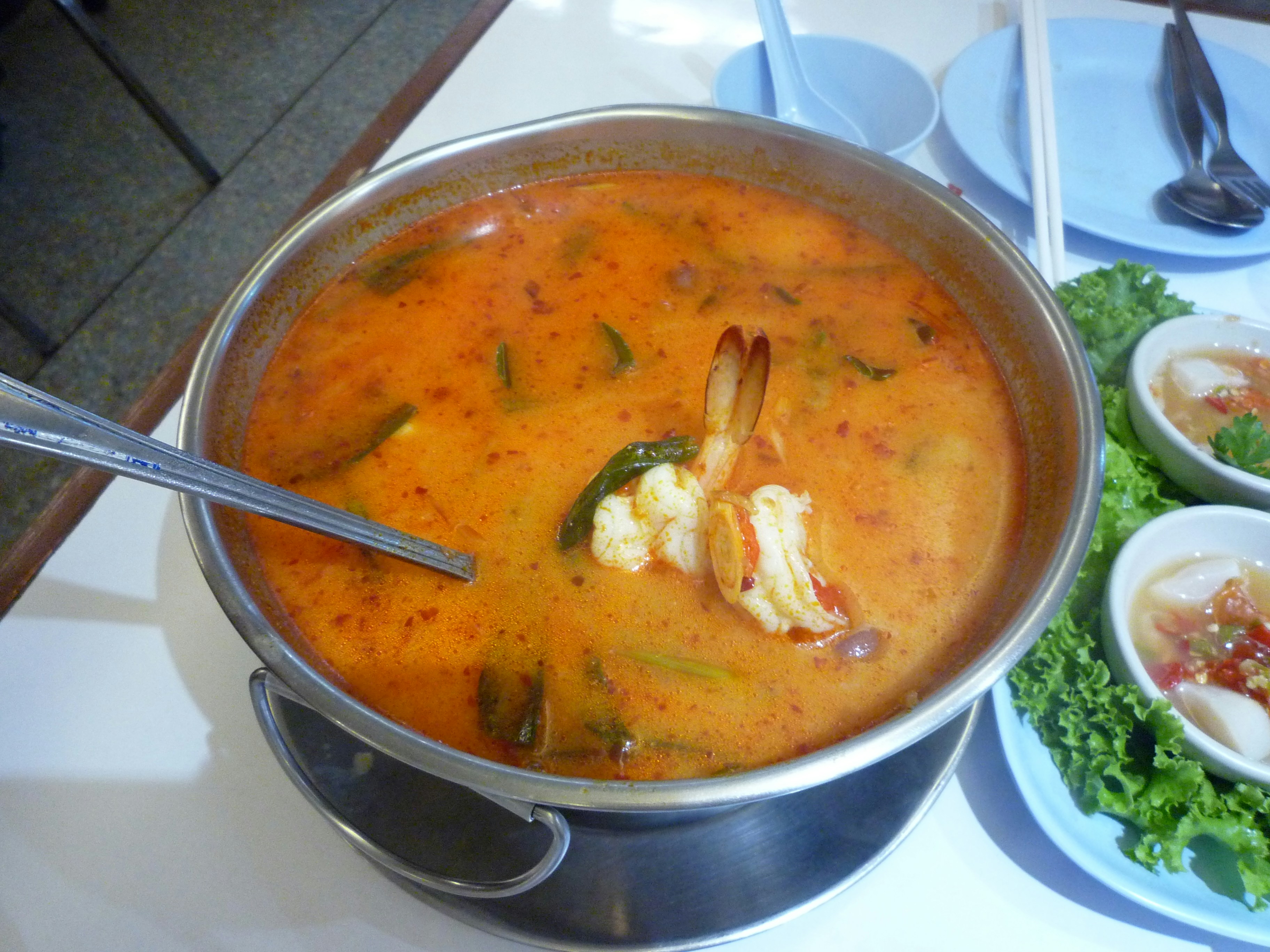
If you’ve ever ordered tom yum soup at a Thai restaurant and wondered how to recreate that complex, electrifying broth at home, you are not alone. Getting the balance of sour, spicy, and savory right is the difference between a good soup and a great one. This guide covers everything you need to know about making an authentic tom yum soup thai recipe — from essential ingredients and step-by-step cooking methods to common pitfalls and practical tips for perfecting the dish in your own kitchen. Whether you are a seasoned cook or trying Thai cuisine for the first time, the goal here is to give you the confidence to produce a bowl of tom yum that rivals your favorite restaurant.

What Is Tom Yum Soup?
Tom yum is a Thai hot and sour soup that is widely considered one of the country’s signature dishes. The name itself is descriptive: “tom” refers to the boiling process, and “yum” means a mixed salad or a spicy and sour salad-like dish. The defining characteristic is its bold, aromatic broth, which is built from fresh herbs and spices rather than heavy creams or stocks.
It helps to distinguish tom yum from other popular Thai soups. Tom kha, for example, uses coconut milk as a primary ingredient, giving it a creamy, rich texture. Tom yum nam khon is a creamier version that adds a small amount of evaporated milk or coconut milk at the end, but the base remains clear and aromatic. The classic version, however, is a clear broth that lets the flavors of galangal, lemongrass, kaffir lime leaves, and chilies shine.
Common variations include tom yum goong (with shrimp), tom yum gai (with chicken), and tom yum pla (with fish). Shrimp is the most traditional protein, but the technique and broth remain largely the same across the board. If you are new to Thai cooking, expect a broth that is simultaneously spicy, sour, slightly salty, and deeply aromatic — a flavor profile that is both invigorating and satisfying.
Key Ingredients for Authentic Tom Yum Soup
The magic of tom yum lies in its ingredient list. Each component has a specific role, and skipping or substituting one often leads to a broth that falls flat. Here is what you need for an authentic version.
Galangal
Galangal is a rhizome that looks similar to ginger but has a completely different flavor — piney, citrusy, and slightly medicinal. It provides the aromatic backbone of the soup. Fresh galangal is ideal, but frozen slices work well and are easier to find outside of Asia. Do not substitute ginger. Ginger is sweeter and lacks the sharp, resinous quality that makes tom yum distinctive.
Lemongrass
Lemongrass adds a bright, lemony note without the acidity of actual lemon juice. Use only the lower, pale part of the stalk, and bruise it with the back of a knife before adding it to the broth to release the essential oils. Fresh lemongrass is widely available, but dried or frozen varieties work in a pinch.
Kaffir Lime Leaves
These leaves contribute a floral, citrusy fragrance that is unmistakable. They are usually torn or shredded before being added to the broth. Fresh or frozen leaves are far superior to dried ones, which lose most of their volatile oils. You can find them at Asian markets or order them online. For those who need a reliable source, a bundle of fresh or frozen kaffir lime leaves is worth keeping on hand.
Bird’s Eye Chilies
These small, fiery chilies provide the heat. The level of spiciness can be adjusted by how many you use and whether you leave them whole (milder) or crush them (hotter). For a less intense heat, remove the seeds. Thai bird chilies are the standard, but serrano or cayenne can work if you cannot find the real thing.
Shrimp
Tom yum goong is the most common version, and medium to large shrimp (prawns) work best. Shell-on shrimp add more flavor to the broth, but peeled shrimp are easier to eat. If using frozen shrimp, thaw them completely before cooking.
Fish Sauce
Fish sauce provides the salty, umami base. It is a non-negotiable ingredient. Premium brands like Red Boat or Squid are worth seeking out for their clean, complex flavor. Cheap fish sauce can be overly salty or harsh.
Lime Juice
Fresh lime juice is essential for the sour component. Bottled lime juice will not give you the same bright, acidic finish. Add it at the very end of cooking, off the heat, to preserve its freshness.
Mushrooms and Cilantro
Straw mushrooms are traditional, but button or oyster mushrooms are fine substitutes. Cilantro (coriander) leaves are used as a garnish. Some recipes also include tomato slices or a little chopped green onion.
If you are shopping online, look for premium fish sauce or spice kits that include dried galangal and lemongrass — these are often available on Amazon and can save a trip to a specialty store. A good mortar and pestle is also handy for pounding chilies and garlic, though a knife and cutting board will suffice.
How to Make Tom Yum Soup: Step-by-Step Method
This method produces a clear, broth-based version with shrimp. Adjust the spiciness and sourness to your liking as you go.
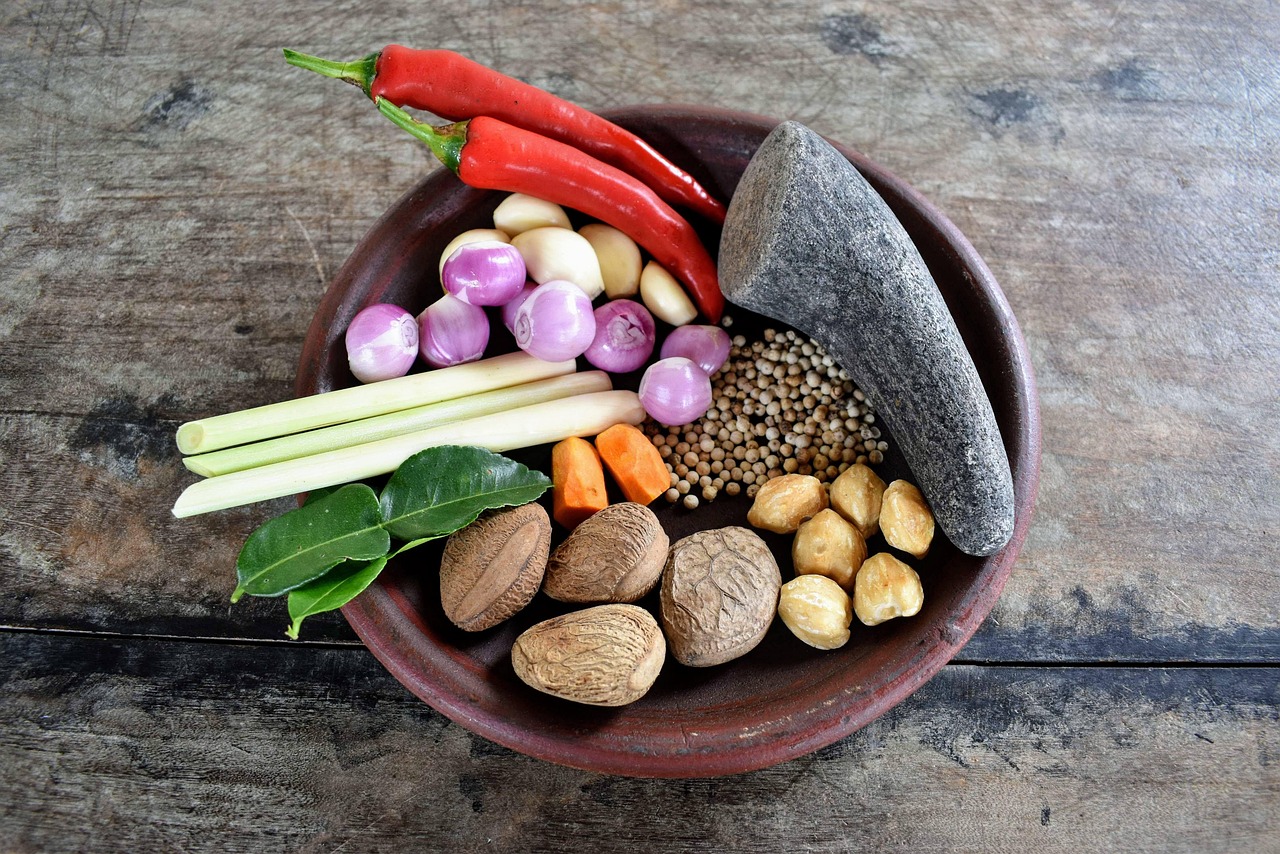
Ingredients
- 4 cups good-quality chicken or shrimp stock
- 3 stalks lemongrass, bruised and cut into 2-inch pieces
- 5-6 slices galangal (fresh or frozen)
- 4-5 kaffir lime leaves, torn
- 3-4 bird’s eye chilies, bruised
- 8-10 medium shrimp, shell-on or peeled
- 1 cup mushrooms, halved
- 2 tablespoons fish sauce
- 2-3 tablespoons fresh lime juice
- Fresh cilantro and sliced green onions for garnish
Instructions
- Prepare the broth base. In a medium pot, bring the stock to a gentle boil. Add the lemongrass, galangal, kaffir lime leaves, and chilies. Reduce the heat to a low simmer and let the aromatics infuse for 10-12 minutes. Do not boil aggressively — gentle infusion preserves the delicate aromas.
- Add the mushrooms. After the aromatics have infused, add the mushrooms and cook for 2-3 minutes until tender.
- Cook the shrimp. Add the shrimp and cook just until they turn pink and opaque — about 2-3 minutes. Overcooking shrimp makes them rubbery, so watch carefully. If using shell-on shrimp, you may need an extra minute.
- Season. Remove the pot from the heat. Stir in the fish sauce to taste. You want the broth to taste salty but not overwhelmingly so.
- Add lime juice. Stir in the lime juice off the heat. This preserves the bright, fresh acidity. Start with 2 tablespoons and add more if needed. The broth should have a clear sour kick that balances the heat and salt.
- Taste and adjust. If the soup is too spicy, add a little more stock or a pinch of sugar. If it is not sour enough, add more lime juice. If it is not salty enough, add a splash of fish sauce.
- Serve immediately. Ladle into bowls, garnish with cilantro and green onions. Tom yum is best served hot, right after cooking. The flavors fade as it sits.
Pro tip: For a deeper flavor, reserve the shrimp shells and simmer them in the stock for 10 minutes before straining. This is a common restaurant technique that adds a layer of briny richness.

Tom Yum Variations: Which One Should You Try?
Tom yum is versatile, and the best version depends on your ingredients, dietary needs, and mood. Here is a quick comparison to help you decide.
Tom Yum Goong (Shrimp)
This is the classic and the most widely recognized. The shrimp adds a delicate sweetness that pairs perfectly with the spicy-sour broth. Choose this if you want the most authentic experience and can find good-quality fresh or frozen shrimp.
Tom Yum Gai (Chicken)
Chicken creates a heartier, more filling soup. Use boneless, skinless chicken thighs or breast, sliced thinly. This version is great for a main course, especially if served over rice. It is also a good option if shrimp is not available or too expensive.
Vegetarian Tom Yum
For a plant-based version, skip the shrimp and chicken and use a generous amount of mushrooms plus tofu. Use vegetable stock and a good-quality soy sauce or mushroom seasoning in place of fish sauce. The broth will still be flavorful, though it will lack the briny depth of the seafood version. This is a solid choice for vegans or anyone looking for a lighter meal.
Tom Yum Nam Khon (Creamy Version)
Some people prefer a richer, creamier broth. Near the end of cooking, stir in ½ cup of coconut milk or evaporated milk. This mellows the heat and adds body. It is a popular variation in restaurants, especially for those who find the clear version too intense. Try it if you want a soup that feels more like comfort food.
Common Mistakes When Making Tom Yum Soup
Even experienced home cooks can make missteps with this dish. Here are the most frequent errors and how to avoid them.
Using ginger instead of galangal. This is the most common substitution, and it fundamentally changes the flavor. Ginger is sweeter, more pungent, and lacks the piney, citrusy notes of galangal. If you cannot find galangal, consider using a pinch of dried galangal powder rather than fresh ginger.
Skimping on aromatics. Tom yum’s flavor comes from the generous use of lemongrass, galangal, and kaffir lime leaves. Cutting back on these ingredients results in a weak, one-dimensional broth. Be bold — use whole stalks, several slices, and multiple leaves.
Adding lime juice too early. Lime juice should always be added off the heat, just before serving. If you add it while the soup is still boiling, the acidity dissipates and the soup will taste flat. It also makes the shrimp tough.
Overcooking the shrimp. Shrimp cook in 2-3 minutes. Leaving them in the hot broth for longer turns them rubbery. Cook them just until pink, then remove the pot from the heat immediately.
Using dried herbs. Dried lemongrass, dried galangal, and dried kaffir lime leaves have very little flavor compared to fresh or frozen versions. They are acceptable in an emergency, but the difference in quality is significant. If you must use dried, double the quantity and increase the infusion time.
Boiling the broth too vigorously. A rolling boil can cloud the broth and make the aromatics break down into mush, muddying the flavor. Keep it at a gentle simmer.
Essential Tools for Making Tom Yum Soup
You do not need a full Thai kitchen to make tom yum, but a few specific tools make the process smoother and the results better.
- A good stockpot or heavy-bottomed pot. A 3- to 4-quart pot is ideal for a batch that serves 2-4 people. A heavier pot distributes heat evenly and prevents scorching.
- A mortar and pestle. While not essential, a granite or ceramic mortar and pestle is excellent for bruising lemongrass and pounding chilies and garlic into a paste. A knife and cutting board work, but a mortar releases more flavor.
- A fine-mesh strainer. If you prefer a clear broth without floating herb pieces, strain the soup after infusing the aromatics. This is optional but gives a cleaner presentation.
- A citrus juicer. Fresh lime juice is non-negotiable. A simple hand-press juicer makes extracting juice fast and mess-free.
- A shrimp deveiner. If you buy shell-on shrimp, a small deveiner tool saves time and ensures clean preparation. A sharp paring knife also works.
Most of these items are available on Amazon as affordable kitchen staples.
Where to Source Authentic Ingredients Online
If you do not live near an Asian grocery store, finding fresh galangal, lemongrass, and kaffir lime leaves can be frustrating. Fortunately, several online retailers specialize in Thai and Southeast Asian ingredients.
Amazon carries frozen galangal slices, frozen lemongrass, and frozen kaffir lime leaves from brands like Thai Kitchen or dried versions from Spice Jungle. Frozen ingredients are a practical alternative to fresh because they maintain much of the flavor and keep for months in the freezer. For a convenient one-stop option, a frozen Thai herb pack can simplify sourcing.
Specialty spice shops like Savory Spice Shop or Penzeys often carry dried galangal and lemongrass, though as noted, dried is less potent. Look for whole, dried slices rather than powders if possible.
Online Asian grocers like ImportFood or Thai Grocery offer fresh and frozen ingredients shipped directly. These sources are reliable but may have higher shipping costs. Ordering a bundle with lemongrass, galangal, and kaffir lime leaves together often saves on shipping.
For fish sauce, Red Boat 40°N is widely available on Amazon and is considered one of the best premium brands. A single bottle lasts a long time. You can also find tom yum paste (like Lobo brand) for a shortcut, though the flavor is less nuanced than using fresh ingredients.
When storing ingredients: freeze galangal slices, whole lemongrass stalks, and kaffir lime leaves in a sealed bag — they will keep for up to six months. Fresh bird’s eye chilies can be frozen whole or chopped for later use.

How to Serve and Pair Tom Yum Soup
Tom yum is versatile in how it can be served. As a starter, a small bowl is enough to awaken the palate. As a main course, serve it alongside steamed jasmine rice or with rice noodles (sen lek or vermicelli) added directly to the broth.
Traditional accompaniments include a small dish of fresh cilantro leaves, sliced green onions, chopped fresh chilies, and a wedge of lime. Some people like to sprinkle a little more chili powder or drizzle extra fish sauce on top. A side of crispy spring rolls or fresh spring rolls complements the soup well.
For beverages, a cold Thai iced tea (chaa yen) is a classic choice — its sweetness balances the heat. A light lager like Singha or Chang is also popular. If you prefer wine, a crisp, off-dry Riesling or an unoaked Sauvignon Blanc works with the spicy, acidic broth. Avoid heavy reds or oaky whites, which clash with the flavors.
How This Recipe Compares to Restaurant Tom Yum
Many people wonder if homemade tom yum can match what they get at a Thai restaurant. The honest answer is: yes, but with some tradeoffs. Thai restaurants often use shrimp stock made from boiling shrimp shells, heads, and sometimes pork bones for extra richness. They may also use commercial tom yum paste or concentrate for consistency and speed.
At home, you can replicate much of that depth by simmering shrimp shells in your stock for 10-15 minutes before discarding them. Using a good-quality chicken stock or homemade shrimp stock as the base makes a noticeable difference. The advantage of cooking at home is that you control the freshness of every ingredient — no stale herbs or pre-processed bases. You can also adjust the spiciness and sourness to your exact preference, which is rare in a restaurant setting.
If you want a restaurant-level result, invest in fresh aromatics, let the broth infuse properly, and finish with a generous squeeze of lime juice off the heat. The rest is technique and a little patience.
Final Tips for Perfecting Your Tom Yum
By now, you have the foundational knowledge. Here are the most important takeaways to keep in mind.
Balance is everything. Taste as you go. The broth should be spicy, sour, and salty in equal measure. If one element dominates, the soup will feel off. A pinch of sugar can round out harsh edges.
Use fresh aromatics. There is no substitute. If you cannot source fresh galangal or kaffir lime leaves, frozen is a close second. Avoid dried unless absolutely necessary.
Serve immediately. Tom yum does not reheat well. The herbs become bitter, the shrimp turns rubbery, and the lime flavor fades. Make only what you plan to eat in one sitting.
Make a double batch of broth base. Strain the aromatics from a large batch of infused stock, cool it, and freeze it in portions. When you want tom yum on a busy night, just thaw the base, add fresh shrimp and mushrooms, and finish with lime and fish sauce. This saves time without sacrificing quality.
Now is the time to try it. Whether you are cooking for yourself or for guests, a bowl of homemade tom yum is a rewarding experience. Adjust the heat to your liking, use the best ingredients you can find, and enjoy the process. If you make it, share what you learned — the best recipes evolve through shared experience.