Why Visit Petra? A Quick Overview
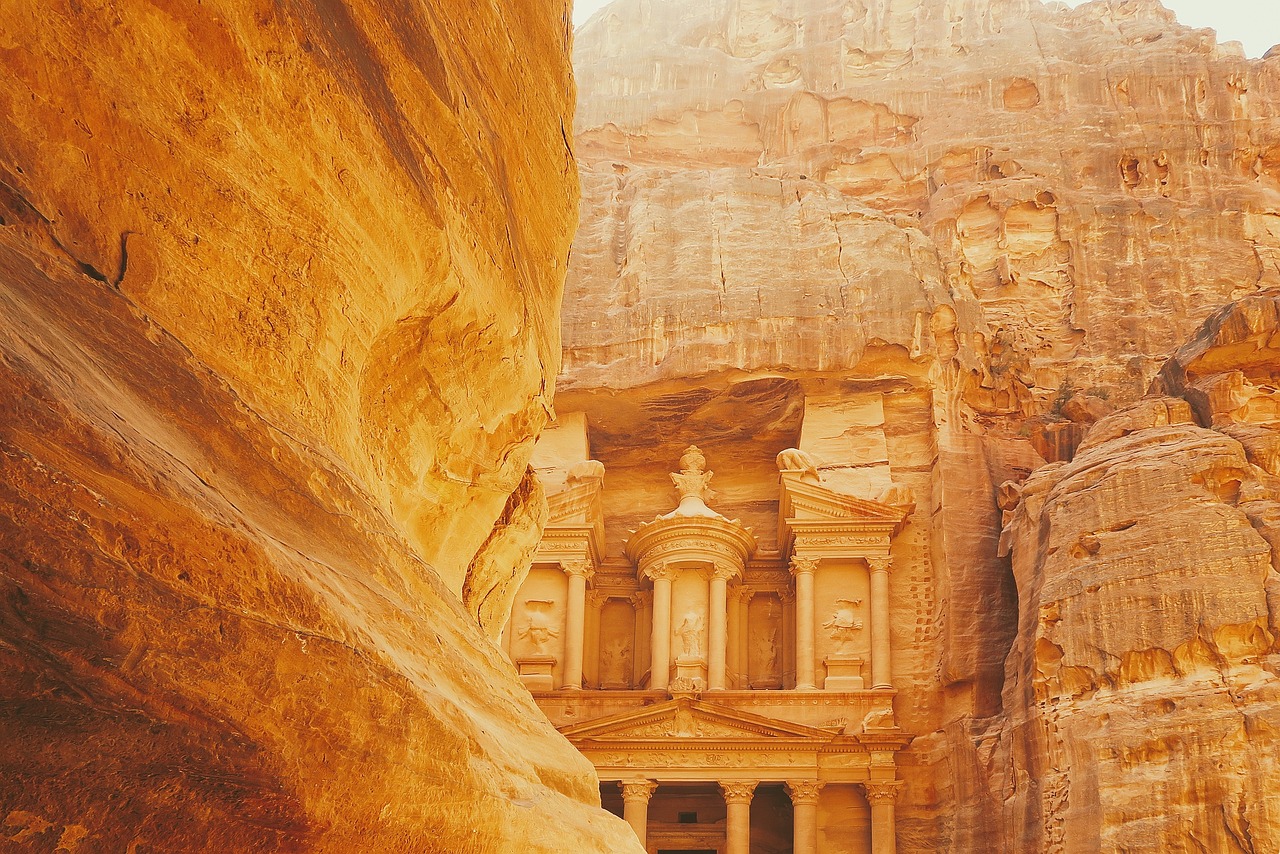
Petra is one of those rare places that actually delivers on the hype. It’s a UNESCO World Heritage Site, the centerpiece of Jordan, and the main reason many travelers come to this part of the Middle East. What catches most people off guard is just how massive it is. You don’t just look at Petra—you walk through it, climb over it, and spend a full day (or more) trying to wrap your head around its scale.
The city was carved into rose-red sandstone cliffs by the Nabateans over two thousand years ago. They were master engineers who built an entire civilization around water management and trade routes. What remains today is a sprawling archaeological park that covers over 100 square miles. That classic image of the Treasury seen through the narrow Siq is only the beginning.
For first-time visitors, the real challenge isn’t deciding whether to go—it’s figuring out how to see as much as possible without burning out. This petra jordan travel guide is for independent travelers who want practical advice on logistics, timing, packing, and what to expect. If you’re still in the research phase, this should help you plan your visit.

Best Time to Visit Petra for an Optimal Experience
Getting the timing right for Petra makes a real difference. The site is exposed, the walking is demanding, and crowds can kill the magic if you’re not prepared.
Spring (March to May) and fall (September to November) are the sweet spots. Daytime temperatures usually sit in the 60s to 80s Fahrenheit (15-30°C)—comfortable for walking the Siq and climbing the 800+ steps to the Monastery. Crowds are reasonable too, especially if you arrive early. March and November can be a bit cooler, but still pleasant with a light jacket. These months give you the best balance of good weather and fewer visitors.
Summer (June to August) is brutally hot. Temperatures regularly top 100°F (38°C) by midday. The walk from the entrance to the Monastery takes about two hours one way, and the exposed sections will drain you fast. If you have to visit in summer, start at 6 a.m. and plan to be done by noon. Bring at least two liters of water per person. On the upside, hotel prices are lower and crowds are smaller if you avoid peak European holiday weeks.
Winter (December to February) is quiet and cold. Daytime highs can drop into the 50s (10-15°C), and rain is possible. You’ll have the site almost to yourself, which is a real treat if you want uninterrupted photos of the Treasury. But the Monastery climb can get slippery when wet, and some trails close after heavy rain. If you’re flexible and don’t mind layering up, winter offers a different—and more intimate—Petra experience.
For most first-time visitors, April or October are your best bets. You get reliable weather, manageable crowds, and enough daylight to explore without rushing.
How to Get to Petra: Entry Points and Transportation
Petra sits in Wadi Musa, a small town in southern Jordan. You’ll most likely arrive from one of three main entry points: Amman, Aqaba, or Wadi Rum.
From Amman (the capital): The drive takes about three hours via the Desert Highway. It’s a straightforward route, but you’ll want a rental car or private transfer for flexibility. The public JETT bus runs a daily service from Amman to Petra during high season, leaving around 6:30 a.m. and arriving by noon. It’s reliable but not frequent, so book ahead. On a budget? Check with local hostels—many offer shared shuttle options for around 10-15 JD per person.
From Aqaba: Aqaba is closer, about a 90-minute drive. If you’re coming from the Red Sea coast, a taxi or private transfer is easiest. Expect to pay around 40-50 JD for a one-way trip. There’s no direct public bus, but some tour companies run day trips from Aqaba if you’re short on time.
From Wadi Rum: This is a common two-day itinerary—spend a night in the desert, then drive to Petra the next morning. The drive takes about 45 minutes. Many desert camps arrange shared transfers, or you can hire a taxi from the visitor center in Wadi Rum village. It’s a short, scenic drive.
Entering Jordan from Israel: If you’re crossing via the King Hussein Bridge near Jerash or the Yitzhak Rabin/Wadi Araba crossing near Aqaba, you can take a taxi from the border to Petra. It’s doable but requires some advance planning. Expect longer wait times at the border, especially in peak season. Most travelers crossing from Israel base themselves in Amman for a night before heading to Petra.
Road conditions in Jordan are generally good, but the Desert Highway can be monotonous and windy. Navigation apps like Google Maps work fine with a local SIM card. If you’re driving, fill up your tank in a larger city—fuel stations are scarce around Wadi Musa.
Petra Entry Fees and Ticket Options (Jordan Pass Explained)
Petra isn’t cheap to enter, which is why the Jordan Pass is so useful for most visitors. Let’s break down the costs.
A standard one-day ticket costs 50 Jordanian Dinars (JD), roughly $70 USD. A two-day pass is 55 JD, and a three-day pass is 60 JD. That’s only 5 JD more per day, so if you have time, the three-day pass is excellent value. You can enter anytime during the validity period—no need to go on consecutive days.
The Jordan Pass is a government program that bundles entry fees to most major sites (including Petra) with your visa fee for entering Jordan. If you stay at least three nights, the Jordan Pass effectively waives the visa cost (normally 40 JD). The Jordan Pass costs 70 JD for one day in Petra, 75 JD for two days, and 80 JD for three days. That’s only 20-25 JD more than a standard ticket—and it covers entry to dozens of other sites like Jerash, the Dead Sea, and Wadi Rum.
For most travelers, the Jordan Pass is a no-brainer. You save money and avoid buying separate tickets at each site. The one exception: if you’re only in Jordan for Petra (say, a one-night stopover), the pass probably isn’t worth it. Otherwise, buy the pass online before you arrive and pick it up at the airport or download it to your phone.
Children under 12 enter free with a paying adult. Students with valid ID get a 50% discount. Pay in cash at the ticket counter (no ATMs inside the park) or use a credit card. Arrive early—lines can get long by 9 a.m.
What to Wear and Pack for a Day at Petra
Packing for Petra isn’t about fashion—it’s about survival. You’ll walk between 5 and 12 miles depending on how much you explore, with plenty of uneven terrain, exposed sections, and steep climbs.
Footwear: This is the most important choice. Hiking shoes or trail runners with good grip are best. Sneakers with flat soles will leave your feet sore by midday. If you’re visiting in summer, breathable fabrics matter. Skip open-toed sandals unless you’re very experienced hiking in them—the rocky paths and loose gravel are unforgiving.
Sun protection: A wide-brimmed hat is essential. Sunscreen (high SPF, water-resistant) needs reapplying every couple of hours. Sunglasses with UV protection help with the glare off the sandstone. A UV-protective long-sleeve shirt is a practical alternative to constant sunscreen reapplication—lightweight options from brands like Columbia or Patagonia work well. Travelers who prefer a dedicated UV sun shirt for hiking can find many lightweight and packable choices to stay protected without the hassle.
Layers: Even in spring or fall, temperatures can swing 20 degrees between morning and midday. A light jacket or fleece is fine for the first hour. By 10 a.m., you’ll probably be down to a t-shirt. In winter, pack a proper windproof layer and a warm hat—the wind in the Siq can be biting.
Hydration: Carry at least two liters of water per person. There are small shops inside the park selling water and snacks, but they charge a premium. A hydration pack or a large reusable water bottle (like a Nalgene or Hydro Flask) is your best bet. The tap water in Wadi Musa isn’t drinkable, so stick to bottled or filtered. A hydration pack for day hiking is a practical choice for a full day on the trails; it keeps water accessible and leaves your hands free.
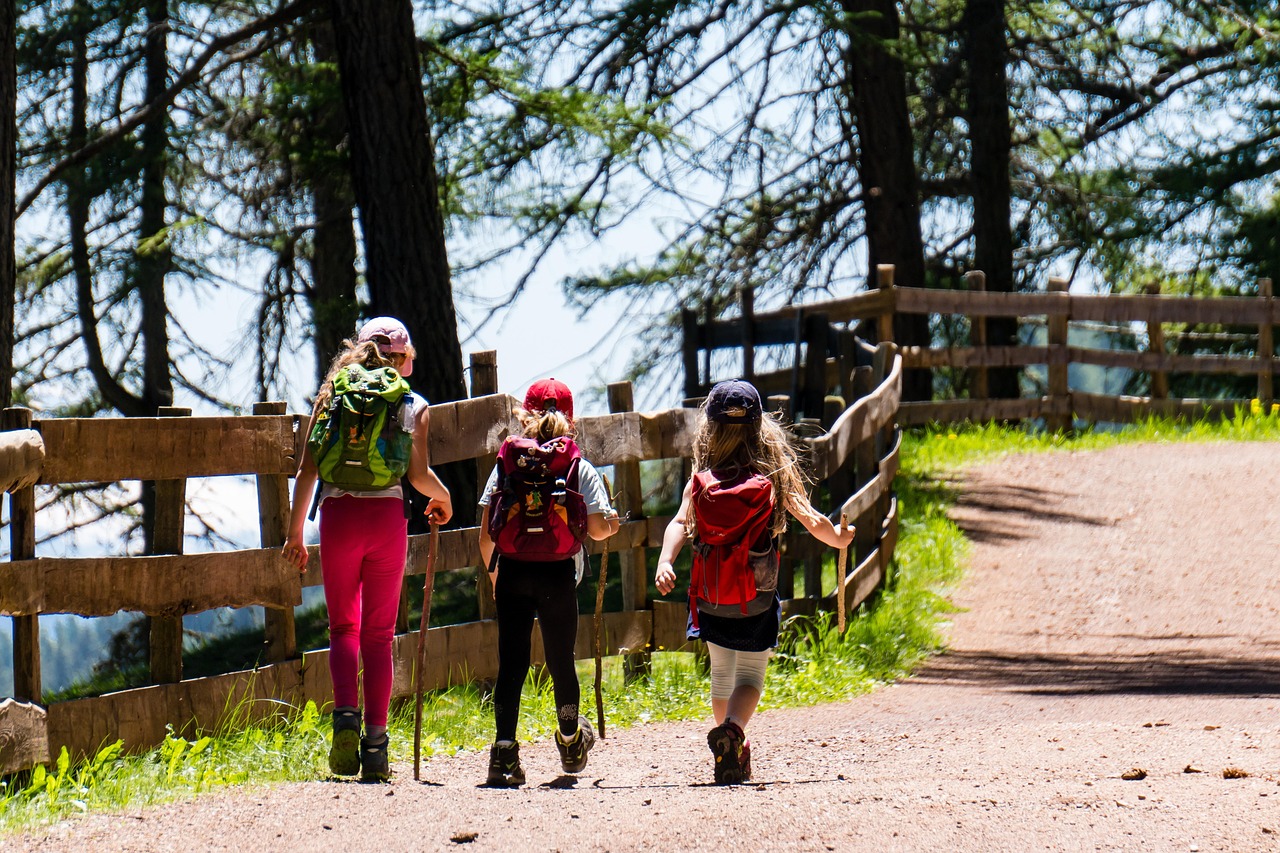
Other essentials: A small backpack for your water, snacks, camera, and layers. Trekking poles can help on the Monastery climb if you have knee issues. A scarf or buff is useful for dust or sun. Cash is critical—there are no ATMs inside the park, and most small vendors only take cash.
If you’re looking for specific gear, a UV sun shirt, trekking poles, and a hydration pack are the three items that will make your day noticeably more comfortable. They’re easy to find on Amazon and worth the investment if you hike regularly.

The Main Trail: What You’ll See from the Siq to the Monastery
The classic route through Petra is straightforward: walk through the Siq, emerge at the Treasury, continue past the Street of Facades and Royal Tombs, then climb to the Monastery and return. It’s about 5 miles one way, but with stops and side trails, you’re looking at 4-6 hours minimum.
Start early—before 7 a.m. if possible. The entrance is a 10-minute walk from the visitor center. From there, you enter the Siq, a narrow canyon that winds for about a mile. The walk is flat and shaded, with water channels carved into the rock walls. The colors shift from red to orange to pink as the sun filters through. It takes about 20-30 minutes at a steady pace.
The Treasury (Al-Khazneh) appears suddenly at the end of the Siq. This is the famous photo spot, and it’s worth a pause. The facade is 40 meters high, and the detail is incredible. Early morning (before 8 a.m.) gives you the best light and the smallest crowds. By 10 a.m., it’s packed.
Continue through the main outer canyon. Past the Treasury, you’ll see the Street of Facades—a row of smaller tombs carved into the cliffside. Then comes the Theater, a Nabatean amphitheater cut into the rock. After that, the Royal Tombs appear on your left. These are massive and less crowded than the Treasury. The Urn Tomb is particularly impressive and offers good shade for a rest stop.
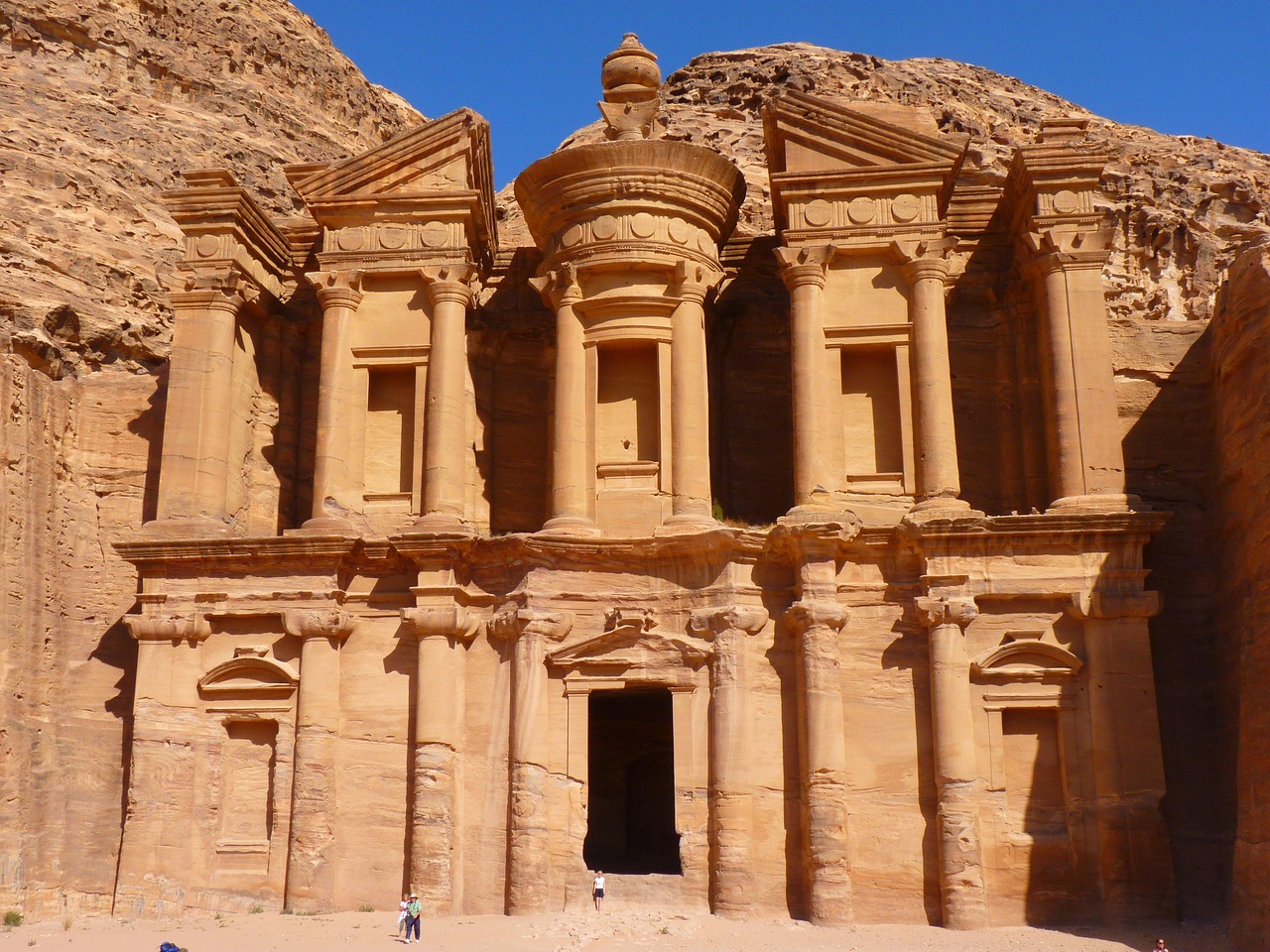
From the Royal Tombs, the path to the Monastery (Ad-Deir) is about a 30-minute walk along a flat, dusty road. Then you face the climb: 800+ steps carved into the rock, some steep and uneven. It takes 20-40 minutes depending on your fitness level. The view at the top is worth it—the Monastery facade itself, plus a panoramic view of the valley below.
Return the same way. The total loop is about 8 miles if you walk to the Monastery and back. If you’re tired, donkeys are available for hire (around 20 JD) to take you up or down, though you’ll need to negotiate. Golf carts run from the visitor center to the Siq entrance, but they don’t go deeper into the site.
My advice: walk to the Treasury, see the Royal Tombs, and then decide if you have the energy for the Monastery. If you’re only in Petra for one day, prioritize the Monastery over the smaller side trails. It’s the highlight for most visitors.
Lesser-Known Spots in Petra Worth Your Time
Most visitors stick to the main trail and miss some of Petra’s best corners. If you have a second day—or even an extra afternoon—these spots offer quieter exploration and a better sense of place.
The High Place of Sacrifice: This is a short but steep detour off the main trail, just past the Theater. The climb takes 30-45 minutes and offers stunning views over the entire site. At the top, you’ll find a Nabatean altar used for religious rituals. It’s one of the best spots for sunset photos, and you’ll often have it mostly to yourself. The path is rough, so sturdy shoes are essential.
Al-Beidha (Little Petra): Located about 15 minutes north of the main entrance, Little Petra is a smaller Nabatean site with well-preserved caves, a dining hall, and incredible frescoes in the Painted House. Entry is free with your Petra ticket. It’s much quieter than the main site, and you can explore it in about an hour. Many travelers skip it, which is a shame—it gives you a sense of what Petra felt like before the crowds.
The Monastery at Sunset: I’m cheating a bit—this is on the main trail—but visiting the Monastery in the late afternoon (after 4 p.m.) changes the experience completely. The crowds thin out, the light turns golden, and the climb feels cooler. If you can time it right, this is the most peaceful hour in all of Petra. Bring a headlamp for the descent if you stay until dark.
These spots reward the effort. If you’re fit and have the time, they turn a good visit into a memorable one.
Petra by Night vs. Daytime Exploration: Which Is Better?
Petra by Night is an evening event held three times a week (Monday, Wednesday, Thursday) from 8:30 p.m. to 10:00 p.m. You walk through the Siq lit by hundreds of candles, sit in front of the Treasury, and listen to traditional Bedouin music and stories. The experience costs 17 JD per person.
Is it worth it? That depends on what you’re after. The walk itself is atmospheric—there’s something special about following the candlelit path through the Siq without the daytime crowds. The music performance is simple but authentic. But the crowd can be large (100-200 people), and the program is short. You’re essentially sitting on the ground for 45 minutes of music followed by a short walk back.
For culture seekers who want a unique after-dark experience, Petra by Night is a solid addition. It’s not a replacement for daytime exploration—you only see the Treasury, not the rest of the site. And you’ll still need a regular entry ticket for the following morning.
For logistics-focused travelers or those on a tight schedule, it’s an easy skip. The cost adds up, and the experience is more about atmosphere than education. If you’d rather spend your evening resting for an early morning start or eating a good dinner in Wadi Musa, that’s a perfectly valid choice.
My advice: do it if you have two days in Petra and want something different. Skip it if you’re only here for one day—use the time instead to explore more of the site during daylight.
Common Mistakes First-Time Visitors Make (and How to Avoid Them)
I’ve seen these mistakes over and over, and they consistently turn a great day into a frustrating one. Here’s how to avoid them.
Not starting early enough. The site opens at 6 a.m. in summer and 7 a.m. in winter. If you arrive at 9 a.m., you’re already competing with tour buses. The best photos of the Treasury happen between 6:30 and 8 a.m., when the light hits the facade directly. The worst mistake is showing up at noon and wondering why everything feels rushed and crowded.
Underestimating the heat. Even in spring, the sun is strong. By 11 a.m., the exposed sections of the trail are baking. Bring water, a hat, and sunscreen. If you’re not used to the heat, plan strenuous activities (like the Monastery climb) for early morning or late afternoon.
Skipping Little Petra. Most visitors walk straight to the Treasury and then turn around. Little Petra is a 15-minute drive away, requires no extra ticket, and offers a completely different experience. It’s quieter, smaller, and gives you a better sense of Nabatean life. Don’t skip it just because it’s not on the main path.
Not carrying enough water. Two liters per person is the bare minimum for a full day. There are small shops inside the park, but they charge 2-3 JD for a 500ml bottle. Carry your own and refill at the visitor center before entering. If you’re hiking to the Monastery, take at least three liters.
Ignoring the Monastery climb difficulty. The climb isn’t impossible, but it’s more challenging than most guidebooks suggest. It’s steep, uneven, and exposed. If you have knee problems, use trekking poles or hire a donkey. Many people try it without enough water or rest and end up turning back halfway. Plan for a 40-minute climb without rushing, and take breaks in the shade. Trekking poles for hiking can provide significant support on the uneven steps and reduce strain on your knees during the descent.
Avoid these mistakes, and you’ll have a much smoother visit.
Where to Stay Near Petra: Practical Accommodation Options
Wadi Musa is the only real town near Petra, and it’s a compact, walkable hub of hotels, guesthouses, and restaurants. Your choice of accommodation comes down to budget, proximity to the entrance (about a 10-minute walk from most hotels), and amenities.
Budget options (under $50 USD per night): Guesthouses like the Petra Palace Hotel or the Movenpick Resort (yes, the Movenpick has basic rooms starting around $80 in low season—budget-friendly for a luxury brand). For true budget, look at small family-run guesthouses near the town center. They offer simple rooms, shared bathrooms in some cases, and breakfast included. They’re perfectly fine for a one-night stopover.
Mid-range options ($50-120 USD per night): This is the sweet spot. Hotels like the Petra Moon Hotel, the Best Western Plus, or the La Maison Hotel offer clean rooms, good breakfast, and often a pool. Many are within a 5-10 minute walk of the visitor center. Breakfast is usually included and tends to be hearty—eggs, bread, jam, tea, and sometimes local dips.
Luxury options ($150+ USD per night): The Mövenpick Resort Petra is the most well-known five-star option, located right at the entrance. It’s expensive but convenient—you can walk from your room to the Siq in under five minutes. The Petra Marriott and the Hyatt Regency Aqaba (farther away, but still popular) offer higher-end stays with better dining options. For most travelers, mid-range hotels provide all the comfort you need without the premium price.
Location matters: hotels closer to the entrance save you 15-20 minutes of walking each way. If you’re leaving early (before 7 a.m.), proximity to the visitor center is valuable. If you’re driving, some hotels offer free parking, but the main road into Wadi Musa can be steep and narrow.
Best Guided Tours vs. Exploring Petra Independently
The question of whether to take a guided tour depends entirely on how you like to travel. Both options have clear tradeoffs.
When a guide adds value: If you want deep historical context—the Nabatean water systems, the trading routes, the symbolism of the tombs—a guide is worth the cost. Good guides explain what you’re looking at and why it matters. They also help you navigate the site efficiently, especially if you’re only there for one day. Some guides offer private tours (around $60-80 for a full day) that include lunch and snacks. If you’re a history buff or traveling solo, this can be a great choice.
When to skip the guide: If you’re a photographer, an independent traveler, or someone who prefers moving at your own pace, you’re better off on your own. The main trail is well-marked, and you can download an offline map on your phone. Guided tours follow a set schedule—you’ll be rushed at the Monastery and held up at the Treasury. For a quick visit, self-exploration is cheaper and more flexible.
Best for first-time visitors: A half-day guided tour (covering the main sites) plus an afternoon on your own to explore side trails works perfectly. You get context without being tied to a group all day.
If you decide to book a tour, look for small groups (max 8-10 people) led by a licensed guide. Avoid the large bus tours—they’re impersonal and slow. Local guides in Wadi Musa often operate through hotels and guesthouses, so ask at check-in.

Final Tips for a Smooth Visit to Petra
Let me leave you with the key takeaways that make the biggest difference.
Start early. The site is best from 6 a.m. to 10 a.m. You get better light, fewer people, and cooler conditions. Aim to be at the Treasury by 7 a.m.
Bring cash. There are no ATMs inside the park, and most small vendors, donkeys, and local guides only take cash. Carry at least 40-50 JD in small bills.
Plan for a full day. A rushed visit does Petra a disservice. Budget at least 6-8 hours to see the main sites and one side trail. If you can, stay two nights and use the second day for Little Petra and the High Place of Sacrifice.
Pace yourself. The distances add up quickly. If you’re not used to hiking, start with the Siq and Treasury, rest at the Royal Tombs, and then tackle the Monastery. Don’t try to do everything in one go.
Use this petra jordan travel guide as your planning base. Book your Jordan Pass in advance, buy your water the night before, and confirm your transport the day you arrive. A little preparation turns a good trip into a great one.
Petra is worth the effort. It’s one of those destinations that sticks with you not because of the photos you take, but because of the hours you spend walking through history. Plan smartly, and you’ll leave with the kind of memories that make you want to come back.