Introduction
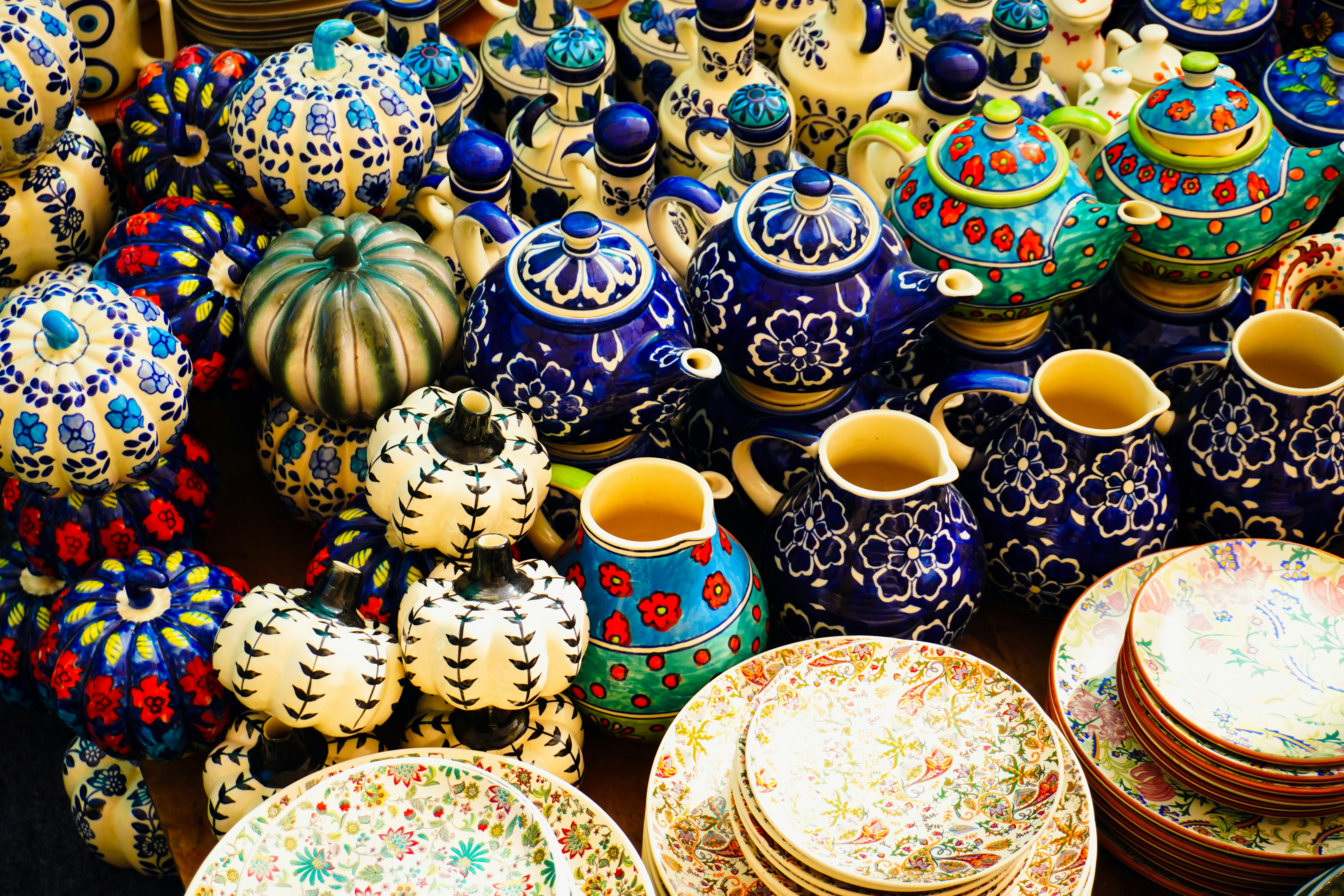
Mexican Talavera pottery is a tin-glazed earthenware with strict roots in a few specific regions of Mexico. It has a protected Denomination of Origin, meaning to be called Talavera, it must be made in Puebla, Atlixco, Cholula, or Tecali. This isn’t just a style guide; it’s a legal definition. Over the years, I’ve handled and collected hundreds of these pieces, learning the hard way what separates the authentic from the merely decorative. This article is designed to help you make a smart, confident purchase—whether you want a statement vase, a functional dinner plate, or a genuine piece of Mexican heritage. We’ll cover how to spot authentic pieces, which brands are worth your money, and what it really means to own and care for one. Let’s get past the tourist trinkets and find real mexican talavera pottery for your home.

What Exactly Is Mexican Talavera Pottery?
At its core, Mexican Talavera is a specific type of majolica—a tin-glazed earthenware—that can only be produced in sanctioned areas of the state of Puebla. The Denomination of Origin, formally recognized in 1998, wasn’t just a branding exercise; it was a move to protect the traditional process. The clay itself is a mix of locally sourced black and white clays, which gives it a distinct density and a subtle, warm off-white color after firing. The pieces are hand-thrown on a potter’s wheel, left to dry for weeks, fired at a high temperature (around 800°C), and then hand-painted with natural pigments. Most importantly, each piece must be certified by a governing council that checks everything from the clay recipe to the design. This is not mass-produced. If you are buying a piece that says “hand-painted in Mexico” but lacks a hologram, you are likely buying a decorative lookalike, not Talavera. Remember this: true Talavera is a craft regulated by law, not a generic souvenir.
How to Spot Authentic Mexican Talavera vs. Imitations
This is where the rubber meets the road for most buyers. There is a huge volume of imitations on the market, and they can look convincing to the untrained eye. Here is a practical checklist, based on years of experience, that will help you separate the real from the fake.
What to Look For in an Authentic Piece
The first thing to check is the back of the piece. Every authentic, certified piece of Talavera will have a backstamp that includes the manufacturer’s logo, the signature of the certifying council, and a unique verification hologram. This hologram is your single most reliable proof. Without it, you have no guarantee. On the front, look at the painting. True Talavera is painted freehand, so you will see slight natural variations in line thickness and symmetry. The colors should feel rich and natural—deep blues, yellows, greens, and oranges. The glaze should be smooth, glossy, and uniform across the surface, with no bubbling or pitting. Authentic pieces have a substantial weight. They feel solid, not hollow or lightweight.
Red Flags of an Imitation
If a piece has perfect, machine-like symmetry, chances are it was screen-printed or stenciled. Imitations often use brighter, more garish colors, like neon blue or hot pink, which are not in the traditional Talavera palette. The glaze on fakes is often cheaper, can appear thin or runny, and may chip easily around the edges. You might also see bubbles or pitting, which is a sign of improper firing. Most telling is the weight: fakes will often feel light and cheap for their size. The prices are a dead giveaway. A medium-sized, hand-painted plate from a certified workshop will cost between $50 and $150. A large, intricate vase can run from $200 to well over $500. If you see a “Talavera” plate for $10 or $20, you are almost certainly looking at an imitation.
| Feature | Authentic Mexican Talavera | Imitation / Fake |
|---|---|---|
| Backstamp | Manufacturer logo, council signature, hologram | No hologram; generic sticker or no marking |
| Painting | Freehand, with natural variation | Perfect, machine-like symmetry (screen-printed) |
| Colors | Rich, natural tones (blue, yellow, green) | Bright, neon, or garish shades |
| Glaze | Smooth, glossy, uniform | Thin, bubbly, pitted, or chipped |
| Weight | Heavy and substantial for its size | Feels light or hollow |
| Price | $50 – $500+ for medium pieces | Under $20 for a plate |
The Most Common Mistake Buyers Make (and How to Avoid It)
After identifying a fake, the most frequent error I see is assuming that all Talavera is dishwasher-safe or lead-free. This is a misconception that can cost you both your pottery and your health. Many authentic, high-quality Talavera pieces use a lead-based glaze to achieve that signature, glossy shine and exceptional durability. For display pieces, this is perfectly fine. But if you plan to use your pottery for food or drink, you need to verify it is specifically labeled “food safe” by the certifying council. Do not assume this is the case. The other common mistake is buying from a tourist market or a sidewalk vendor without checking for the hologram. I have seen countless travelers pay $50 for what they thought was a great deal, only to find a cheap, non-certified piece that chips after one wash. To avoid this, ask the seller directly for the certificate of origin or the certification number. A reputable seller will have no problem showing you the backstamp and hologram. If they cannot or will not provide this, walk away. Travelers who want to inspect the backstamp up close may benefit from a small jewelers loupe to verify the hologram details.

Comparing the Top Talavera Brands: Talavera de la Reyna, Uriarte, and Others
Once you know what to look for, the next decision is which brand to buy. Not all certified workshops are created equal, and the right choice depends on your budget and how you plan to use the piece. Here is a breakdown of the three main categories you will encounter.
Uriarte Talavera: The High-End, Investment-Grade Choice
Uriarte is the oldest continuously operating Talavera workshop in Puebla, founded in 1824. They are the gold standard for intricate, museum-quality work. Their colors are incredibly deep, their designs are complex, and the quality of the clay and glaze is exceptional. A single, small plate from Uriarte will easily start at $150 to $200, and large pieces can go for thousands. This is not a brand for everyday use. The pieces are delicate, with fine details that require careful handling. If you are buying a statement piece for a mantle or a collectors item, Uriarte is your best bet. It is an investment in craft history.
Talavera de la Reyna: The Mid-Range, Functional Workhorse
This is the brand I recommend most often for first-time buyers or anyone looking for functional kitchenware. Talavera de la Reyna strikes a perfect balance between tradition and practicality. They offer a wide range of patterns, from classic designs to more modern, colorful collections. Their pieces are certified, hand-painted, and generally more affordable—a medium plate or a small vase runs around $60 to $90, and dinner sets are available for a few hundred dollars. The glaze is thick, durable, and holds up well to regular handwashing. For everyday serving, a set of Talavera de la Reyna dinner plates is a fantastic choice.
Artisanal Workshops (e.g., Talavera Armando, Taller Casa de los Ángeles): The Unique Find
There are numerous smaller, family-run workshops in Puebla that produce certified Talavera. These are less commercial than the big brands. The quality can vary, but you often get a piece with a distinct, personal character that is missing from mass-produced items. For example, Talavera Armando is known for its bold, somewhat more rustic aesthetic and use of deeper blues. The pricing here is usually lower than Uriarte, often comparable to or slightly below Talavera de la Reyna. The trade-off is that the designs are less consistent and may have more visible brushstrokes. This is a great option if you want something truly one-of-a-kind and you do not mind a bit of handmade character. Buying from a smaller workshop requires more research, but the reward is a genuinely unique piece.

Practical Guide: Buying Talavera Online vs. In Person
Each method has clear pros and cons, and your choice depends on your priorities.
Buying In Person in Mexico
The biggest advantage is the ability to physically inspect the piece. You can check the backstamp, feel the weight, examine the glaze, and see the surface in good light. You can also negotiate on price, especially if you buy multiple pieces. The main drawback is the risk of breakage during travel. You must pack each piece individually in bubble wrap, carry them as carry-on if possible, and double-box everything. It’s a hassle, but your odds of getting exactly what you want are higher.
Buying Online
Buying online offers convenience and a wider selection, but it comes with a much higher risk of receiving an imitation. To minimize this risk, only buy from sellers who provide clear, close-up photos of the backstamp and hologram on the specific piece you are buying, not a stock image. Use payment methods like PayPal that offer buyer protection. I also recommend sticking to well-known, authorized retailers or brands you researched earlier. For a safe, hassle-free start, consider browsing Talavera dinner sets on Amazon from reputable sellers. This lets you bypass the risk of fake seller listings.
What to Expect: The Realities of Owning Talavera Pottery
Owning Talavera is a joy, but it is not as durable as a stoneware plate you might buy at a department store. Understanding its strengths and limitations will help you enjoy it for years without disappointment. The pottery is incredibly hard due to the high firing temperature. It will not chip from a simple bump. However, it will chip if you drop it on a hard surface. The glaze will also develop a fine network of cracks over time, known as “crazing.” This is a normal characteristic of tin-glazed pottery and is not a defect. In fact, many collectors appreciate the slight patina that develops with age. There are also some hard no-nos. Do not put Talavera in the microwave if it has any metallic decorations, as they can spark. Do not put it in the oven unless it is explicitly labeled oven-safe. And avoid thermal shock: never pour cold water into a hot Talavera pot or vice versa, as this can cause the glaze to crack completely.
Caring for Your Pieces: Cleaning, Storage, and Display
With proper care, your Talavera can last a lifetime. Here is a straightforward routine to follow.
Cleaning
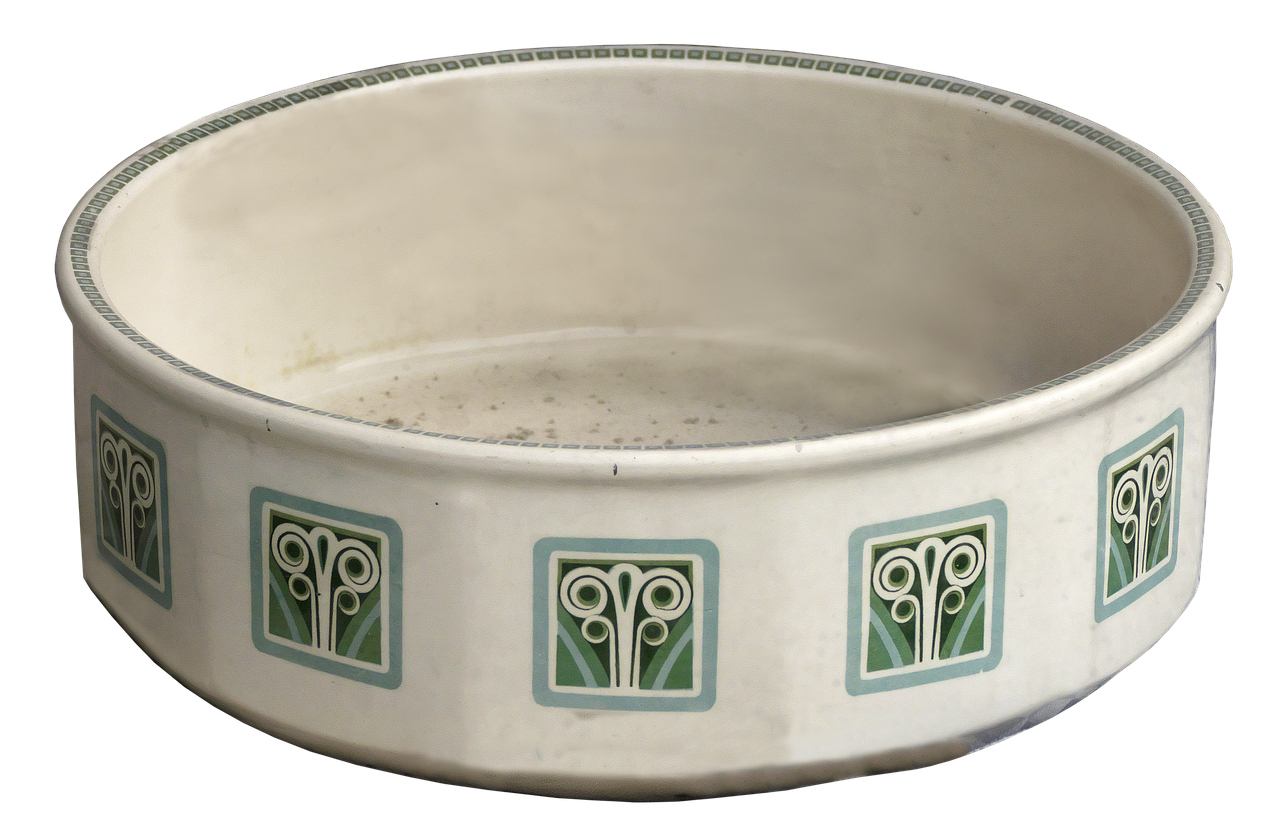
Always hand wash your Talavera with warm water, a mild dish soap, and a soft sponge. Do not use abrasive scrubbers or steel wool, as they will scratch the glaze. If you do use a piece for serving food, rinse it promptly after use to prevent stains. For stubborn stains, a paste of baking soda and water works well without scratching.
Storage and Display
If you stack plates, place felt pads or a paper towel between each one to prevent the glaze from scratching the surface of the plate below. Do not store them in direct sunlight for long periods; UV rays can cause the glaze to dull and the colors to fade over many years. For display, keep them out of high-traffic areas where they can be easily knocked over.
Special Note for Functional Use
Even if your piece is labeled food-safe, avoid leaving acidic foods like tomato sauce or citrus juice on the surface for extended periods. If the glaze is not perfectly sealed, the acid can interact with the clay, potentially leading to leaching. A quick wash after serving is all it takes to stay safe. For gentle storage, felt plate separators are a practical investment to protect your pieces.
Is Vintage Talavera a Good Investment?
The short answer is that vintage Talavera is a wonderful thing to own, but it is almost never a financial investment. The market for older pieces, especially those made before the mid-20th century, is small and focused on a few specific conditions. Value is driven by artist attribution, the rarity of a specific pattern, and the piece’s condition. A pre-1950s piece from a renowned artist in mint condition can be worth a good sum. But most pieces from that era, even if authentic, sell for a few hundred dollars. The primary reason to buy vintage is the history and the aesthetic patina that only age can provide. If you love the look and are prepared to pay a premium for a piece that has survived decades, go ahead. But do not buy it as a retirement plan. Modern, certified Talavera is a craft item made for use and enjoyment, not speculation.
Where to Start: Recommended Pieces for First-Time Buyers
If you are new to Talavera, I recommend starting small and focusing on versatility. This minimizes your risk and lets you see how you like the look and feel in your home before committing to a full set.
- A Small Platter: This is my top recommendation. A 10-inch platter can be used for serving appetizers, as a decorative centerpiece, or hung on a wall. It is a low-cost, high-utility entry point. Look for a simple, classic pattern from Talavera de la Reyna.
- A Set of Coasters: This is the lowest risk, lowest cost purchase. A set of four to six coasters gives you a daily interaction with the material and a pop of color on your coffee table. They are also a great gift.
- A Single Vase: If decor is your main goal, a 12-inch vase makes a strong statement. You can place it in a entryway, on a bookshelf, or as a centerpiece. It is a bit of a larger investment, but it transforms a room.
For a specific, proven option, I recommend the Talavera de la Reyna “Frida” collection. The designs are beautiful, the quality is reliable, and the plates are versatile for both display and serving. You can explore Talavera platters on Amazon to find a range of patterns.

Final Checklist: What to Verify Before You Buy
Before you hand over your money, run through this quick mental checklist. It will save you from the most common pitfalls.
- Backstamp and Hologram: Is there a manufacturer logo, a council signature, and a verification hologram on the back? If not, do not buy.
- Hand-Painted Label: Is it explicitly labeled as hand-painted? If it says “handcrafted” but not “hand-painted,” it may be stenciled or printed.
- Food Safety: If you plan to serve food on it, is it specifically labeled “food safe” by the certifying council? Do not assume.
- Seller’s Return Policy: Can you return it if it arrives damaged or if the hologram is fake? Especially if buying online, know the policy before you purchase.
- Budget: Are you spending a realistic amount? A $10 plate is a fake. A $50 plate is a reasonable start for a certified piece from a mid-range brand.
Making a smart purchase is about verifying details, not just admiring the colors. Stick to this checklist, and you will own a piece of Mexican heritage that you can treasure for a lifetime.