A Quick Overview of the Kremlin Complex
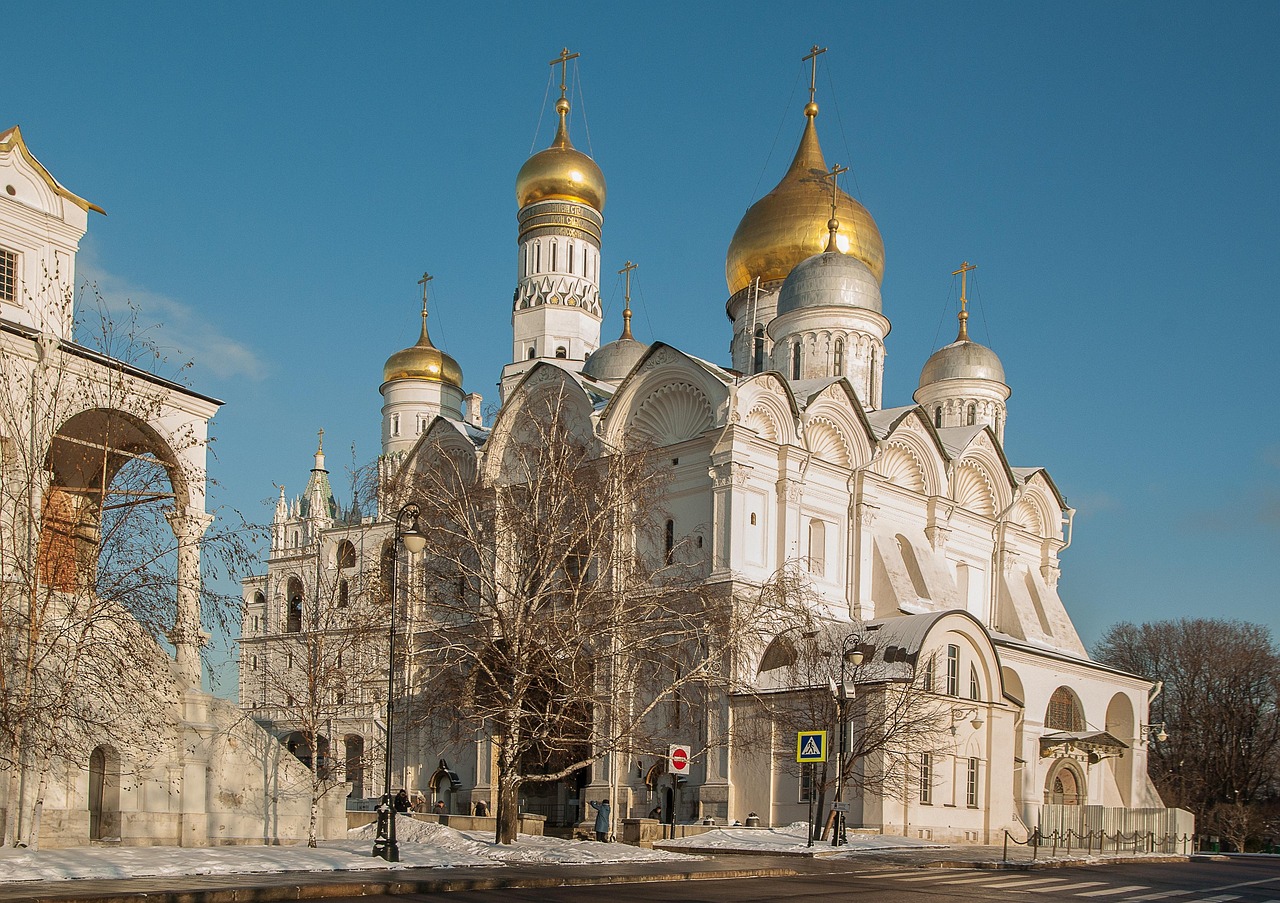
Let’s get the basics straight because this is where most confusion starts. The Moscow Kremlin is a fortified complex covering 27.5 hectares. It’s not one building. It’s a walled city containing cathedrals, palaces, museums, and the official residence of the Russian president. Inside the walls, you’ll find the Cathedral Square, the Grand Kremlin Palace, several cathedrals including the Assumption, Archangel, and Annunciation, the Ivan the Great Bell Tower, the Armoury Chamber, and the Diamond Fund. Each of these is a separate attraction with its own ticket and time commitment. The complex functions as both a museum and an active government center, so some areas are off-limits to visitors. Knowing what is accessible and what is not is the first step to building a practical itinerary.

Best Time to Visit the Kremlin Moscow
Practical timing separates a good visit from a frustrating one. Summer (June to August) brings warm weather but also massive crowds and long lines. If you visit in July, expect to spend 30-45 minutes just getting through security and ticket queues. The payoff is that the cathedrals are at their most accessible and the gardens are pleasant. Spring (April to May) and autumn (September to October) offer mild temperatures and significantly fewer tourists. The lines are shorter, and the experience feels more relaxed. Winter (November to March) is cold—temperatures often drop below freezing—but the crowds thin out dramatically, and accommodation in Moscow is cheaper. If you can handle the cold, winter offers the most peaceful visit. As for time of day, the complex opens at 10 AM. Arrive at 10 AM sharp and you’ll beat the main rush. Tuesdays, Thursdays, and Saturdays tend to be quieter than Mondays, Wednesdays, and Fridays. If you have flexibility, schedule your visit for a Tuesday morning in late September. That combination almost guarantees a pleasant experience.
How to Get Kremlin Tickets (And Avoid the Scams)
Tickets are your single biggest headache if you don’t plan ahead. You have two main options: buy online or buy at the box office. Buying online from the official Kremlin website is the safest method. The website accepts international cards, but the interface is not the smoothest. Expect to pay around 700-1000 RUB for a ticket that grants access to the grounds and the cathedrals. A separate ticket for the Armoury Chamber runs 1000-1500 RUB. The Diamond Fund requires its own ticket as well. If you buy at the box office, it’s located near the Kutafya Tower. The line can be long, especially in summer. Third-party scalpers and unofficial websites often charge inflated prices, sometimes double or triple the face value. Stick to the official site or a recognized reseller. A critical tip: book at least 2-3 weeks in advance for summer visits. Last-minute tickets during peak season sell out by midday. If you miss the window, your only option is a guided tour that includes ticket access. Also, note that children under 16 enter free, but you still need to get a free ticket at the box office. Don’t skip this step because security checks every visitor.
Guided Tour vs. Independent Visit: Which Is Right for You?
This is a real tradeoff. A guided tour costs more—typically 2000-4000 RUB per person depending on the length and inclusions—but it comes with a knowledgeable guide who provides context you simply won’t get from reading a plaque. Guides explain the history behind each cathedral, the symbolism in the icons, and stories about the tsars buried in the Archangel Cathedral. Most guided tours also include skip-the-line access, which saves significant time. On the other hand, an independent visit is cheaper and gives you complete flexibility. You can linger at a specific cathedral or move faster through areas that don’t interest you. The downside is that you either need to do serious research beforehand or rent an audio guide (available at the ticket office). For a first-time visitor, especially one interested in history, a guided tour is worth the extra cost. For budget travelers or repeat visitors, going independent is perfectly fine. If you decide on a guided tour, booking through a reputable platform like GetYourGuide or Viator ensures you get a legitimate guide. Make sure the tour includes English-language guidance and specifies which areas are covered.
Top 5 Must-See Sights Inside the Kremlin
You cannot see everything in one visit, so prioritize these five.
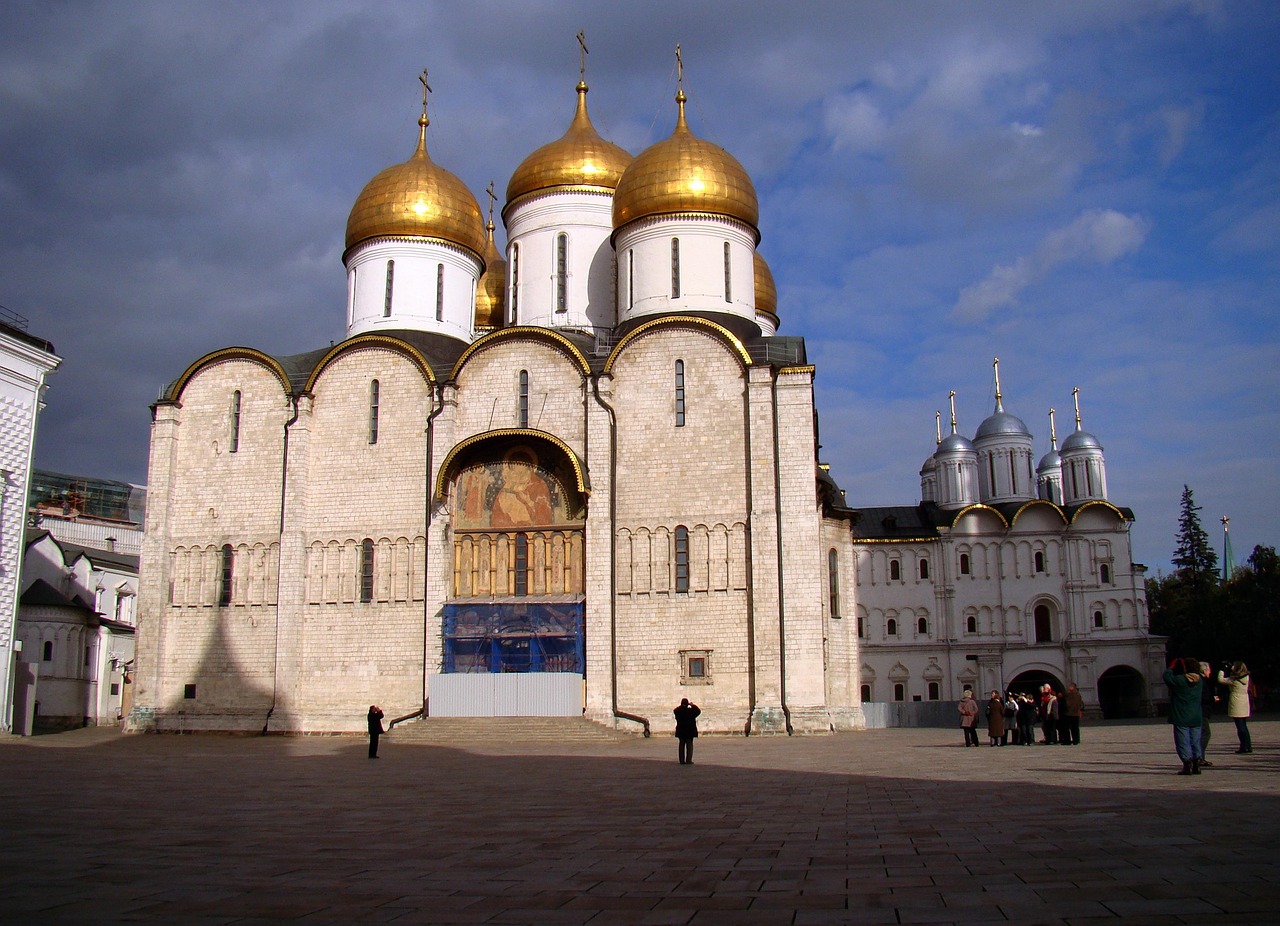
Assumption Cathedral – This is where tsars were crowned and patriarchs were buried. The interior is covered in 17th-century frescoes, and the iconostasis is immense. Allocate 30 minutes here. Look for the golden dome visible from outside.
Armoury Chamber – This is not a weapons museum. It’s a treasury containing Fabergé eggs, state regalia, coronation robes, and carriages. The collection is spectacular and requires at least 45 minutes. It is the most popular ticket inside the Kremlin, so book well in advance.
Ivan the Great Bell Tower – You can climb to the top for panoramic views of Moscow. It’s a separate ticket and a physical climb, but the payoff is a view that includes Red Square, the Moskva River, and the city skyline. If you’re not fit or have mobility issues, skip this one.
Tsar Cannon and Tsar Bell – These are novelty items. The Tsar Cannon is a huge bronze cannon that was never used in battle. The Tsar Bell is the largest bell in the world, but it cracked during casting and never rang. Both are curiosities worth a quick look—5 minutes each.
Cathedral of the Archangel – This is the burial place of many Russian tsars, including Ivan the Terrible. The interior has a darker, more solemn feel than the Assumption Cathedral. Allocate 20 minutes. It offers a direct connection to Russian history that the Assumption Cathedral doesn’t provide.

What to Bring: Essential Gear for Your Visit
Packing right eliminates common annoyances. First, comfortable walking shoes are non-negotiable. The Kremlin’s cobblestones are uneven, and you’ll be standing in lines and walking between buildings for several hours. Don’t wear new shoes. Travelers who need reliable footwear may want to look for a pair of comfortable walking shoes that offer good support. Second, bring a small backpack. Large bags must be checked at a luggage storage facility near the entrance, which adds time and cost. A small daypack fits easily through security. Third, carry a water bottle, especially in summer. There are few places to buy water inside the complex. Fourth, a portable charger is useful because you’ll use your phone for tickets, maps, and photos. Battery drains fast. For longer days exploring, a portable charger can be a lifesaver. Finally, a guidebook or a downloaded app can save you from wandering aimlessly. A printed map also works. These are not luxury items; they solve real problems.
Common Mistakes to Avoid When Visiting the Kremlin
Everyone makes mistakes, but here are the ones that can ruin your day. Not buying tickets in advance during peak season is the biggest error. You will queue for an hour or more and might not even get in. Book online at least two weeks ahead. Showing up without a valid ID is a hard stop. Passports are required for entry. No passport, no entry, no exceptions. Trying to see everything in one visit is impossible. The Armoury Chamber alone takes 45 minutes, and the cathedrals add another hour. Pick two or three priorities and accept that you’ll need to return. Ignoring the dress code is embarrassing. Cathedrals require covered shoulders and knees. No shorts, no tank tops, no bare shoulders. If you show up inappropriately dressed, you may be denied access to religious sites. Expecting to see the Presidential Palace is a common fantasy. The palace is the working residence of the president and is completely closed to the public. Don’t waste time looking for it. Avoid these mistakes, and your visit will be far smoother.
Where to Stay Near the Kremlin: Best Areas and Hotels
Location matters because Moscow traffic is unpredictable and public transport can be overwhelming after a long day of sightseeing. The best neighborhood for walking access is Tverskaya. It’s central, close to the Kremlin, and packed with restaurants and shops. Accommodation here tends to be mid-range and above. Kitay-Gorod is historic and directly adjacent to Red Square. It offers a range of options from budget hostels to boutique hotels. Zamoskvorechye is quieter and more local, across the river from the Kremlin. It’s a good choice if you prefer a less touristy atmosphere. For budget travelers, a hostel in Kitay-Gorod can cost under $20 per night. For mid-range comfort, consider a well-rated hotel in Tverskaya. For luxury, the Four Seasons Moscow is the gold standard—directly facing the Kremlin and offering unparalleled convenience. Each option has a tradeoff: proximity vs. price vs. nightlife vs. quiet. Decide what matters most to you. Book in advance during peak season.
Exploring Beyond the Walls: Red Square and Nearby Attractions
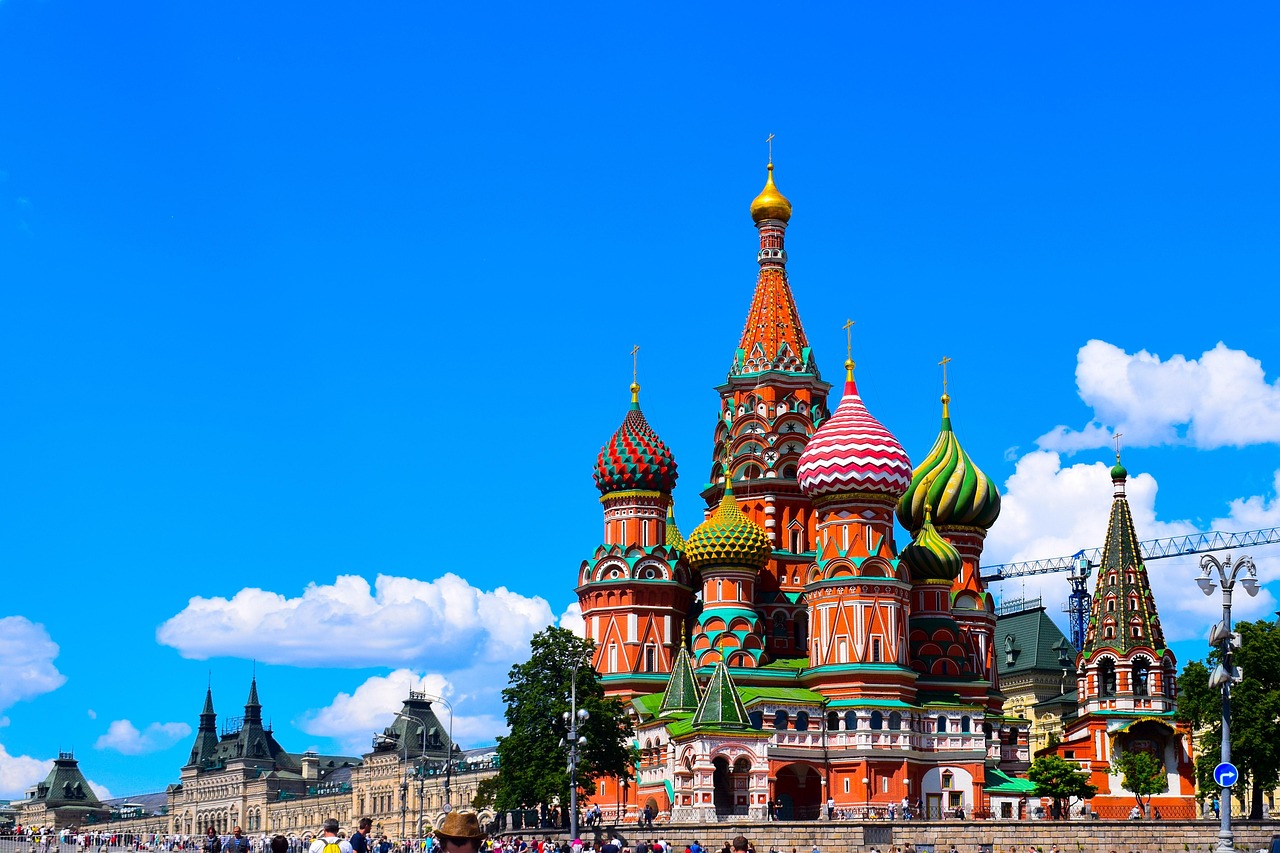
The Kremlin and Red Square are adjacent, and you should treat them as one full-day itinerary. St. Basil’s Cathedral is outside the Kremlin walls but visually dominates Red Square. The interior is a museum of Russian Orthodox art. Allow 30 minutes. Lenin’s Mausoleum is also on Red Square. Entry is free, but there is a separate queue that can be long. It’s open only a few hours per day and closed on Mondays and Fridays. Plan accordingly. GUM department store is a historic shopping arcade worth walking through for its architecture and a quick coffee. Alexander Garden is right outside the Kremlin walls and contains the Tomb of the Unknown Soldier. It’s a pleasant spot for a short walk. Combining a Kremlin visit with a Red Square walk is the most efficient use of your time. Start at the Kremlin in the morning, spend three to four hours inside, then exit through Kutafya Tower and walk onto Red Square. Finish with a coffee at GUM. That sequence covers the core sites without rush.

Practical Tips for a Smooth Visit
A few logistics can make or break your day. The Kremlin is open daily except Thursdays, from 10 AM to 5 PM. The box office closes earlier, usually by 4 PM. Security involves bag scans and metal detectors. Do not bring drones, large suitcases, or anything sharp. Photography is allowed outside, but no flash photography inside the cathedrals. Tripods are prohibited. The nearest metro stations are Arbatskaya (on the blue line) and Biblioteka Imeni Lenina (on the red line). Both are a short walk from the Kutafya Tower entrance. Moscow can feel overwhelming, so download an offline map app like Maps.me before you arrive. Cell coverage can be patchy inside the complex. Lastly, bring cash because some smaller ticket offices and souvenir kiosks do not accept cards.
Final Thoughts: Is the Kremlin Worth the Hype?
If you plan well, absolutely. The Kremlin offers a concentration of history, architecture, and cultural significance that few places in the world can match. The long queues and complex layout can be frustrating, but that is exactly why this guide exists. With the right tickets, the right timing, and a clear plan for what to see, your visit will be smooth and rewarding. Use the tips above to avoid stress and focus on what matters. The quality of the experience comes down to a clear plan and the practical decisions made beforehand.