Introduction
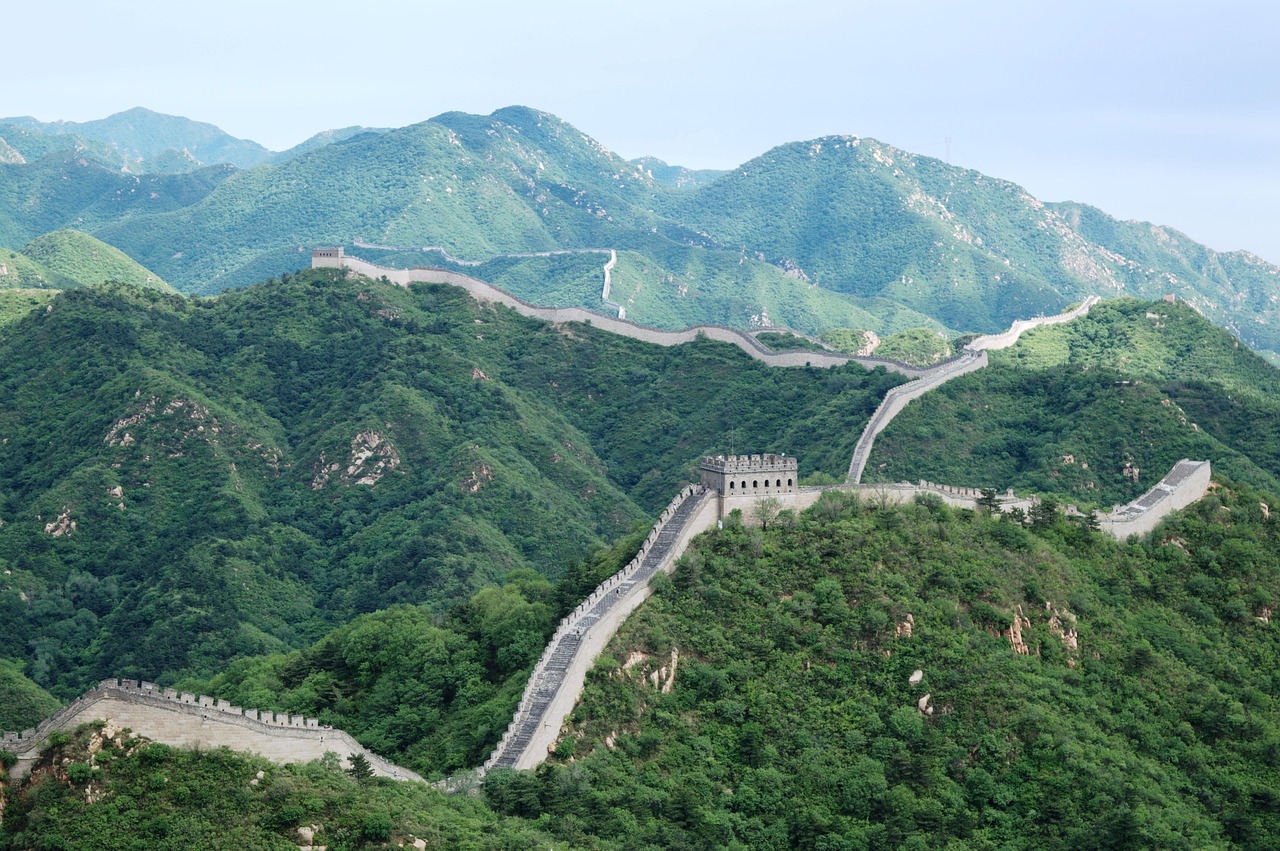
Picking the right section of the Great Wall of China is probably the biggest decision you’ll make for your trip. It’s not one wall but a bunch of different sections, each with its own feel, crowd levels, and access needs. A lot of travelers just book the first thing they find or follow the crowd. This article is for first-timers, hikers, and photographers who want to actually plan a good trip. It’s for anyone who wants to match their choice to their fitness, schedule, and expectations. This guide to great wall of china sections cuts through the clutter and gives you the real info you need to decide.

Why the Section You Choose Matters More Than You Think
The most common mistake people make is assuming all sections of the Great Wall are basically the same. They’re not. They’re wildly different in crowds, how much they’ve been restored, safety, and how hard they are to walk. Badaling is a fully restored tourist spot with escalators and shops. Jiankou is a crumbling ruin where the only handrails are loose rocks. Your choice decides whether you spend the day shuffling through thousands of people or hiking a quiet ridge with just the wind.
Some sections are paved and easy to walk. Others require scrambling over broken steps and climbing through gaps in watchtowers. Restored sections feel safe. Wild ones test your fitness and nerves. There’s no single best section—only what’s best for you. First-time visitors often pick Badaling because it’s the most famous. Experienced travelers choose Jinshanling because it has the best hiking without all the fuss. Know your limits and what you want before you commit. A bad choice can turn a great experience into a frustrating one.
Badaling: The Most Visited and Most Restored Section
Badaling is the most famous section and by far the busiest. It’s about 1.5 hours from Beijing by bus or car. The section is fully restored with smooth paths, handrails, and cable cars that take you straight to the top. This is the image most people have in their heads when they think of the Great Wall.
Best for:
- Families with young children or elderly members
- Travelers with mobility issues
- Anyone on a tight schedule with only one day
- People who want a quick, hassle-free visit with modern amenities
Avoid if:
- You hate crowds—weekends and holidays are packed shoulder to shoulder
- You want a quiet, authentic experience without the tourist vibe
- You prefer hiking over walking on flat restored paths
One underrated bonus near Badaling is the Great Wall Museum. It gives good historical context and makes a smart stop before or after your visit. Entry to Badaling costs around 40 RMB during peak season. Parking is available, and trains also run directly from Beijing. Just know what you’re signing up for: convenience and spectacle at the cost of solitude.
Mutianyu: The Best Balance for Most Travelers
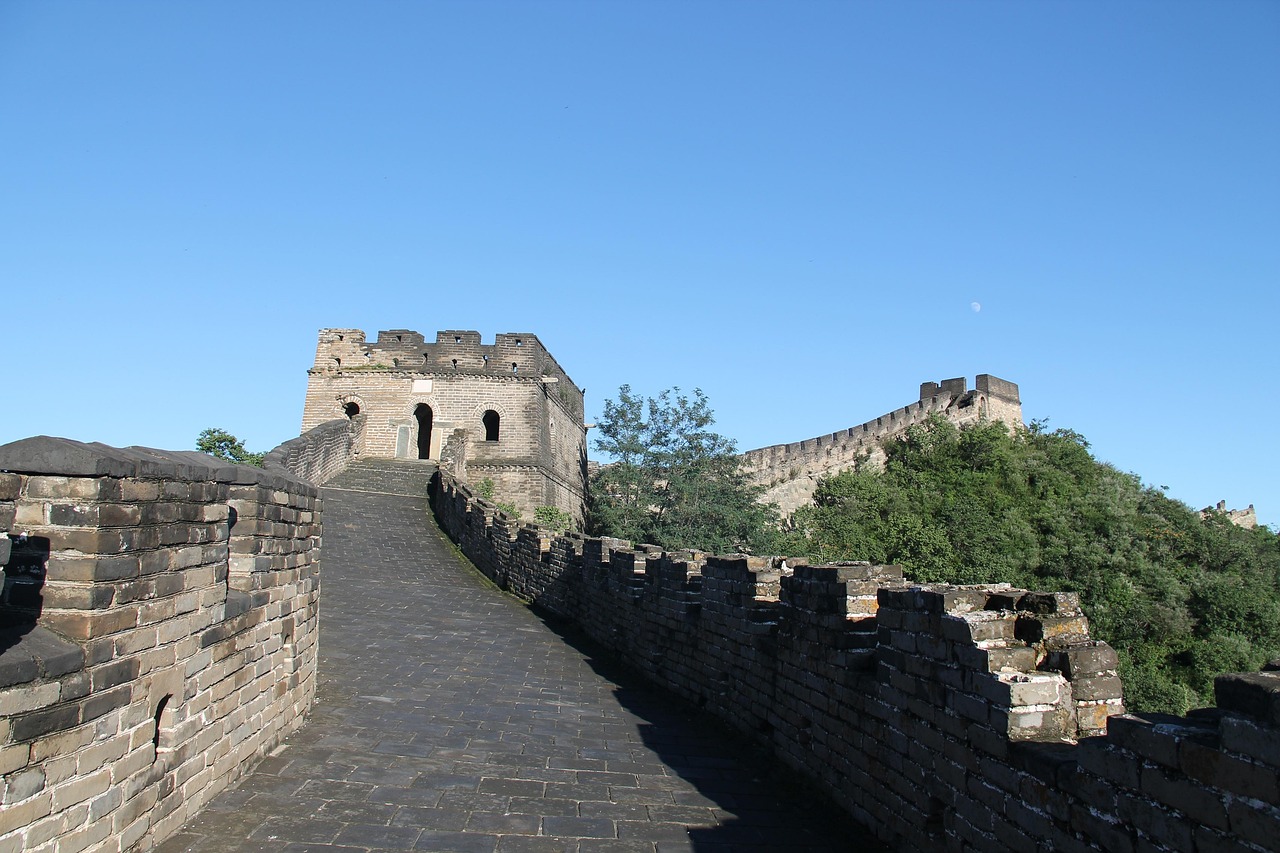
Mutianyu is the section most experienced China travelers recommend. It offers similar restoration to Badaling but with far fewer people. Crowds are a fraction of what you find at Badaling, especially on weekdays. The scenery is also better, with the wall snaking through dense forest and rolling hills rather than crowded development.
Getting to Mutianyu takes about 1.5 hours from central Beijing. The site includes a cable car and a chairlift, plus the famous toboggan ride back down if you want a fun exit. The cost is roughly 45 RMB for entry, with cable car tickets additional.
Mutianyu vs. Badaling:
- Crowds: Mutianyu is much quieter.
- Restoration: Both are fully restored and safe.
- Scenery: Mutianyu wins with greener surroundings.
- Experience: Mutianyu feels more like a historical site; Badaling feels like a tourist attraction.
If you’re a first-time visitor who wants a pleasant, memorable experience without extreme crowds, start with Mutianyu. It’s the default best choice for most people. Booking a private driver or small group tour is the most convenient way to get there, especially if you want to arrive early before the midday rush. Don’t waste time negotiating public buses for your first visit—make it easy on yourself.

Jinshanling: The Photographer’s Choice
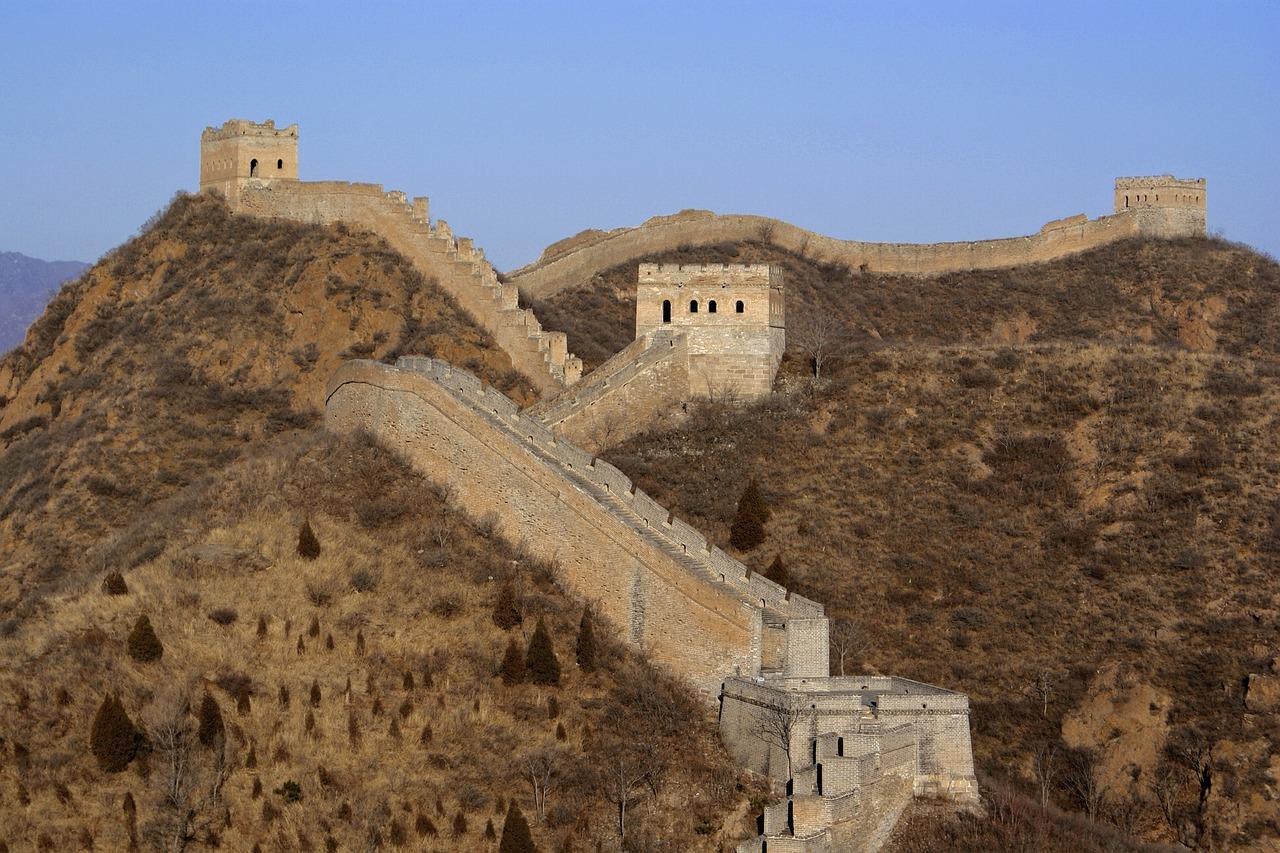
Jinshanling is where the wall starts to look wild. It’s about 2.5 hours from Beijing, and the ride is worth the extra time. The section is partially restored, meaning some towers are intact and repointed while others remain as crumbling ruins. This contrast gives you some of the most photogenic scenery on the Great Wall. The watchtower variety alone—round, square, beacon towers—makes it a dream for photographers.
The hike from Jinshanling to Simatai is a classic route. It takes about four hours and covers roughly 10 kilometers. It’s moderately difficult but not extreme. You need decent fitness and sure footing. You don’t need climbing gear. This is the sweet spot for anyone who wants a real Great Wall hike without the danger of unmaintained sections.
Best for:
- Photographers who want dramatic lighting and varied compositions
- Hikers who want a half-day trek with rewarding views
- Travelers who want a sense of “wild wall” without extreme risk
Avoid if:
- You have mobility issues or fear heights
- You’re on a tight schedule
- You prefer fully paved paths
Entry to Jinshanling is about 65 RMB. Arrive early. The light is best in the morning before the haze settles in. Bring water and snacks—there are few vendors once you’re on the wall. A lightweight daypack works well for carrying essentials on this hike.
Simatai: Night Tours and Restoration in Progress
Simatai offers something unique: night tours. The wall here has been restored, but the restoration is newer and managed carefully. The night tours feature lighting along key sections, creating a dramatic contrast between the ancient stone and the darkened hills. It’s atmospheric and memorable in a way daytime visits rarely match.
Simatai is about 2.5 hours from Beijing. It’s often combined with a visit to Gubei Water Town, a reconstructed traditional village built at the foot of the wall. Many visitors choose to stay overnight in Gubei Water Town to experience both the evening light show and the early morning quiet.
Best for:
- Night photographers and travelers seeking a different experience
- Anyone who wants a more romantic or unique setting
- Those who enjoy combining cultural activities with their Great Wall visit
Avoid if:
- You want an early morning hike without crowds
- You’re on a strict budget
- You dislike artificially lit historical sites
Tickets for Simatai night tours are typically around 120 RMB, plus cable car. Accommodation near Gubei Water Town can be pricey but convenient. Book ahead, especially on weekends when the night tour is popular with domestic tourists. A portable power bank is a good idea for keeping your camera and phone charged throughout the evening.
Jiankou: The Wild Wall for Experienced Hikers Only
Jiankou is the most dangerous section of the Great Wall that’s still accessible to hikers. It’s not maintained. The steps are broken, the walls are crumbling, and sections of the path are steep enough to require hands. Loose rocks slide underfoot. Guardrails don’t exist. Injuries are common. Every year, tourists are rescued—or worse.
This is not a family destination. It’s not for beginners. It’s not for anyone with fear of heights or weak ankles. Jiankou is for experienced hikers who want the raw, unfiltered experience of the Great Wall as it was before restoration. The effort is rewarded. The views are spectacular and lonely. The feeling of being somewhere truly ancient and forgotten is unmatched.
Best for:
- Experienced hikers with proper gear and full confidence
- Adventurers who want the most authentic wild wall experience
- Those willing to hire a guide—don’t attempt this alone
Avoid if:
- You have any mobility issues at all
- You’re afraid of heights
- You’re on a tight schedule or have children
- You’re traveling alone without a guide
Jiankou is often closed or restricted due to damage. Check current conditions before making plans. If you go, hire a guide who knows the safe routes. Wear proper hiking boots, bring gloves, and carry a headlamp. Don’t take risks for a photo—it’s not worth it.
Huanghuacheng: The Great Wall by the Water
Huanghuacheng is the section where the wall dips into a reservoir and disappears under the water. This creates a unique landscape: stone towers rising from the lake, thick forest, and quiet hiking away from the crowds. It’s about 2 hours from Beijing, making it accessible but less visited than the popular sections.
The wall itself is partially ruined. Some sections have been restored while others remain in their original state. The hiking is moderate. You walk along the shore, climb up to the towers, and circle around the reservoir. It’s scenic rather than strenuous.
Best for:
- Travelers who want a shorter, easy hike with water views
- Families with older children who can handle uneven paths
- Photographers who want a different perspective
- Anyone who enjoys combining nature with history
Avoid if:
- You’re looking for pristine, fully restored wall
- You want big hiking challenges
- You’re on a tight schedule and need quick access
You can rent a boat on the reservoir, or stay overnight at one of the nearby guesthouses for a peaceful retreat. The entry fee is around 45 RMB. This is a good choice if you want a full day out rather than just a morning visit.
Great Wall of China Sections Comparison Table
This table helps you make a final decision at a glance.
| Section | Distance from Beijing | Crowd Level | Restoration | Difficulty | Best For | Entry Fee (RMB) |
|---|---|---|---|---|---|---|
| Badaling | 1.5 hrs | Extreme | Fully restored | Easy | Families, quick visits | 40 |
| Mutianyu | 1.5 hrs | Moderate | Fully restored | Easy | First-time visitors, balance seekers | 45 |
| Jinshanling | 2.5 hrs | Low | Partially restored | Moderate | Hikers, photographers | 65 |
| Simatai | 2.5 hrs | Moderate | Restored | Easy | Night tours, unique visits | 40 |
| Jiankou | 2 hrs | Very low | Unrestored/ruins | Difficult | Experienced hikers only | Free |
| Huanghuacheng | 2 hrs | Low | Partially restored | Moderate | Water views, families | 45 |
Prices vary seasonally. Always double-check before booking.
How to Get to Each Section: Transportation Cheat Sheet
Your transportation choice depends a lot on which section you pick and how much time you have. Here’s a breakdown of options per section.
Badaling: Direct train from Beijing North Station takes about 70 minutes. Public buses also run from Deshengmen. Avoid illegal taxis that hang around the gate—use Didi or official taxis.
Mutianyu: No direct train. The easiest option is a private driver or a small group tour. Public bus 916 express goes to Huairou, then transfer to a minibus to the wall. This takes twice as long as a private car.
Jinshanling: Private car or tour bus is the only practical option. Public transport is awkward and slow. A private driver from Beijing costs about 600-800 RMB round trip.
Simatai: Similar to Jinshanling. Use a private driver or book a night tour package that includes transport. Many tours include a stop at Gubei Water Town.
Jiankou: Private car only. You need a guide who can arrange transport. Don’t rely on public transport here.
Huanghuacheng: Private driver or tour. Public bus 916 to Huairou, then a local minibus.
A general tip: groups of 3-4 people often save money and time by booking a private driver instead of taking multiple buses. Use the Didi app for ride-hailing. If you prefer a stress-free experience, consider booking through a platform like GetYourGuide or Klook for convenience.
What to Bring on Your Great Wall Visit
Packing right makes the difference between a comfortable day and a miserable one. The key is to match your gear to your chosen section.
For restored sections (Badaling, Mutianyu, Simatai):
- Reusable water bottle (hydration points are available)
- Comfortable walking shoes
- Sunscreen and a hat—exposure is real even on cloudy days
- Light layers—morning fog can give way to bright sun by noon
- A portable power bank for your camera or phone
- Snacks—trail mix or granola bars keep you going without stopping
For partially restored or wild sections (Jinshanling, Jiankou, Huanghuacheng):
- Same as above, plus:
- Gloves for gripping loose rocks
- Headlamp—good for early starts or longer hikes that finish late
- Trekking poles—make a big difference on uneven terrain
- Moisture-wicking shirt—you will sweat on the steep sections
- Extra water—few vendors exist on the wilder parts of the wall
A small daypack (20-30 liters) is ideal. Don’t overpack for restored sections—you don’t need hiking gear for Badaling. Conversely, don’t ignore gear for the wild sections. A simple slip can ruin your day. Travelers preparing for the wilder sections may benefit from a reliable pair of hiking gloves for better grip and protection.

Common Mistakes to Avoid When Choosing a Section
I see the same mistakes again and again. Avoid them and your trip will go much smoother.
1. Assuming all sections are accessible by public transport. They’re not. Badaling has a train. Mutianyu requires a transfer. Jiankou and Jinshanling basically need a private car. Check transit options before you choose.
2. Underestimating crowds at Badaling on weekends and holidays. Badaling on a Saturday in October is a sea of tour groups. You’ll spend more time queueing than walking. If you must go to Badaling, go on a weekday and arrive before 8 AM.
3. Thinking ‘wild wall’ is fine for beginners. It’s not. Jiankou is dangerous. Even Jinshanling requires reasonable balance and stamina. Don’t take children or elderly family members to wild sections.
4. Forgetting to check if a section is closed for maintenance. Sections close periodically for restoration, especially after bad weather. Check official notices or ask your hotel. There’s nothing worse than arriving to a locked gate.
5. Overpacking for a restored section. You don’t need hiking boots and trekking poles for Badaling. You’ll look out of place and carry unnecessary weight. Match your gear to the section, not the concept of the Great Wall.
Which Great Wall Section Should You Choose? Final Recommendation
Here’s the bottom line.
- First-time visitor with one day or limited mobility → Mutianyu. It has the best combination of easy access, good restoration, and manageable crowds.
- Want the classic postcard experience and accept crowds → Badaling. It’s famous for a reason. Just go early on a weekday.
- Hiker or photographer with more time → Jinshanling. The most rewarding mix of hiking, scenery, and authentic ruins.
- Seeking a unique evening experience → Simatai. The night tour is genuinely special and different from any other section.
- Experienced hiker chasing the wild wall → Jiankou (with a guide). Don’t attempt without preparation or local knowledge.
- Want a relaxed visit by the water → Huanghuacheng. Ideal for families or those who want a scenic day without extreme hiking.
Choose your section, book your transport, and check the weather. The Great Wall is an incredible experience when you plan it right. Don’t leave your choice to chance.