Introduction
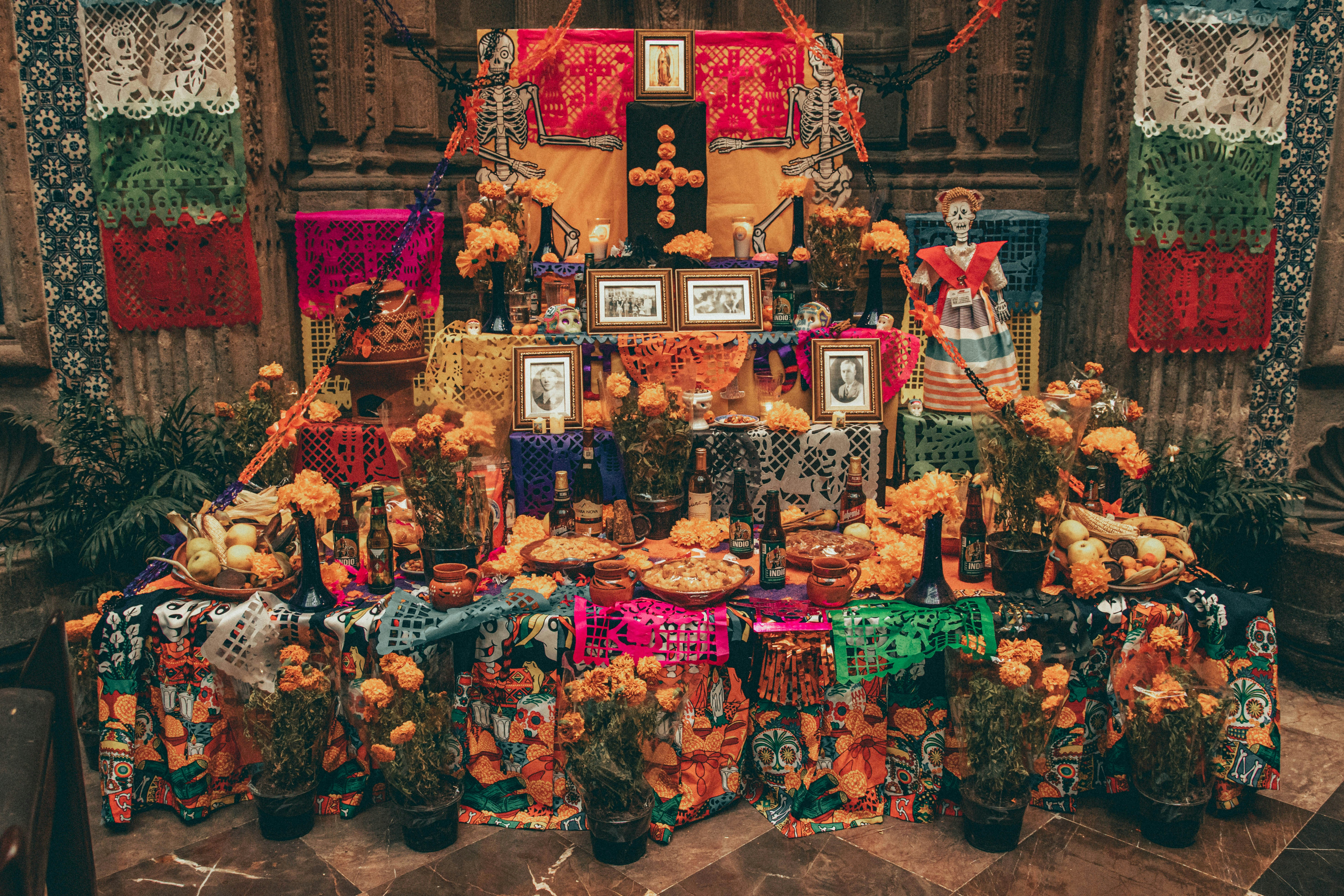
Day of the Dead in Mexico—Día de Muertos—is one of those celebrations that looks incredible in photos but means a lot more once you understand it. If you’re planning your first visit, you’ve probably seen the marigold-covered altars, sugar skulls, and painted faces. But figuring out what this holiday actually means, and how to experience it without being disrespectful, is what makes the difference between a trip that sticks with you and one that just feels off. This guide is for practical travelers—people who want to see the real thing, skip the tourist traps, and handle the logistics of being in Mexico during its biggest cultural event. We’ll cover traditions, where to go, what to expect, and how to plan a trip that actually honors what the holiday is about. Let’s get into it.

What Is Day of the Dead? Understanding the Core Traditions and Meaning
Día de Muertos runs over two days: November 1, for deceased children (Día de los Inocentes), and November 2, for adults. It’s not a sad event. It’s more of a celebration of life—the idea that the dead come back briefly to visit, and families welcome them with joy.
The centerpiece of any celebration is the ofrenda, or altar. These aren’t just decorations. They’re built with care—photos of the departed, their favorite foods and drinks, candles to guide them, and marigolds (cempasúchil) whose smell is supposed to attract the dead. Sugar skulls (calaveras de azúcar) represent the sweetness of life, and papel picado, those colorful cut-paper banners, symbolizes how fragile existence is.
A lot of people think Día de Muertos is the Mexican Halloween. It’s not. Both use death imagery, but the meaning is different. Halloween is about fear and costumes. Day of the Dead is about remembrance, love, and community. The holiday goes back to before the Spanish arrived, with roots in Aztec rituals honoring the goddess Mictecacihuatl. Getting that distinction helps you approach the celebration with respect, not just as something to photograph.
For visitors, here’s the thing: locals are generally fine with outsiders who show real interest. But they’ll notice if you’re treating their traditions like a show. Go in with curiosity, not a sense of entitlement.
When to Go for Day of the Dead: Key Dates and Planning Windows
Officially, the holiday is November 1–2. But it stretches longer. From around October 28, you start seeing altars going up in homes, public buildings, and markets. October 31 is usually when preparations peak. By November 1, cemeteries are busy with families cleaning graves and setting up altars. November 2 is the biggest day for cemetery visits and evening vigils.
For the full experience, try to arrive by October 30 at the latest. Most major events—the Mexico City Grand Parade and Oaxaca’s cemetery vigils—happen between November 1 and 2. Coming earlier lets you see the setup phase, which some travelers find more genuine.
Accommodations book up fast. If you’re staying in a popular spot like Oaxaca City or Mexico City’s historic center, reserve at least two months out. Prices jump significantly during this period. On a budget? Consider staying slightly outside city centers and using public transport or rideshares to get to events.
One practical tip: book refundable accommodations when you can. Festivities can shift a bit year to year, and flexibility helps if plans change. Travelers who want peace of mind might look into a travel insurance policy to cover unexpected changes.
Where to Experience Day of the Dead in Mexico: Best Destinations for Authentic Celebrations
Not all Day of the Dead celebrations are the same. The scale, tone, and authenticity vary a lot by location. Here are the top destinations for first-time visitors, broken down by what you’re after.
Mexico City: Big Parades, Museums, and Energy
Mexico City’s Grand Parade, inspired by the James Bond film Spectre, is a newer addition but has gotten huge. It’s a massive procession with floats, dancers, and costumes—more spectacle than tradition. If you want energy and visual drama, this is it. For quieter, intimate cemetery visits, combine the city with a day trip to Mixquic, a neighborhood in the south known for its community-focused cemetery vigil.
Tradeoff: You get accessibility and convenience, but you lose intimacy. Good for first-timers who want a bit of everything.
Oaxaca: The Gold Standard for Tradition
Oaxaca City and its surrounding villages are widely considered the best place for an authentic Day of the Dead experience. The city fills with elaborate altars in public plazas, museums, and hotel lobbies. The real magic happens in the cemeteries of Xoxocotlán and Etla on the night of November 1. Families sit by graves, pray, eat, and share stories. The atmosphere is respectful and moving.
Tradeoff: Oaxaca is popular. Streets get packed, and accommodations are scarce. For a quieter experience, stay in a nearby village and attend local ceremonies.
Pátzcuaro and Janitzio Island, Michoacán: The Iconic Island Vigil
Pátzcuaro’s island cemetery on Janitzio is probably the most photographed Day of the Dead scene in the world. Boats filled with marigolds cross the lake at night to the island cemetery. It’s hauntingly beautiful. But it’s also heavily touristed. Expect crowds and commercial vendors on the island itself.
Tradeoff: This is the most visually dramatic location. But the tourism infrastructure can feel overwhelming. Go if you prioritize bucket-list imagery. Skip it if you prefer genuine community connection.
San Miguel de Allende: Artistic and Colorful
San Miguel de Allende blends colonial charm with a thriving arts scene. The Day of the Dead celebrations here are less cemetery-focused and more art-oriented—altars in galleries, public art installations, and costume parades. It’s accessible for English-speaking travelers and has good accommodation options.
Tradeoff: Good for travelers who want something more curated and less intense. Less suitable for those seeking pure, unscripted tradition.
Mixquic, Mexico City: The Intimate Community Option
Just outside Mexico City, Mixquic is a small community famous for its cemetery vigil on November 1. Locals open their homes, and the atmosphere feels genuine. Fewer tourists than Oaxaca or Janitzio. If you want a real sense of how families spend the holiday, this is a strong choice.
Tradeoff: Requires a day trip from Mexico City. Limited accommodation on-site. Plan to commute back after the vigil ends around midnight.
What to Expect at a Day of the Dead Celebration: Altars, Parades, and Cemetery Visits
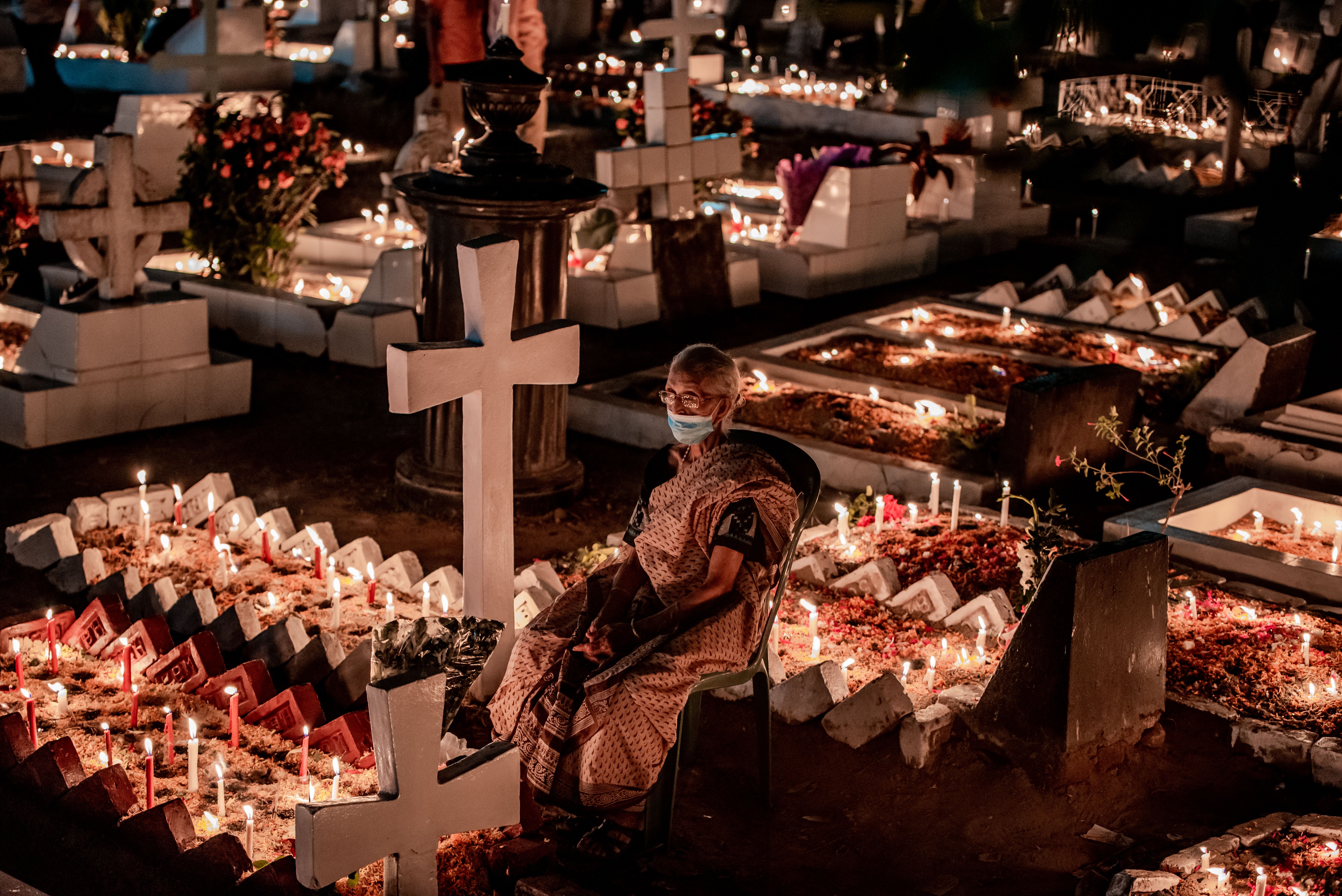
If you attend a cemetery vigil, here’s what actually happens. You arrive in the late afternoon or early evening. The cemetery is alive with activity—music playing, vendors selling food and candles, families decorating graves. The mood is communal, not sad. People talk, laugh, and tell stories about their loved ones. It’s a family reunion, not a wake.
Public altars in town squares and museums are open for viewing. Some are themed by local artists; others are more traditional. You can walk through these freely, but never touch the items on them. The offerings—food, drink, personal items—are meant for the spirits of the deceased. Taking anything, even a small piece of candy, is disrespectful.
The Mexico City Grand Parade is different. It’s a planned event with a set route. Thousands of people line the streets. Face painting is everywhere. Expect loud music, dance troupes, and plenty of crowds. It’s less about tradition and more about celebration. If noise and crowds aren’t your thing, skip the parade and head to a cemetery vigil instead.
Photography etiquette matters everywhere. Always ask before taking photos at cemeteries. If a family is clearly in a private moment, give them space. In public altars, photos are fine, but be discreet. Never use flash in low-light settings—it’s intrusive and can damage fragile items.

What to Wear (and Not Wear) for Day of the Dead Mexico
Comfortable walking shoes are non-negotiable. You’ll be on your feet for hours, often on cobblestone streets or dirt paths in cemeteries. Supporting your feet for long nights matters. A pair of comfortable walking shoes is a worthwhile investment for this trip.
Layers are essential. November evenings in central Mexico can drop to 10°C (50°F) at night, especially in highland cities like Oaxaca and San Miguel de Allende. A light jacket or sweater that you can remove during the day is ideal. A compact travel blanket can also be handy for late-night cemetery vigils.
Face painting as a tourist is common in tourist-heavy areas like Mexico City’s parade route or Oaxaca’s main square. If you participate, be aware of what the symbols mean. The calavera (skull) represents death and rebirth—it’s not a joke or a costume. Keep it respectful. Avoid painting a full costume unless you’re attending a parade event. In smaller villages, face painting can seem performative. Read the room.
What not to wear: anything that screams costume. Avoid full “skeleton” suits with cheap plastic masks. If you’re not dressing for a specific event, regular clothes are fine. Dark clothing is practical for evening events.
A light jacket and comfortable walking shoes are the most practical items you can bring.
How to Respect Local Traditions: Dos and Don’ts for Visitors
This section isn’t about lecturing you—it’s about helping you avoid social missteps that could ruin your experience and offend locals.
Do: Ask Before Photographing People or Private Altars
In public spaces, it’s usually fine to photograph general scenes. But when you approach a family at a cemetery or a private home altar, ask first. A simple “¿Puedo tomar una foto?” goes a long way. If they say no, respect it without pushing.
Do: Offer a Small Donation for Private Altars
In some villages, locals set up altars in their home courtyards and welcome visitors. It’s customary to leave a small donation—usually 10–20 pesos—as a gesture of appreciation. This helps them cover the cost of offerings and shows you’re not just there for free entertainment.
Do: Learn Basic Spanish Phrases
You don’t need fluency. But knowing “gracias,” “por favor,” “¿cuánto cuesta?” and “feliz Día de Muertos” makes a tangible difference in how you’re treated. Locals appreciate effort. A Spanish phrase book can be a handy reference for these interactions.
Don’t: Touch Items on Ofrendas
This can’t be emphasized enough. The items on altars—food, drinks, candles, photos—are offerings for the spirits. Touching them is seen as taking something meant for the dead. Observe with your eyes, not your hands.
Don’t: Treat Cemeteries as Photo Studios
This is a common mistake. Visitors sometimes treat cemetery visits as backdrops for dramatic Instagram shots, complete with awkward poses in front of graves. Take photos, yes, but be discreet and respectful. Avoid standing on graves, sitting on headstones, or taking selfies at family plots.
Don’t: Drink Excessively at Public Events
While alcohol is consumed during celebrations—especially at cemetery vigils—getting visibly drunk in public is seen as disrespectful. Mexican families are there to honor their dead, not party. Keep consumption moderate.
The bottom line: locals are incredibly welcoming to curious travelers who act like guests, not tourists. Be humble, observe first, and let genuine interest guide your interactions.
Should You Join an Organized Tour or Go DIY? A Practical Comparison
This decision depends on your travel style, budget, and comfort level with logistics.
Organized Tours: Best for Convenience and Access
If you’re short on time or don’t want to navigate transport to remote villages, an organized tour is a solid option. Most tours include a guide who explains the traditions, handles entry to cemeteries, and takes you to multiple locations in one evening. This is especially useful for places like Janitzio Island, where boat access and timing matter.
Tradeoff: You pay a premium for convenience. Tours can feel rushed. You’re also locked into a schedule—if a cemetery vigil feels meaningful and you want to stay longer, you can’t.
DIY Travel: Best for Flexibility and Depth
If you’re comfortable using public transport or renting a car, DIY travel gives you complete control. You can stay at a cemetery vigil as long as you want, wander into smaller villages you discover along the way, and spend less money overall. The downside is planning: you’ll need to book accommodations early, research cemetery hours, and understand local transport routes.
Tradeoff: More work upfront, but a richer, more personal experience. Better for solo travelers or small groups.
Who Should Choose What
First-time visitors who want a stress-free introduction should choose a tour for at least one evening. Travelers who are experienced in navigating foreign destinations should go DIY. There’s no wrong answer—just different tradeoffs.
Common Mistakes First-Time Visitors Make on Day of the Dead
Based on feedback from travelers and local guides, here are the most frequent mistakes and how to avoid them.
Booking Too Late
Accommodation rates double in the week preceding November 1. If you wait until October to book, you’ll either pay a premium or settle for subpar lodging. Book flights 3–4 months ahead and accommodations 2 months ahead.
Focusing Only on Big Cities
Mexico City and Oaxaca City are popular for good reason, but the most meaningful experiences often happen in smaller villages. If you only stay in urban centers, you miss the community-focused, intimate side of the holiday. Plan at least one day in a rural location.
Not Bringing Cash
Many vendors at cemeteries and small markets don’t accept cards. You’ll need cash for food, candles, small donations, and local crafts. Bring small denominations—10 and 20 peso bills or coins—for convenience.
Misunderstanding Cemetery Hours
Cemeteries are open 24 hours on November 1 and 2, but traditions peak between 6 PM and midnight. If you arrive too early, you’ll see setup but miss the energy. If you arrive after midnight, many families have gone home. Plan your visit for early evening.
Being Overly Self-Conscious
Some visitors worry about cultural missteps and become so cautious they avoid engaging altogether. That’s a mistake. Locals appreciate sincere interest. If you ask before taking photos and act respectfully, you’re welcome. Don’t let fear of making a minor mistake keep you from participating meaningfully.
Where to Stay: Best Accommodations Near Day of the Dead Hotspots
Booking the right place to stay can make or break your trip. Here’s a destination-by-destination breakdown.
Oaxaca City
Stay in the historic center for walking access to altars and parades. Budget travelers should look for guesthouses (hostales) near the main square (Zócalo). Mid-range options include boutique hotels in the Jalatlaco neighborhood—quieter but still central. Book well in advance—Oaxaca fills up first.
Mexico City
For the parade, stay in Centro Histórico or the Condesa/Roma districts. Both have excellent transport options and are within walking distance of parade routes. For the Mixquic vigil, consider staying near the southern bus station (Taxqueña) for easier access.
Pátzcuaro, Michoacán
Pátzcuaro town has limited lodging. Book a hotel or homestay months ahead. Consider staying in nearby Morelia (45 minutes by car) for more options, then driving to Pátzcuaro for the vigil. It adds commuting time but gives you better accommodation quality.
San Miguel de Allende
This is the easiest destination for comfortable, mid-range stays. Boutique hotels and Airbnb options are abundant. Book at least 6 weeks ahead.
Bringing Day of the Dead Traditions Home: Souvenirs and Practical Gear Worth Buying
Buying a souvenir is one thing—buying something meaningful is another. Here’s what’s actually worth bringing back.
Sugar Skull Molds
Candy skulls are a staple. If you buy a mold, you can make them at home. Available at most markets in Oaxaca and Mexico City. Look for traditional clay molds, not plastic versions.
Marigold Seeds
If you want to grow your own marigolds for an ofrenda at home, a small packet of cempasúchil seeds is both cheap and symbolic. Buy from a reputable vendor—check the expiration date.
Alebrijes (Wood Carvings)
These colorful, fantastical animal sculptures are unique to Oaxaca. Small ones are affordable and pack easily. Genuine ones are carved from copal wood—avoid cheap resin imitations.
Practical Gear
A portable charger is essential—you’ll use your phone for photos, navigation, and translation. A travel adapter (Mexico uses standard US plugs) is also useful. A compact, lightweight travel blanket can make cemetery vigils far more comfortable. A good portable power bank is especially handy for long nights out.

Final Practical Checklist: Plan Your Day of the Dead Mexico Trip
Before you go, run through this checklist to make sure you’re prepared:
- Book flights 3–4 months ahead for best prices.
- Reserve accommodations 2 months ahead, especially in Oaxaca and Mexico City.
- Pack comfortable walking shoes and layers for cool evenings.
- Bring cash in small denominations for vendors and donations.
- Learn basic Spanish phrases: “gracias,” “por favor,” “¿puedo tomar una foto?”
- Confirm cemetery visiting hours for your chosen destination.
- Check travel insurance coverage—medical issues can happen anywhere.
- Arrive at least a day early to adjust to the altitude if heading to highland cities.
- Plan to be out during the evening—this is when the real energy happens.
Day of the Dead Mexico isn’t just a holiday to watch from the sidelines. It’s something you experience. If you prepare properly and approach it with respect, you’ll walk away with a deeper understanding of what it means to honor the people who shaped your life. That’s the whole point.