Introduction
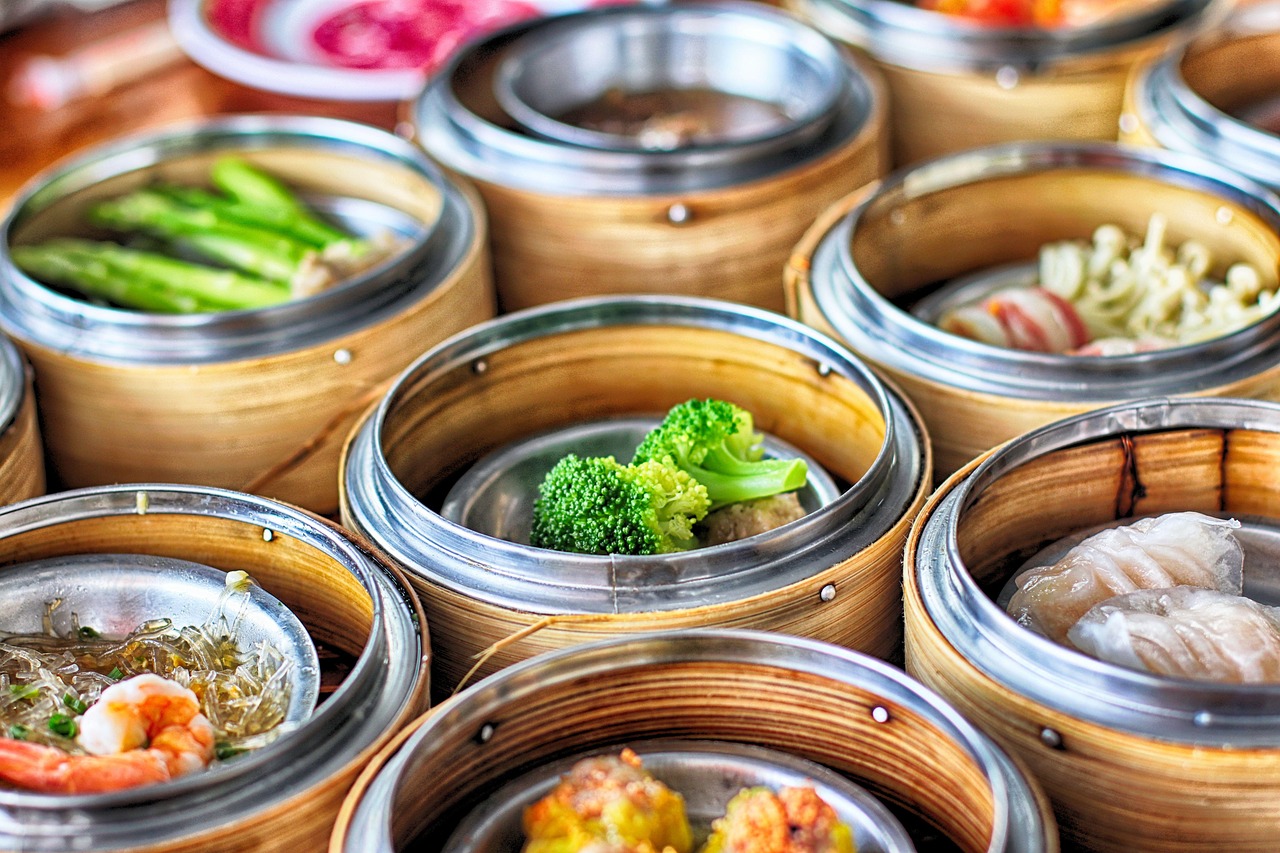
Dim sum is more than just a meal. It’s a Cantonese institution—a leisurely, multi-hour brunch built around small plates of steamed, fried, and baked delicacies, all anchored by pots of hot tea. For travelers and food enthusiasts, the experience is both thrilling and, without a bit of preparation, confusing. From navigating a chaotic cart system to knowing what’s actually worth eating, the learning curve is real.
This dim sum guide traditions article is designed for anyone who wants to walk into a teahouse with confidence and leave feeling like they got the real deal. You’ll learn the timing, the etiquette, the ordering strategy, and the subtle tradeoffs that separate a forgettable tourist brunch from an authentic Cantonese tea brunch. Let’s get to it.

What Is Dim Sum and Why Do the Traditions Matter?
Ask most people what dim sum is, and they’ll say “dumplings.” That’s like calling Italian food just pasta. Dim sum refers to an entire category of small, bite-sized dishes, and the full name is yum cha—which literally translates to “drink tea.” The tea is the foundation, not an afterthought. The food is meant to complement the social ritual of drinking and talking.
The tradition runs deep in Cantonese culture. Families and friends gather at dim sum houses between morning and mid-afternoon, often spending several hours. There’s no rush. Waiters push metal carts stacked with bamboo steamers, and diners wave them down as dishes pass by. In more modern spots, you mark off your choices on a paper card. The atmosphere is loud, crowded, and incredibly efficient once you understand the rhythm.
Skipping the tradition misses the point. Go for the food, stay for the tea, and let the afternoon unfold.
How to Choose the Right Dim Sum Restaurant: A Practical Framework
Not all dim sum restaurants are created equal. The best ones run their cart service until at least 2 PM, offer a tea menu with more than just jasmine, and still employ dim sum chefs you can see working behind a glass partition. Here’s a practical framework for picking the right spot.
Authenticity Markers
- Cart service still dominates. If the restaurant only does à la carte ordering from a menu, it may be a modern interpretation. That’s not bad, but traditional dim sum relies on carts for the full experience.
- Visible dim sum station. You should be able to see chefs pleating dumplings, rolling rice noodle sheets, and steaming batches in plain view. That’s a strong sign of freshness.
- No fusion menu. A place that serves dim sum alongside sushi rolls or pad thai is hedging its bets. Go to a restaurant that specializes in dim sum.
Tourist Traps vs. Local Spots
Famous dim sum restaurants with long Instagram lines sometimes deliver, but they also rush tables and raise prices. Neighborhood joints—the ones packed with elderly Chinese patrons reading newspapers—are where you want to be. These spots often have better quality at lower prices, but you’ll need to speak or gesture more to communicate. That’s a worthwhile tradeoff.
How to Read Reviews
Ignore star ratings. Read for specific phrases: “fresh har gow,” “thin rice noodle skin,” “bold tea selection,” “carts come by frequently.” If you see “modern twist” or “innovative,” move on unless that’s what you’re seeking. Traditional dim sum enthusiasts are clear in their reviews—trust them.
The Essential Dim Sum Menu: What to Order (and What to Skip)
Ordering dim sum confidently comes down to knowing a few core dishes. Here’s what to look for and what beginners should approach with caution.
Must-Order Dishes
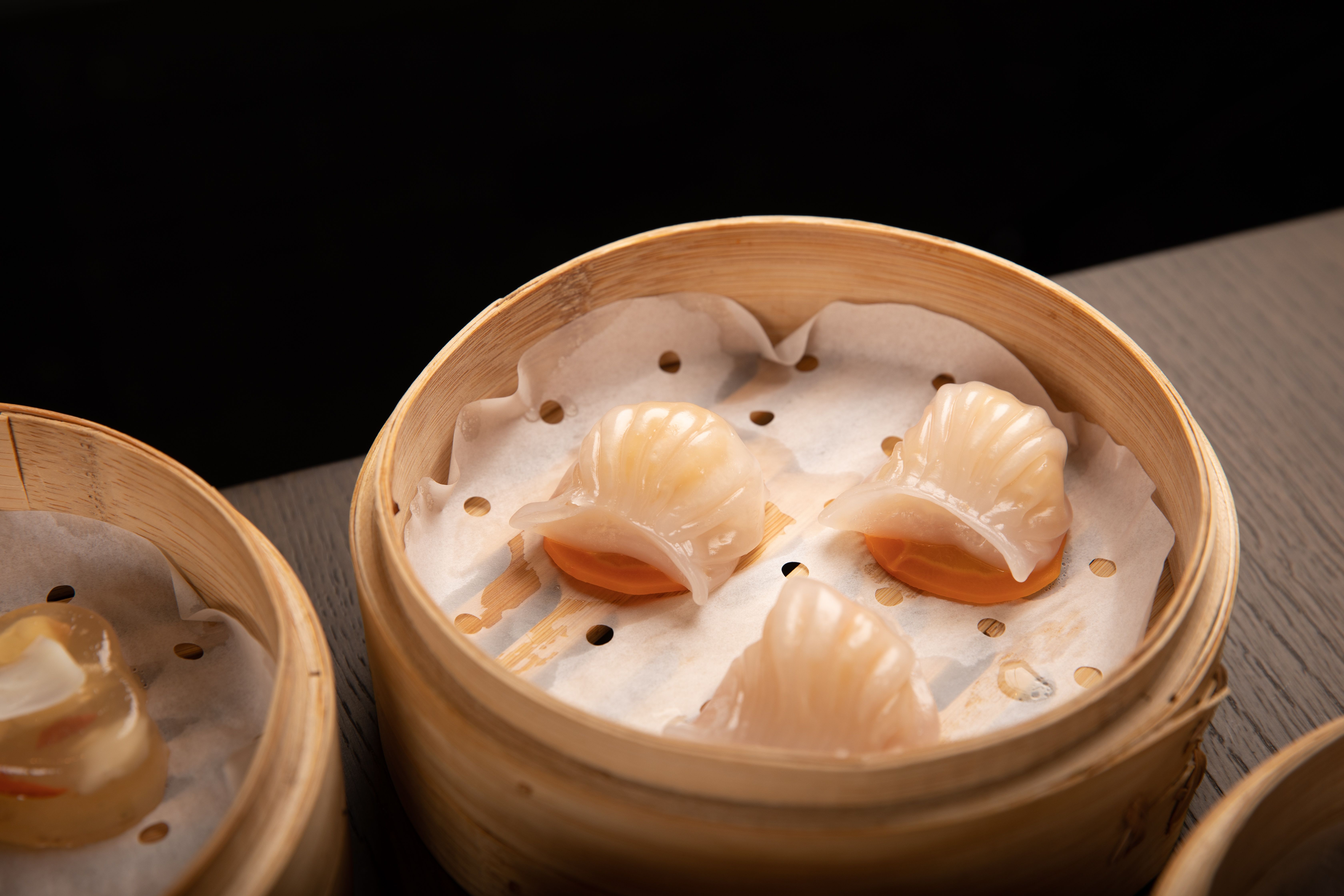
- Har Gow (shrimp dumplings): The benchmark of a dim sum kitchen. The wrapper should be thin, translucent, and slightly chewy. The shrimp inside should be bouncy and seasoned simply. If the wrapper is thick or breaks apart, move on.
- Siu Mai (pork and shrimp dumplings): Open-topped, with a ground pork and shrimp filling that’s slightly fatty. Look for a firm, not mushy, texture. A single piece of roe or a pea on top is classic, but not required.
- Char Siu Bao (barbecue pork buns): Steamed white buns filled with sweet, savory barbecued pork. The bun should be pillow-soft and slightly sweet. Skip the baked version unless you want a more pastry-like texture.
- Cheung Fun (rice noodle rolls): Silky, thin rice noodle sheets rolled around shrimp, beef, or fried dough. Served with a drizzle of sweet soy sauce. Quality is judged by the noodle’s thickness—it should be delicate, not gummy.
- Egg Tarts (dan tat): A flaky pastry shell with a silky egg custard center. For beginners, this is a safe, familiar dessert-like finish.

What to Skip (For Now)
- Chicken feet (fung zao): Deep-fried, then braised in a black bean sauce. They’re gelatinous, bony, and an acquired texture. If you’re not ready, skip them.
- Tripe (ngau pak yip): Chewy and mild in flavor, but requires a taste for offal. Not a beginner dish.
- Fish balls: Often overly processed and bouncy. They lack the delicacy of good dim sum. Not worth the stomach space.
Start with the core five dishes above. Once you’re comfortable, branch out.
Dim Sum Etiquette: 5 Common Mistakes Travelers Make
Mistakes in a dim sum house are rarely catastrophic, but avoiding them makes for a smoother, more respectful experience. Here are the five most common ones travelers make—and what to do instead.
- Not pouring tea for others first: When your teapot is filled, always pour tea for your companions before yourself. It’s a simple gesture of respect. If someone pours for you, gently tap your index and middle fingers on the table twice as a thank-you. Travelers who want to recreate the tea ritual at home may want a traditional Yixing tea set to enhance the experience.
- Using chopsticks incorrectly for dumplings: Har gow and siu mai have thin skins. Use a gentle pinching grip, not a stabbing motion. If you’re nervous, use the serving spoon provided.
- Not knowing how to request carts: Don’t wait for carts to come to you. Stand up or wave politely to flag down a passing cart. Make eye contact and point to what you want. The cart attendant will stamp your order card.
- Over-ordering: A common beginner mistake. Order 3–4 items per person to start. You can always reorder. Dim sum is about pacing, not piling the table high with cold food.
- Tipping incorrectly: In many traditional dim sum houses, tipping is not expected. Some modern places add a service charge. Ask before leaving cash on the table. When in doubt, the autogratuity covers it.
How to Order Dim Sum Like a Local: A Step-by-Step Process
Walking into a dim sum house for the first time can feel overwhelming. Follow this process and you’ll look like you’ve been doing it for years.
- Enter and find a seat. The host will seat you. If it’s peak time, be prepared to share a table with strangers. It’s normal.
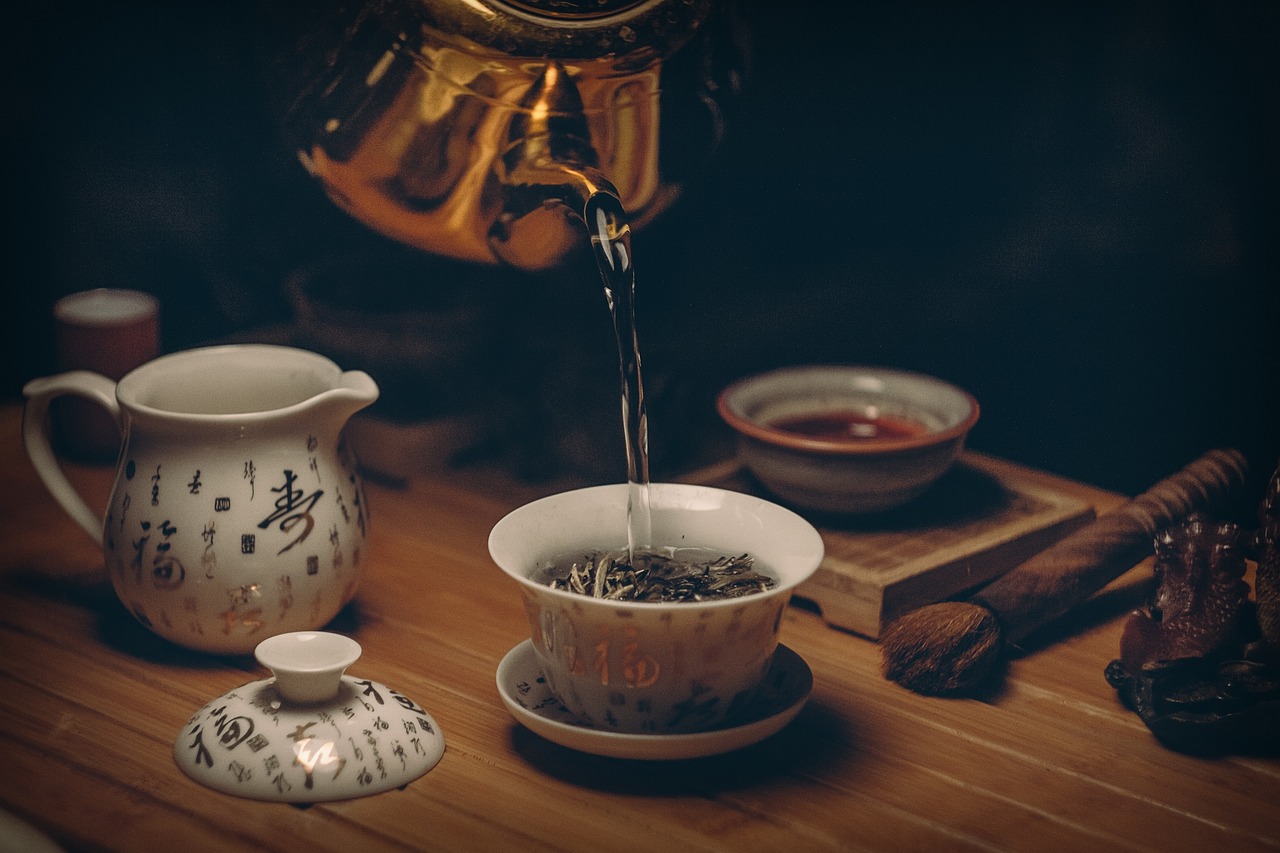
- Get your tea pot. When you sit down, the first thing that arrives is your tea. Choose from the small menu: jasmine is safe and popular, oolong offers depth, and pu-erh is earthy and strong. A pot is usually charged per person.
- Get the order card. The card comes with a row of boxes. Each box represents a specific dish. The cart attendant will stamp the box as you order.
- Flag down carts. Watch for carts with bamboo steamers. When one passes, look at what’s inside—many have the lid slightly tilted. Point to what you want. The attendant will lift it for your table.
- Pace yourself. Start with lighter steamed items like har gow and cheung fun. Then move to fried or baked dishes later. This prevents the food from getting cold and heavy too fast.
- Re-order as needed. You don’t need to order everything at once. Wave down another cart when you’re ready. Carts are continuous.
Timing matters. Go before 11 AM to dodge the worst lines. If you’re flexible, 1:30 PM is when some restaurants offer discounted pricing on remaining items.
The Role of Tea in Dim Sum: Which Tea to Drink and Why
Tea isn’t just a drink in dim sum—it’s the digestive anchor. The right tea cleanses the palate between bites of rich dumplings, fried spring rolls, and sweet buns.
- Jasmine tea (xiang pian): Lightly floral. Best with steamed items like har gow, siu mai, and cheung fun. It doesn’t overpower delicate flavors.
- Oolong tea (wulong): Slightly roasted and more aromatic. Pairs well with fried items like spring rolls and taro puffs. It can stand up to bolder textures.
- Pu-erh tea: Earthy and dark. This is your go-to for heavy meat dishes like ribs, tripe, or chicken feet. It cuts through grease better than any other tea.
- Chrysanthemum tea: Fragrant and light. It’s a good choice for those who don’t drink caffeine, though it’s not traditional in every house.
A practical note: keep your tea pot lid slightly tilted open when you want a refill. That’s the universal signal to the server to bring more hot water. And don’t forget the finger-tap thank-you.
Dim Sum vs. Other Chinese Brunch Traditions: Key Differences
Dim sum is distinctly Cantonese. It’s not the same as the breakfasts eaten in northern China or even the morning tea across other regions. Understanding these differences helps frame the tradition correctly.
- Cantonese dim sum (yum cha): Small shared plates, cart service, heavy emphasis on tea. This is the brunch tradition most people know.
- Northern Chinese breakfast: Centered around congee (rice porridge), you tiao (fried dough sticks), and savory soy milk. It’s hearty, filling, and cheap. There’s no tea ceremony component.
- Shanghainese breakfast: Xiaolongbao (soup dumplings), scallion pancakes, and sticky rice rolls. While soup dumplings are often lumped in with dim sum, they are a separate regional tradition served in specialist houses.
- Tea houses in other regions: China has many tea cultures, but the specific ritual of yum cha with dim sum is unique to the Cantonese-speaking areas.
If you’re looking for dim sum, stick to Cantonese restaurants. Everything else is a sibling, not a twin.

Best Gear for an Authentic Dim Sum Experience at Home
Bringing dim sum into your own kitchen is rewarding. You don’t need a full commercial setup, but a few key pieces make the difference between a frustrating attempt and a successful one.
- Bamboo steamers: These are essential for steaming dumplings and buns. Look for a dual-tier set with a tight-fitting lid. Anyone serious about replicating restaurant texture without a metal steamer should consider a bamboo steamer set.
- Cleaver: A good cleaver is a dim sum kitchen workhorse. It chops, slices, and minces. Choose one with a wide blade that can also crush garlic. Best for: cooks who prep their own fillings.
- Dipping sauce bowls: Small ceramic bowls for soy sauce, chili oil, and vinegar. They keep your plate organized and prevent pooling. Best for: anyone who likes to mix sauces.
- Dim sum cookbook: A reliable cookbook like The Dim Sum Field Guide provides recipes and folding techniques. Best for: intermediate cooks who want to go beyond the basics.
Each tool is available through standard kitchen retailers or online. The key is buying quality—cheap bamboo steamers can warp or split quickly.
Dim Sum for Special Diets: Navigating Vegetarian, Gluten-Free, and Allergies
Traditional dim sum is heavy on pork, shrimp, and wheat-based wrappers. But with the right approach, you can still enjoy a meal without compromise. Here’s how to handle common dietary needs.
Vegetarian and Vegan
Vegetable dumplings exist, but be careful. Many are filled with shrimp paste or pork fat for moisture. Ask the restaurant directly or look for “plain veggie” options. Steamed rice noodle rolls (cheung fun) with mushrooms or without filling are usually safe. Steamed bean curd skin rolls and steamed gai lan (Chinese broccoli) are solid bets at more traditional houses.
Gluten-Free
Rice noodle rolls (cheung fun) are naturally gluten-free, as are har gow and many steamed dumplings made with wheat starch and tapioca starch. Avoid char siu bao and other buns, which are wheat-based. The issue is less about food and more about soy sauce—ask for tamari or a gluten-free soy sauce substitute.
MSG and Additives
MSG is common in dim sum, especially in sauces and meat marinades. If you’re sensitive, ask your server “mei yau m see yan” (Cantonese for “no MSG”). Some restaurants accommodate, others don’t. Realistically, you’ll have better luck at higher-end traditional places than budget options.
Frequently Asked Questions About Dim Sum Traditions
Is dim sum only for breakfast?
Dim sum is a morning-to-mid-afternoon affair. Most restaurants serve it from around 9 AM to 3 PM. A few places offer it at dinner, but the selection and quality usually drop.
Do I need to know Chinese?
Not at all. Pointing, nodding, and smiling works fine. Many dim sum houses in urban centers have English menus or photo menus. Just be polite and patient.
What if I don’t like tea?
Hot water, soft drinks, and sometimes beer are available. But tea is the heart of the meal. Even a mild jasmine tea enhances the experience. You might surprise yourself.
How many dishes per person should I order?
Plan for 3–4 items per person. Start with three, and reorder if you’re still hungry. Over-ordering leads to cold food and wasted money.
Final Tips for Getting the Most Out of Your Dim Sum Experience
Dim sum is best shared. Go with a group of four or more to sample a wider range. Be patient—especially when carts are busy. And try at least one new dish each visit. Over time, you’ll build a personalized list of favorites that no guide can give you.
Use this dim sum guide traditions article as your reference for your next outing or your first attempt at making dim sum at home. Knowing the rhythm, the etiquette, and the menu puts you ahead of the casual diner. Go hungry, bring curiosity, and let the tea flow.