What is Rapa Nui National Park? Understanding Its Scope and Significance
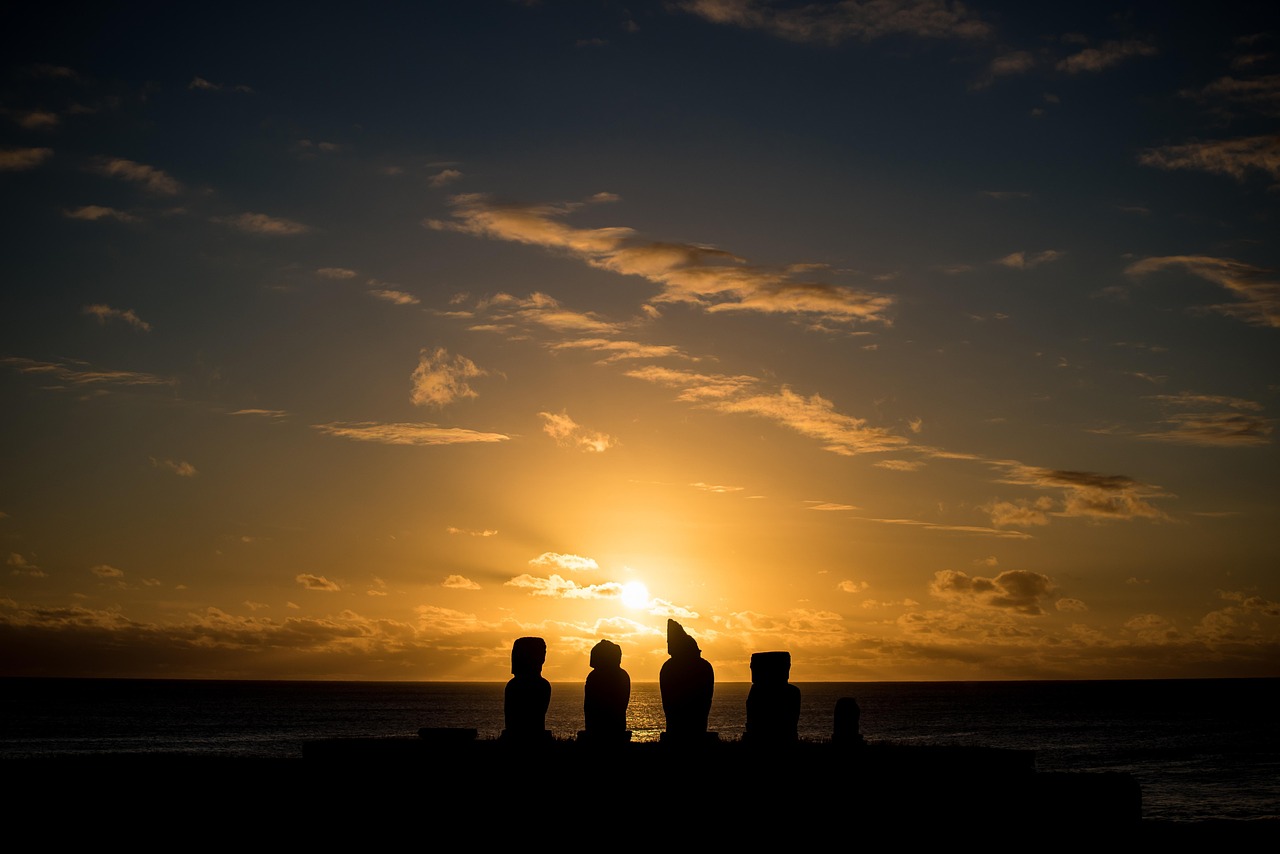
Before you book anything, it helps to understand exactly what Rapa Nui National Park is and why the rules matter. Established in 1935 and designated a UNESCO World Heritage Site in 1995, the park covers nearly half of Easter Island. It protects the most significant archaeological sites, including the famous moai statues, ceremonial platforms (ahu), and ancient villages. The park isn’t a single fenced area—it’s a mosaic of protected zones spread across the island, from the volcanic quarry at Rano Raraku to the coastal ahu. This matters because access to each zone is controlled by your park ticket, and driving between them takes planning. Understanding the park’s scope helps you avoid wasting time or missing key sites. Think of it as a cultural landscape, not a theme park. The local Rapa Nui community manages the park with the Chilean government, so respect for the land is built into every visit.
Visiting Rapa Nui National Park takes some preparation. This guide is for first-time visitors who are ready to book and need clear, practical advice on logistics, tickets, and planning. The content is based on firsthand experience and research to help you avoid common pitfalls. We’ll cover everything from getting a ticket to choosing between a guided tour and a self-guided visit, so you can make informed decisions and actually enjoy your time on the island.

Do You Need a Ticket for Rapa Nui National Park? (The Complete Ticket Breakdown)
Yes—you cannot enter the archaeological sites without a Rapa Nui National Park ticket. This is a mandatory pass that grants access to most moai sites, including Ahu Tongariki, Rano Raraku, Orongo, and others. The ticket is valid for 10 consecutive days from the date of first use, which covers the typical length of stay for most visitors. As of my last visit, the cost was approximately $80 USD per adult (prices can change, so check the official CONAF website before you go).
Where to buy it: You can purchase the ticket at the Mataveri Airport upon arrival, at the CONAF office in Hanga Roa, or at some hotel reception desks. Buying it at the airport is the most efficient option—you’ll avoid a separate trip into town and can start exploring faster. You’ll need cash in Chilean pesos, as not all ticket booths accept credit cards. I recommend withdrawing enough cash at the airport ATM to cover your ticket and some extra for small purchases. A simple travel money belt can help keep your cash and documents secure during the day.
Important note: The park ticket is separate from the entry fee to Easter Island itself, which is handled through your flight booking and airport arrival. The park ticket covers your access to the archaeological sites within the park, so don’t confuse the two. Once you have your ticket, you can visit each site once within the 10-day validity period. There’s no need to buy individual tickets for each site. One common mistake is losing the ticket—keep it in a safe, dry place. I use a small waterproof pouch to protect mine from the occasional rain shower.
How to Get to Rapa Nui National Park: Flights and Arrival Logistics
The only practical way to get to Easter Island is by flying with LATAM Airlines from Santiago, Chile. Flights operate daily during peak season (December to March) and slightly less frequently in the off-season. The flight takes about 5.5 hours over the Pacific, so it’s a long haul but manageable. Expect to pay anywhere from $400 to $800 USD round trip, depending on how early you book and the season. Booking at least 3-4 months in advance is your best bet for reasonable rates.
Arrival in Mataveri Airport is straightforward. You’ll go through immigration, then collect your bags. Once you clear customs, you can buy your park ticket at the CONAF booth just outside the arrivals hall. From there, it’s a short walk or a $5 taxi ride into Hanga Roa, the only town on the island. The airport is less than 1 km from the town center, so you can easily walk if you’re not carrying heavy luggage. For the long flight, I highly recommend bringing a good pair of noise-canceling headphones—the cabin noise can be intense. If you are looking for excellent comfort and sound quality on a long flight, the Sony WH-1000XM5 is worth considering. Find Sony WH-1000XM5 on Amazon. A travel pillow also makes a big difference for sleep on the plane.

Where to Stay: Best Accommodations Near the Park for First-Timers
Hanga Roa is your base for the entire trip. The town has accommodations for every budget, from budget guesthouses to luxury lodges. Here’s a quick comparison of three solid options:
- Budget: Hostal Tojika. This is a clean, no-frills guesthouse about a 10-minute walk from the town center. Rooms are basic but comfortable, and the staff is helpful. You’ll get a simple breakfast for around $50-70 USD per night. It’s fine if you’re on a tight budget, but expect some street noise and limited hot water.
- Mid-Range: Hotel Taha Tai. This is my top recommendation for most travelers. It’s a boutique hotel with a pool, good breakfast, and friendly service. Rooms are spacious with private bathrooms and decent Wi-Fi. It’s a 15-minute walk from the park entrance at Rano Raraku. Prices range from $120 to $180 USD per night.
- Splurge: Explora Rapa Nui. This is a high-end lodge with all-inclusive packages that include guided tours, meals, and transfers. It’s located in a quiet area with stunning views. Expect to pay $400+ USD per night. It’s worth it if you want a luxury experience, but you’ll be isolated from the town’s restaurants and bars.
A key tip: book your accommodation at least 2-3 months ahead of high season (January through March). Rooms fill up fast, and prices spike. If you’re flexible, traveling in October or April can save you 20-30%.
Top Moai Sites to Visit Inside Rapa Nui National Park
Four sites are essential for any first-time visitor. Each offers a different perspective on the moai culture.
- Ahu Tongariki. This is the most iconic site: 15 massive moai lined up on a long platform. It’s best visited at sunrise when the light hits the statues directly. Budget at least 1 hour here. The site is easily accessible by car, and there’s a large parking area. Arrive early (by 6:30 AM) to beat the crowds and get the best photos.
- Rano Raraku. This is the quarry where most moai were carved. You’ll see unfinished statues still embedded in the volcanic rock, some over 20 meters tall. It’s a hike up a slope, so wear comfortable shoes. Allow 1.5-2 hours. You need a guide to enter this site—either a private guide or your tour group leader. This is your best chance to see the moai in their raw, uncompleted state.
- Anakena Beach. Here you’ll find two ahu with moai right on the sand. It’s also a good spot for swimming if the weather is calm. Budget 1-2 hours, especially if you want to relax. The beach has a small snack bar, but bring your own water and lunch to save money.
- Orongo. This is the ceremonial village on the rim of the Rano Kau volcano. The petroglyphs and stone houses are fascinating, and the views of the crater lake are spectacular. It’s windy here, so bring a jacket. Allow 1 hour. It’s often overlooked by rushed visitors, but it’s worth the detour.
To cover multiple sites efficiently, I recommend renting a car in Hanga Roa. Prices start at around $50 USD per day for a basic vehicle. Alternatively, join a guided tour that includes transportation. For deeper context, consider buying a good guidebook like the Lonely Planet Easter Island guide. Find Lonely Planet Easter Island on Amazon. A portable power bank is also essential for all-day photography—you’ll be taking hundreds of photos.

Rapa Nui Guided Tour vs. Self-Guided Visit: Which is Better?
This is a common decision point for travelers. Here’s the breakdown.
Guided Tour: Pros include transport included, skip-the-line access at busy times, and a local guide who can explain the cultural and historical context. This is especially helpful at Rano Raraku, where you’re required to have a guide. Cons: fixed schedule, less flexibility, and you’ll be with a group. Recommended for first-timers with limited time who want the full story without the planning headache.
Self-Guided: Pros: set your own pace, cheaper if you have a rental car, and more freedom to linger at sites you love. Cons: you need to handle transportation, navigate alone, and you might miss some cultural insights. Language barriers can also be an issue at information boards. Recommended for experienced travelers who enjoy research and have at least 3-4 days on the island.
If you choose a guided tour, I recommend booking through a reliable platform like GetYourGuide. Browse guided tours of Easter Island on GetYourGuide. If you go self-guided, rent a car from a local agency—start with Rentalcars.com to compare prices. Search for car rentals on Easter Island via Rentalcars.com.
Common Mistakes Travelers Make at Rapa Nui National Park
Here are the most frequent errors I’ve seen—and how to avoid them.
- Not checking park ticket expiration and included sites. Your 10-day ticket starts the day you activate it. Make sure you plan your site visits accordingly. Some visitors lose a day because they don’t realize the clock starts at the first scan. Always check the list of included sites on your ticket.
- Underestimating driving time between sites. Google Maps can be inaccurate. Roads are unpaved in many areas, and speed limits are low. For example, driving from Hanga Roa to Ahu Tongariki takes about 45 minutes, not the 30 minutes maps might show. Add buffer time to avoid rushing.
- Not bringing enough water and sun protection. Most sites have zero shade. The sun is intense, and you’ll walk a lot. A 1.5-liter reusable bottle and high-SPF sunscreen are non-negotiable. A wide-brimmed hat also helps a lot.
- Climbing on moai. This is illegal, disrespectful, and damages the statues. Stay at least a few meters away. If you see others doing it, don’t follow. It’s a cultural site, not a photo prop.
- Skipping Orongo due to time constraints. Many visitors rush past it to see more moai. But Orongo offers a unique glimpse into the birdman cult and has incredible petroglyphs. It’s a 20-minute drive from Hanga Roa and worth 1 hour of your time. Don’t skip it.
What to Pack for Visiting Rapa Nui National Park: Practical Gear Checklist
Pack light, but pack smart. The conditions are dusty, sunny, and windy. Here’s what you actually need:
- Sturdy walking shoes. The paths are uneven, rocky, and sometimes muddy. Travelers who need reliable footwear for rough terrain may find the Merrell Moab line a practical choice. Find Merrell Moab on Amazon.
- Reusable water bottle. There are a few refill stations at larger sites, but they’re rare. A 1-liter Hydro Flask keeps water cold all day.
- High-SPF sunscreen. The sun is brutal, and you’ll be outside for hours.
- Light jacket or windbreaker. It’s windy at Orongo and along the coast. A packable jacket like the Patagonia Houdini is perfect. Check out the Patagonia Houdini on Amazon.
- Daypack. You’ll need something to carry all of the above.
- Camera or smartphone with good zoom. You’ll want to capture the moai from a distance. A good zoom lens or a phone with telephoto capability helps.
Don’t overpack. You’ll walk a lot, and a heavy bag is a nuisance. Stick to the essentials.
Best Time to Visit Rapa Nui National Park: Weather, Crowds, and Costs
The best balance of good weather, lower crowds, and reasonable prices is in October and April. These shoulder months offer comfortable temperatures (around 20-25°C / 68-77°F) with less rain than the winter months. The island is crowded from December through March, when flights are full and hotel prices are 30-50% higher. If you can, avoid the peak season unless you’ve booked well in advance. Winter (June–August) is cooler, windier, and rainier, but you’ll have the sites mostly to yourself.
Weather can be unpredictable. Park sites occasionally close due to heavy rain, which can wash out roads or make paths slippery. Check the forecast a few days before you go, but be prepared for last-minute changes. To protect your investment, consider travel insurance.
How to Respect Rapa Nui Culture While Visiting the Park
This isn’t just about following rules—it’s about showing respect. First, do not touch or climb on the moai. The stone is fragile, and oils from your skin can accelerate weathering. More importantly, the moai are considered living ancestors by the Rapa Nui people. Climbing them is deeply disrespectful. Second, ask permission before photographing local people. Many are happy to talk with you, but a quick ‘may I?’ goes a long way. Finally, do not remove any stones, artifacts, or plants from the park. Even a small rock fragment is part of the cultural landscape. The park is a living cultural heritage site, not a souvenir shop. Following these simple guidelines ensures you leave a positive footprint.
Frequently Asked Questions About Rapa Nui National Park
Can you visit the park in one day?
You can physically see the main sites in one long day, but you’ll rush and miss the deeper experience. I recommend at least 2 full days to explore comfortably without burnout. One day for Ahu Tongariki, Rano Raraku, and Anakena; another for Orongo and smaller sites.
Is the park safe?
Generally yes. The main risks are tripping on uneven paths, sunburn, and dehydration. Stay on marked trails—deviation can damage the fragile environment and put you at risk of falls. Theft is rare in the park, but don’t leave valuables visible in your car.
Do I need a guide for all sites?
No. Only Rano Raraku requires a guide for entry. Other sites are open to self-guided visits. That said, a guide adds rich context and can make your visit more meaningful.
Can I drive myself?
Yes. Rental cars are available in Hanga Roa. Roads are paved in town, but many park access roads are gravel or dirt. A standard car is fine, but 4×4 is helpful in wet conditions. Rent from a local agency—international chains are limited.
What about food inside the park?
Food options are extremely limited. There’s a small snack bar at Anakena Beach, but it’s overpriced and has limited hours. Bring your own snacks, water, and lunch. A simple picnic setup with a sandwich, fruit, and trail mix works well.
Final Tips for Booking Your Trip to Rapa Nui National Park
Here’s a quick recap to help you lock in your plans. Book your flights at least 3-4 months ahead. Arrange accommodation as soon as you book your flight—especially if traveling in high season. Buy your Rapa Nui National Park ticket at the airport upon arrival. Decide on guided vs. self-drive based on your time and comfort level. If you only do one thing, secure your Rapa Nui National Park ticket and guide early—it makes everything else easier. The guided tour option through GetYourGuide is a solid choice for stress-free exploration. Book a guided tour of Rapa Nui National Park on GetYourGuide. For additional reading, grab the Lonely Planet Easter Island guide for trip planning. Find Lonely Planet Easter Island on Amazon. Enjoy your trip—it’s worth every bit of planning.