Introduction
If you’ve ever ordered a biriyani and wondered why it tasted completely different from the last one you had, you’re not alone. The truth is, biriyani isn’t one dish — it’s a family of dishes, each with its own identity, ingredients, and cooking logic. Understanding biriyani regional varieties is the difference between a good meal and a great one, whether you’re ordering in a restaurant, traveling, or trying your hand at cooking. This guide is for food enthusiasts, travelers, and home cooks who want to know what makes each style distinct. You’ll learn the key methods, the ingredient choices, and the common pitfalls that separate a masterful biriyani from a mediocre one. No hype, just practical knowledge you can use.

The Two Core Cooking Methods: Pakki vs. Kacchi
Before diving into regions, you need to understand the fundamental split in biriyani preparation. Almost every regional variety stems from one of two methods: Pakki (cooked) or Kacchi (raw).
Pakki biriyani starts with fully cooked meat and partially cooked rice, which are then layered and steamed together. This method is more forgiving, especially for home cooks. The meat is already tender, so you’re less likely to end up with dry chunks. The tradeoff? The flavors don’t penetrate as deeply. The rice and meat remain more distinct, which some prefer and others find less cohesive.
Kacchi biriyani is the opposite. Raw, marinated meat is layered with partially cooked rice and then sealed and slow-cooked (dum) together. The meat finishes cooking in its own juices, absorbing the rice’s fragrance. This method produces more flavorful, melt-in-your-mouth meat, but it’s unforgiving. Wrong timing or a weak seal means undercooked meat or mushy rice. If you’re eating biriyani in a restaurant, the Kacchi style tends to be the mark of a serious kitchen. It requires experience and attention.
When ordering, ask whether the biriyani is Kacchi or Pakki. It tells you a lot about what to expect in terms of texture and richness.
Hyderabadi Biriyani: The Gold Standard of Kacchi
Hyderabadi biriyani is the benchmark for Kacchi style, and for good reason. It originates from the Nizam’s kitchens and has been refined over generations. The key ingredients are aged basmati rice, yogurt-marinated meat (usually chicken or mutton on the bone), fried onions, saffron, and a precise set of spices: cinnamon, cardamom, cloves, and a hint of nutmeg.
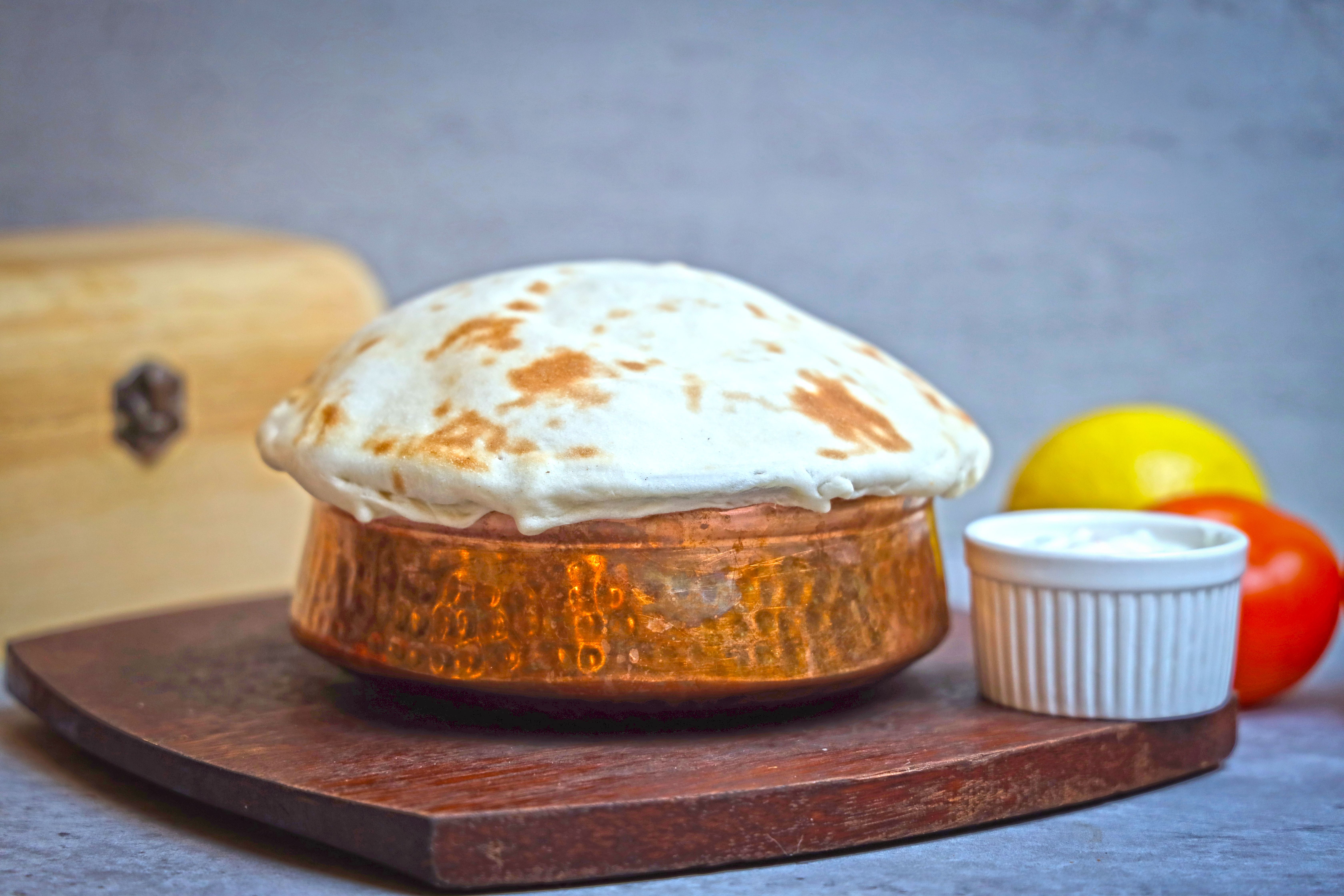
What makes it distinct is the layering technique. The marinated meat goes at the bottom of a heavy pot, topped with partially cooked rice, then fried onions, mint, and saffron milk. The pot is sealed with dough and slow-cooked over a low flame — dum cooking. The result is aromatic rice with deeply spiced, tender meat.
Common mistakes? Over-marinating the meat can make it mushy, and undercooking the rice (even slightly) ruins the texture. In Hyderabad, the best places are Biriyani House, Paradise, and smaller spots in the old city. If you’re cooking at home, invest in a quality heavy-bottomed pot or handi. A tight-fitting lid is non-negotiable. For a good starting point, look for a stainless steel or brass handi with a thick base — it distributes heat evenly and prevents burning. Those who are just starting out may find a heavy-bottomed pot a helpful investment for consistent results.
Kolkata Biriyani: The Sweet, Spiced Bengali Variation
Kolkata biriyani is a lighter, more aromatic cousin of its northern predecessors. It owes its origins to Awadhi cooks who migrated east, but Bengalis made it their own. The signature addition? Potatoes and boiled eggs. Yes, potatoes in biriyani. It may sound odd, but they absorb the subtle spices beautifully.
This style is less oily than Hyderabadi. The spice blend is more subtle — think less heat, more fragrance from ghee, whole spices, and a whisper of rose water. It’s often slightly sweet due to caramelized onions. For a traveler in Kolkata, old-school restaurants like Arsalan and Shiraz serve authentic versions. The tourist versions at cheaper spots often go overboard on sweetness, so stick to the legacy places. This biriyani is a good choice if you want complexity without a fiery kick. It pairs particularly well with a simple raita.

Lucknowi (Awadhi) Biriyani: The Elegant Pakki Style
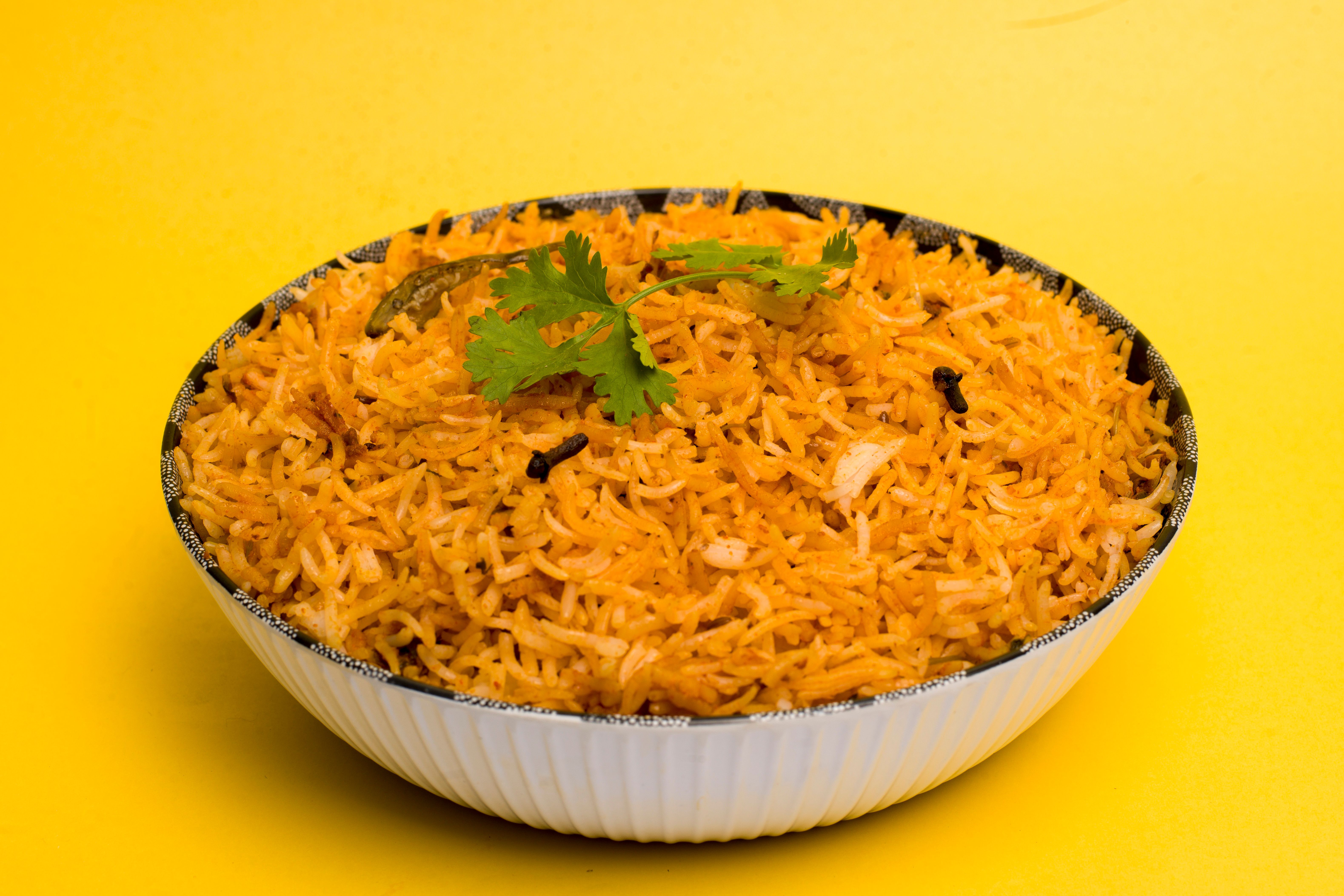
Lucknowi or Awadhi biriyani is the refined, Pakki style from the former kingdom of Awadh. It’s all about subtlety: slow-cooked dum meat, each grain of rice separate, and a fragrance that comes from kewra water and meetha attar (a sweet perfume). The meat — often mutton or chicken — is cooked until it falls off the bone, but it’s not swimming in oil.
How to tell a good Lucknowi biriyani? The rice should be fluffy and distinct, not clumpy. The meat should be succulent. Over-spicing or overhandling the rice is a common mistake at home. If you’re cooking, keep the spice blend simple: bay leaves, cardamom, cinnamon, cloves, and mace. A good cookbook on Awadhi cuisine can be helpful, or a quality biriyani spice kit that includes kewra water and attar can save time. The difference between a good and great Lucknowi biriyani often comes down to these aromatic additions.
Sindhi Biriyani: The Spicy, Tangy Favorite from Pakistan
Sindhi biriyani, popular in Karachi and across Sindh province, is the bold spice lover’s choice. It’s tangy from tomatoes and dried plums (alu bukhara), heavy on coriander and green chilies, and yogurt is used in the marinade for extra tenderness. The heat is upfront, not hidden.
Compared to Hyderabadi biriyani, it’s more acidic, less reliant on saffron, and often includes vegetables like carrots and peas. The texture is drier, with less gravy. If you’re a traveler in Pakistan, look for street stalls that cook in front of you — that’s a good sign. At home, you can replicate it with a pressure cooker (for the meat) and a heavy pan for layering. To tone down the heat, reduce the green chilies and use yogurt that’s not too sour. The dried plums are non-negotiable; they’re the secret to the tang.
Bombay (Mumbai) Biriyani: The Urban Mash-Up
Bombay biriyani is what happens when a cosmopolitan city takes a classic and adapts it. It’s often tomato-based, with a slight sweetness from caramelized onions and sometimes a pinch of sugar. The meat is usually chicken, and you’ll often find it served with a side of bhuna masala gravy — something you don’t typically see elsewhere.
This style is forgiving for home cooks because it’s more flexible. The gravy on the side compensates for any dryness, and the flavors are straightforward. On the downside, low-end spots in Mumbai can serve a greasy, poorly layered version that’s basically colored rice with spice. For a good one, look for neighborhood stalls that have queues. A great serving dish (like a copper or ceramic pot for serving rice) adds to the experience if you’re cooking at home. A good-quality rice spoon helps prevent breaking the grains.
Dindigul Biriyani: The Underrated South Indian Star
From Tamil Nadu comes Dindigul biriyani, a completely different beast. It uses seeraga samba rice (a small, fragrant grain native to the region) instead of basmati. The meat is cubed, not shredded, and the flavor comes from a tangy mix of lemon, curd, and fresh mint and coriander. This is a drier, intensely flavored biriyani — less saucy than northern styles, but far from bland.
If you find this style too heavy, you’re not used to it. For those who love strong flavors without the heaviness of oil or ghee, it’s perfect. Finding seeraga samba rice online is possible, and it’s worth the effort if you want to cook authentically. A good quality basmati can work in a pinch, but it won’t be the same. Dindigul biriyani is often paired with salna (a thin gravy) and brinjal curry. It’s best for those who want intense taste without a heavy stomach.

Thalassery Biriyani: The Malabar Coastal Favorite
Thalassery biriyani from Kerala uses kaima rice (a short-grained, fragrant variety). The meat is typically chicken or beef, and the biriyani is rich with fried onions, cashews, and raisins. The spice blend includes fennel, giving it a slightly sweet, aromatic profile.
This style is richer and sweeter than Dindigul, thanks to the nuts and dried fruits. It’s best for special occasions. The challenge for home cooks is preventing it from becoming too sweet. Balance the caramelized onions with a good amount of salt and a pinch of black pepper. A heavy-bottomed pan is essential to avoid burning the bottom layer. If you’re in Kerala, Thalassery town has some excellent old-school spots. This biriyani pairs well with a simple lime pickle and a fresh green salad.
Common Mistakes When Making or Ordering Biriyani
Here are the most frequent errors, both in the kitchen and when ordering out:
- Wrong rice: Using old, broken, or non-fragrant rice makes a huge difference. Long-grain basmati is non-negotiable for most styles. For Dindigul or Thalassery, you need the specific regional rice.
- Over-spicing the meat: It’s easy to burn your mouth. Stick to the traditional spice blend for each style. Less is often more.
- Not layering properly: The meat and rice need to be in distinct layers, not mixed. This affects cooking and texture.
- Opening the dum seal too early: Patience is key. The steam must do its work. Opening the pot early releases all that moisture and aroma.
- Confusing biriyani with pulao: Pulao has rice cooked in spiced water. Biriyani has layered cooking. They’re not the same.
For travelers, look for handi marks on the pot (a sign of traditional dum cooking), a strong aroma, and rice that’s separate, not clumped. Avoid places that serve colored rice with a separate spoon of meat — that’s a pre-mixed cut.
How to Choose the Right Biriyani for Your Taste
Not all biriyanis are equal in heat or richness. Here’s a quick guide:
- For bold spices and heat: Go for Sindhi or Hyderabadi. The spicing is upfront and intense.
- For something light and aromatic: Choose Lucknowi or Kolkata. They’re subtle, less oily, and rely on fragrance.
- For a drier, more intense flavor: Try Dindigul. It’s not saucy, but the flavor hits hard.
- For a rich, special-occasion style: Thalassery. The nuts and dried fruits make it luxurious.
- If you want a beginner-friendly version: Bombay biriyani. The gravy on the side is forgiving.
Dietary considerations: Chicken is the most common, but mutton is traditional for many styles. Vegetarian versions exist but are often adaptations, not traditional. For the best experience, stick to meat-based versions if you’re exploring authenticity.
Essential Tools and Ingredients for Making Biriyani at Home
To make biriyani that tastes authentic, you don’t need a commercial kitchen, but good tools help. Here’s what to have:
- A heavy-bottomed pot or handi: Thick base (brass or stainless steel) for even heat. No thin pans.
- A tight-fitting lid: Sealing is crucial for dum cooking. Aluminum foil under the lid helps seal it.
- A rice cooker (optional): For Pakki style, a rice cooker ensures perfectly cooked rice every time. It’s not traditional, but it’s reliable.
- High-quality rice: Aged basmati for most styles, or seeraga samba for South Indian variants. Buying from trusted brands online is a good idea.
- Saffron: Real saffron, not turmeric. It adds color and aroma.
- Kewra water: For Lucknowi or Kolkata styles. It’s available online.
- A spice box: Keep whole spices (cardamom, cloves, cinnamon, bay leaves) handy.
A good quality pot is the single best investment. Look for one that’s heavy and has a lid with a bit of weight. For a solid starter set, a heavy pot for cooking biriyani can help you avoid burning the bottom layer more times than you’d think.
Final Tips for Exploring Biriyani Like a Local
Here’s how to get the most out of your biriyani adventures, whether at home or on the road:
- Try street-side stalls, but choose wisely. Look for places with long queues and visible cooking – they’re making it fresh. Avoid spots with pre-made biriyani sitting under lamps.
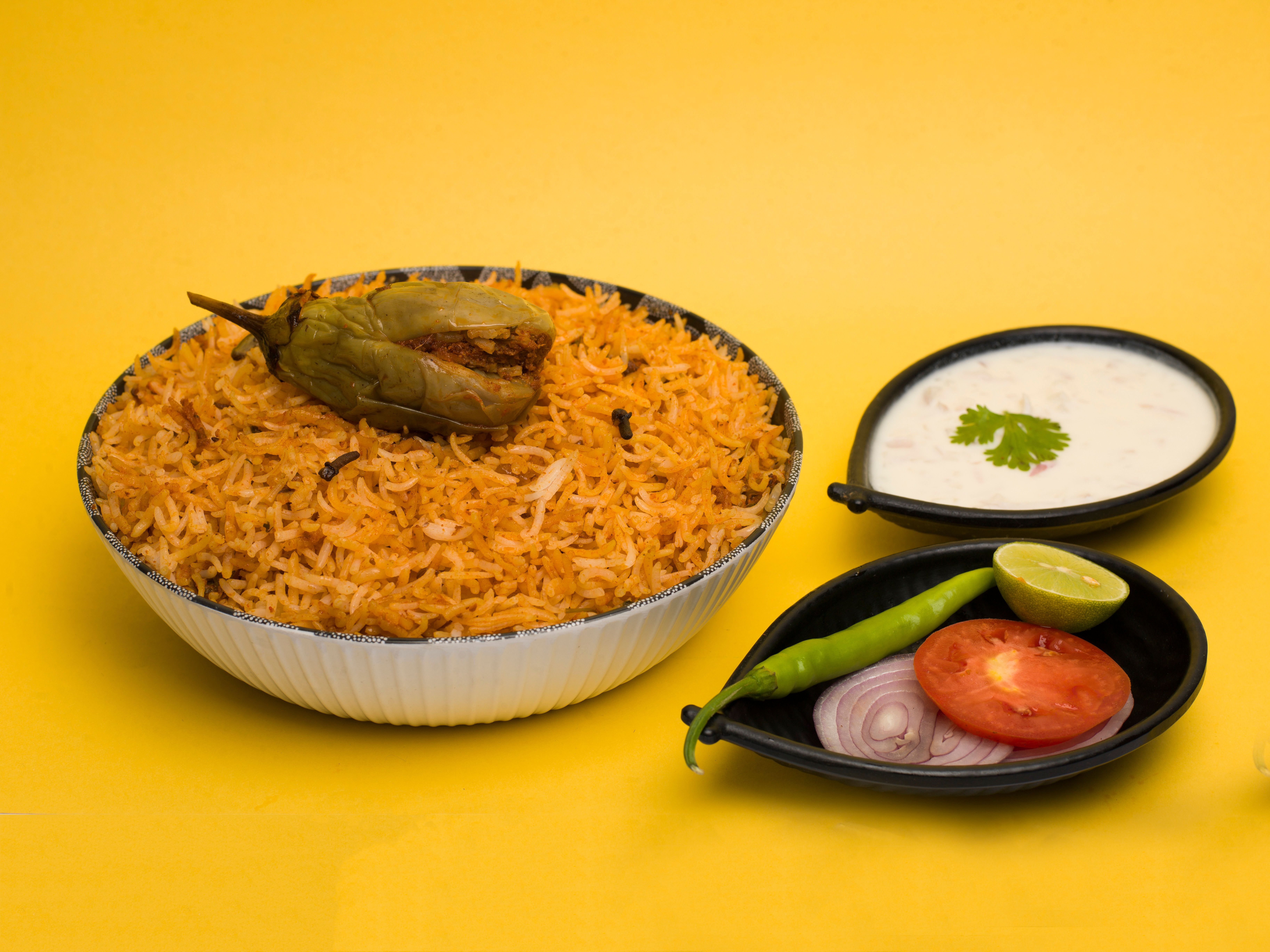
- Always ask for extra raita. It cuts through the spice and adds a cooling contrast. A simple boondi raita is ideal.
- Avoid ordering biriyani at night. Many restaurants and stalls reheat leftover biriyani from the day. It loses its texture. Lunch is the safest bet.
- Check for fresh rice. The grains should be separate, not clumpy, and the aroma strong and inviting. If it smells like old oil, pass.
- For travelers: If you see a biriyani pot sitting on a low flame with dough sealed around the lid, that’s a good sign. The kitchen is doing it right.
Now that you know the biriyani regional varieties, which one will you try first? Let us know in the comments or share your experience exploring these dishes. Happy eating.