Introduction
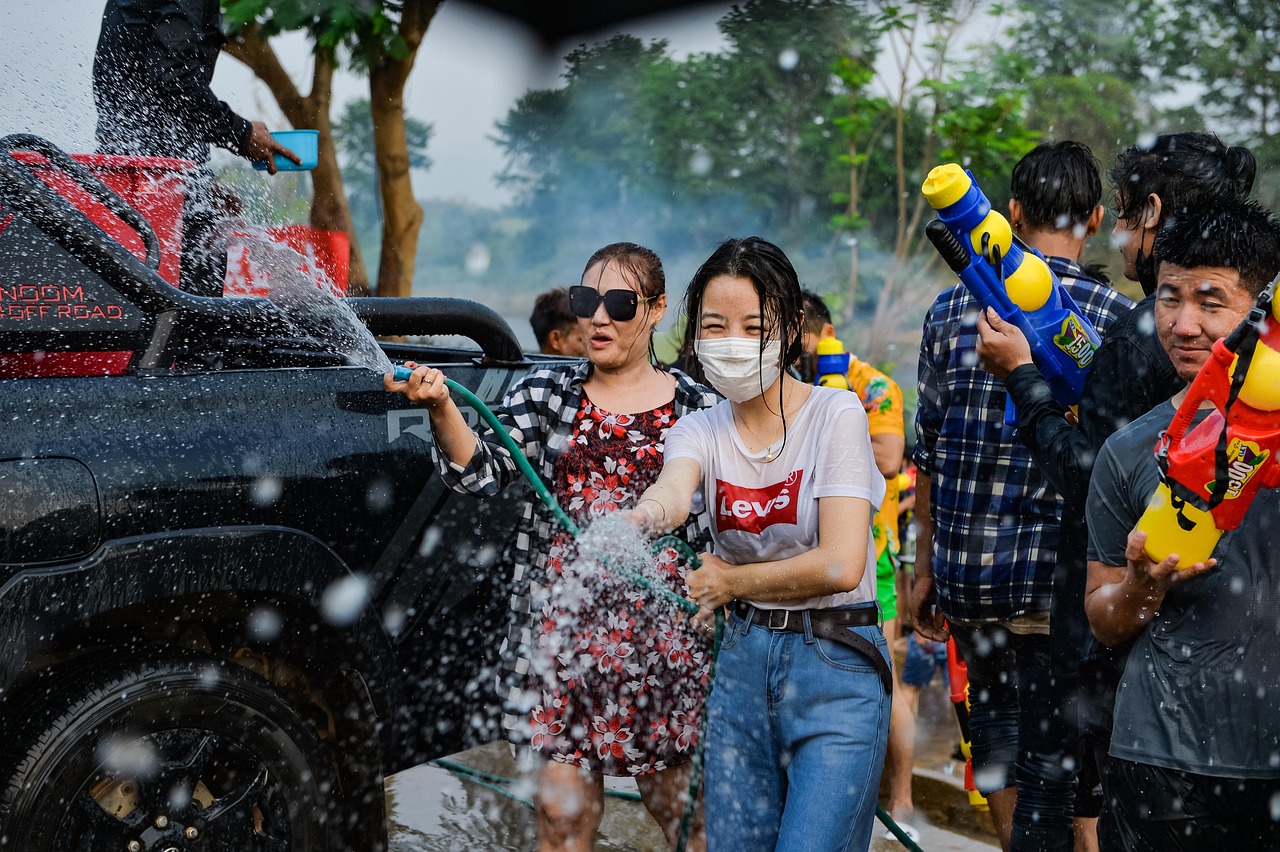
Songkran, the Thai New Year water festival, is equal parts chaos and celebration. For most visitors, it looks like a week-long nationwide water fight. For locals, it’s about family, temple visits, and spiritual cleansing. If you’re looking into the songkran thai new year, you’re likely trying to figure out if it’s worth the trip, where to go, and how to get through it without losing your phone or your sanity. This guide covers the practical logistics, the best locations, what to wear, what to bring, and the mistakes you’ll want to avoid. I’ve been through this festival more times than I can count, and the difference between a rough Songkran and a great one usually comes down to preparation.

When Is Songkran? Understanding the Dates
The official dates for Songkran are April 13 to 15. Almost every guide will tell you this, but in practice, the celebrations often stretch a full week or more depending on where you are. Don’t book a flight for April 14 and fly out on April 16 thinking you’ll catch the whole thing. You’ll miss the buildup and the cleanup.
In Chiang Mai, the water festivities often start as early as April 11 and can continue through April 16. The moat area becomes a continuous war zone. In Bangkok, the main water fights happen around Khao San Road and Silom Road, typically from April 13 to 15, but you’ll see people splashing water as early as April 12 in some neighborhoods. Pattaya holds its celebrations a few days later, usually from April 16 to 20, because the city wants to keep the party going for foreign tourists who missed the main dates. If you want a more traditional experience, smaller towns like Ayutthaya or Kanchanaburi stick closer to the official dates with less chaos.
For planning purposes, expect crowds from April 10 to April 20 in major tourist cities. Book your accommodations for the full window if you want flexibility.
Where to Celebrate: Best Cities Compared
Choosing the right city for Songkran can make or break your trip. Not every destination offers the same experience. Here’s a realistic comparison of the major options.
Bangkok – Best for Party Seekers
Khao San Road is the backpacker epicenter. Expect packed streets, DJ trucks, and people throwing ice water at strangers from balconies. It’s loud, chaotic, and not for everyone. Silom Road is bigger, more organized, and attracts a mixed crowd of locals and tourists. Road closures start around midday, and the energy stays high until evening. The downside: getting in and out of these areas is a nightmare. Taxis will refuse you. The BTS is your best bet until they close the stations near Silom. Stay somewhere within walking distance if you plan to go hard.
Chiang Mai – Best for Length and Atmosphere
Chiang Mai has the longest celebration and a more distinct local flavor. The entire old city moat becomes a battlefield. Side streets are just as active as the main roads. The vibe is less commercialized than Bangkok. You’ll see more locals and fewer people trying to sell you shots. The battles around Thapae Gate are legendary. If you want a blend of culture and chaos, this is your spot. Just be prepared for the smell of wet concrete and the constant risk of slipping near the moat.
Pattaya – Best for Extended Celebrations
Pattaya holds Songkran later than the rest of the country. This is useful if your travel dates don’t align with the main event. Beach Road is the focal point, with stages, foam parties, and water guns everywhere. It’s more intense than Bangkok but less culturally grounded. If you want a pure party without pretense, Pattaya delivers. If you want something more family-oriented, this is not it.
Quieter Alternatives – Best for Culture-Focused Travelers
If the idea of being soaked from head to toe for four days sounds exhausting, consider Ayutthaya or Kanchanaburi. These towns celebrate Songkran more traditionally. You’ll see locals visiting temples, pouring water over Buddha statues, and offering food to monks. The water fights are smaller and more contained. You still get the festival atmosphere, but you can retreat to quiet cafes and river views when you need a break. For families with older children, these are solid options.
What to Wear: Practical Clothing and Gear
Your wardrobe choice during Songkran isn’t about fashion. It’s about survival and comfort. You’ll be wet for most of the day and in the sun. Here’s what works.
Quick-dry fabrics are non-negotiable. Synthetic athletic shirts, board shorts, or swim trunks are ideal. Cotton holds water like a sponge and will leave you cold and uncomfortable for hours. Dark colors are better than white, which becomes transparent when wet. Avoid denim entirely. You’ll regret it within twenty minutes.
Water-resistant shoes are worth the investment. Crocs, waterproof sandals, or old athletic shoes you don’t mind ruining are fine. Flip-flops are a bad idea because you’ll step in puddles of unknown origin, and the wet ground makes them slip. You’ll see plenty of people barefoot, but I don’t recommend it. The streets are not clean.
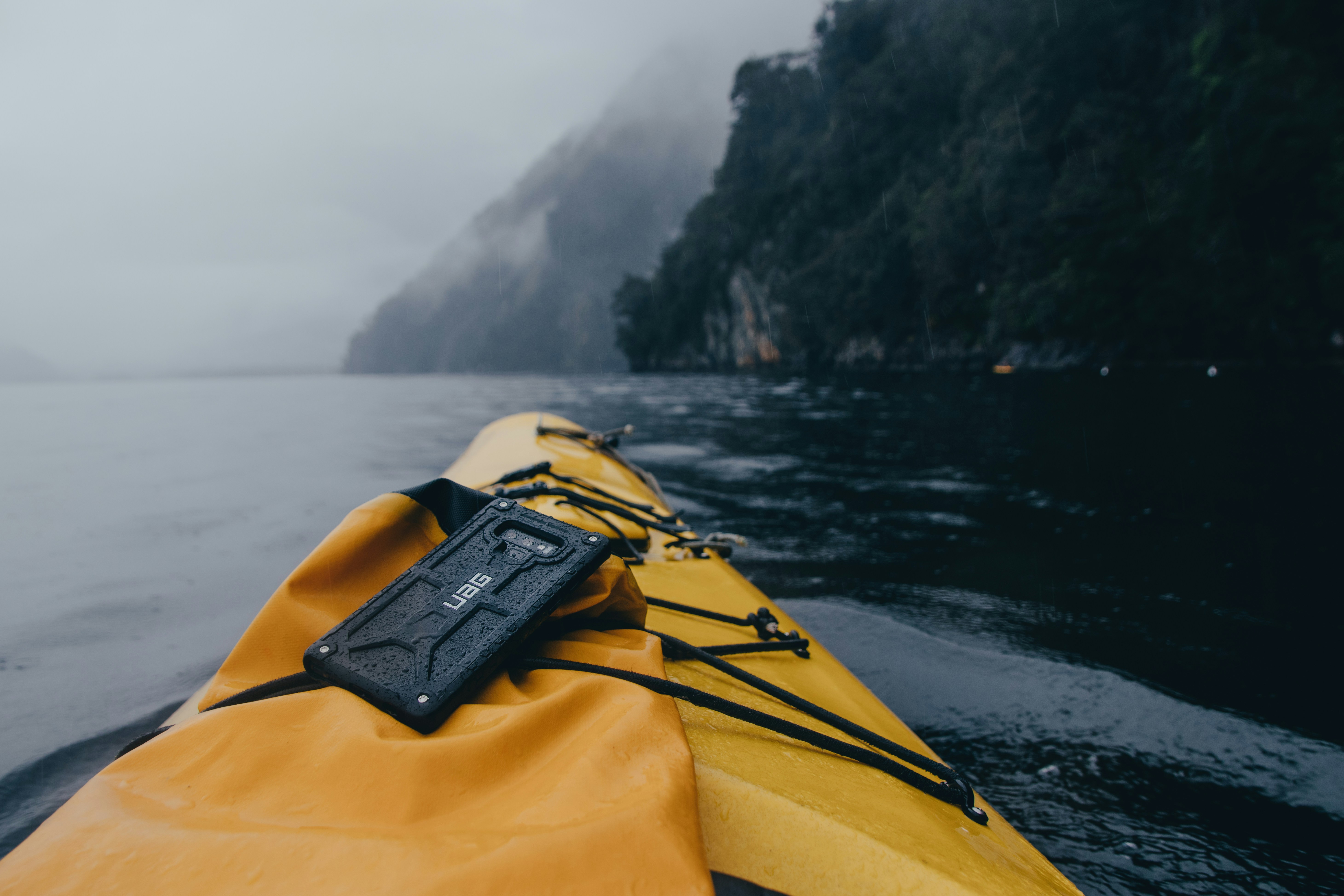
Waterproof phone pouches are the single most important gear item you can bring. Don’t carry your phone unprotected. Even if you think you can avoid water, someone will splash you from a balcony. Travelers who want to keep their phone accessible and dry may appreciate a waterproof phone pouch with a lanyard. A dry bag for your wallet, keys, and extra clothes is also useful if you plan to be out all day. Quick-dry towels are good for drying off between stops or for sitting down without soaking a chair.

Essential Items to Bring to the Festival
Beyond clothing, you need gear to participate and stay functional. Don’t overpack, but don’t show up empty-handed either.
Water guns are available everywhere on the street. You can buy a cheap pump-action gun for 100 to 300 baht. These work fine for a day but often break by the second day. Electric water guns are more reliable but cost five to ten times more. They also require charging and are heavy. I usually buy a cheap pump gun on arrival and accept that it might not last the whole trip. Carrying a gun from home is pointless unless you have a very specific model you prefer.
Buckets are the secret weapon. Many locals use buckets instead of guns. They’re cheaper, never run out of water, and are surprisingly effective. You’ll need a rubber band or a piece of string to attach the bucket to your belt loop or bag strap. Don’t fill a bucket with ice water unless you’re prepared for the consequences. People will retaliate.
Sunblock is essential. You’ll be in the sun for hours, and the water washes off your protection quickly. Reapply regularly. Earplugs are worth bringing if you plan to spend time near music trucks or Khao San Road. The noise levels can be genuinely uncomfortable. Consider packing a pair of reusable silicone earplugs for when the noise gets overwhelming.
Buy most of your gear in Thailand. It’s cheaper than bringing it from home, and you’ll have a better sense of what you actually need once you see the festival in action.
Safety Tips for a Trouble-Free Songkran
Songkran is fun, but it’s also a high-risk period. Hundreds of accidents happen every year. Here’s how to stay safe without killing the vibe.
Hydrate constantly. You’ll be moving, shouting, and sweating all day. Water bottles are cheap. Buy one every time you pass a 7-Eleven. Dehydration hits quickly in the Thai heat, and the alcohol flow makes it worse.
Don’t ride a motorbike. This is the most common mistake tourists make. The roads are wet, slippery, and filled with drunk drivers. Even if you’re sober, someone else will slide into you. Use the BTS, MRT, or taxis. If you’re in Chiang Mai, walk or take a tuk-tuk. The accident rate during Songkran is terrifyingly high.
Protect your electronics. Phone pouches are only half the battle. Keep your passport and cash in the hotel safe. Don’t carry anything you can’t afford to lose. If you bring a camera, use a proper waterproof housing. I’ve seen more than one DSLR ruined by a well-aimed bucket of water. Frequent travelers may want a universal waterproof camera case to keep their gear safe.
Watch out for ice water. Some participants throw ice water directly at faces. This can be dangerous, especially for children or people with medical conditions. You can avoid it by staying on the edges of the main action or by wearing sunglasses and a hat for protection.
Have a meeting point. If you’re with a group, agree on a specific meeting spot and time. Phone signals are unreliable during the festival. Pick a landmark that is easy to recognize and not in the middle of a water fight.
Booking Accommodation During Songkran: What You Need to Know
Finding a place to stay during Songkran requires strategy. Hotels near the main water-play areas charge a premium and sell out fast. Book at least two months in advance if you want a decent room.
In Bangkok, avoid staying directly on Khao San Road unless you want no sleep for three nights. The party doesn’t stop. Instead, look for hotels in the Riverside area or Sukhumvit. These areas are close enough to the action by taxi or BTS but far enough to provide quiet at night. In Chiang Mai, stay just outside the old city moat. The inner moat area gets completely blocked off and noisy. A guesthouse on the edge of the old city gives you easy walking access without the 24-hour chaos.
Expect prices to double or triple compared to low season. Standard hotels that cost 1,500 baht in February will be 3,000 to 4,500 baht during Songkran. Hostels also raise prices. If you’re on a tight budget, consider staying in a less central neighborhood and using public transport to reach the festivities.
Transportation and Getting Around
Getting around during Songkran is challenging but manageable if you plan ahead.
Road closures are common in central areas. In Bangkok, Silom Road closes to traffic from around midday to evening. In Chiang Mai, the entire old city moat area becomes pedestrian-only for parts of the day. Taxis and ride-hailing apps like Grab often refuse to enter these zones. Drivers will cancel your ride if they see you are near a water fight area.
The BTS and MRT in Bangkok are more reliable but still crowded. Trains run on normal schedules, but stations near Silom and Khao San can get packed. Expect long lines and delays. In Chiang Mai, there is no train system, so walking or hiring a private driver for the day is your best bet. Tuk-tuks and songthaews are available but charge inflated prices.
Travel insurance is a good idea for this trip. Between the wet roads, the drunk drivers, and the general chaos, the risk of an accident is real. A minor injury or illness can become expensive fast without coverage. Look for a policy that covers emergency medical evacuation and trip interruption.
Understanding the Traditions Behind the Water
It’s easy to see Songkran as just a massive water fight, but the tradition has real cultural significance. The water is meant for purification and renewal. It symbolizes washing away bad luck and sins from the past year. Thai people also pour water over Buddha statues in temples as a form of merit-making.
Beyond the water, families spend the first days of Songkran together. Many Thai people travel back to their hometowns to visit elders, pour water over their hands as a sign of respect, and receive blessings. This part of the festival is quiet and reverent. It happens in homes and temples, not on the streets.
Another tradition is building sand pagodas at temple grounds. People bring sand to the temple, shape it into small stupas, and decorate them with flags and flowers. This is a symbolic act of returning sand that was carried away on their feet during the rest of the year. You’ll see these in Chiang Mai and smaller towns more than in Bangkok.
Respecting these traditions makes you a better guest. If you see a line of people pouring water over the hands of an elder, don’t interrupt. If you visit a temple, dress modestly and participate quietly. The water fights are fun, but they’re only one layer of a much deeper holiday.
Who Should Skip Songkran? (Honest Advice)
Not everyone should attend Songkran. It’s not a universally enjoyable experience. Here’s the honest truth.
If you are sensitive to crowds, loud noise, or constant physical contact, this festival will be overwhelming. The streets are packed, the music is loud, and strangers will splash you without warning. There’s no escape once you’re in the main zones unless you retreat to your hotel room.
If you have mobility issues, the wet, slippery sidewalks and uneven streets are a genuine hazard. Walking is difficult even for able-bodied people. If you rely on a wheelchair or walking aid, the festival zones are nearly impossible to navigate.
If you are traveling with very young children, the intensity may be too much. Babies can’t regulate their temperature well when soaked, and the noise can be distressing. Older children who love water and crowds tend to enjoy it, but parents need to stay alert.
If any of these apply to you, consider visiting Thailand at a different time of year or celebrating in a quieter town where the water fights are smaller and more controlled. Ayutthaya and Kanchanaburi are good alternatives. You still get the festive atmosphere without the chaos.
Final Tips for First-Timers
Here’s a short list of things that will make your Songkran experience better.
Keep cash in a waterproof bag. Most vendors don’t take cards. Street food, water refills, and emergency purchases all require cash. Split it into two small bags and keep one in your pocket and one in your bag in case you lose one. A waterproof cash wallet organizer can help keep your money dry and separated. Store your passport in the hotel safe. Don’t carry it with you. A photocopy or a photo on your phone is sufficient for identification.
Arrive early to the main areas if you want a good spot. By late afternoon, the crowds are thick and movement is slow. Morning hours are more relaxed and give you a chance to acclimate without being overwhelmed. Finally, embrace getting wet. You’ll get soaked no matter what you do. The people who fight it are the ones who have a bad time. Surrender to the chaos, keep your valuables safe, and let yourself enjoy one of the most unique festivals in the world.
If you’re ready to book your trip, start looking at flights and hotels now. The best rooms go fast. Pack smart, plan your route, and go experience it for yourself.
