
Introduction
If you’re heading to New Zealand, you’ve probably heard about Maori culture. But knowing what that actually means for your day-to-day travel decisions is another thing entirely. This isn’t a history lesson or a list of ancient facts. It’s a practical guide to engaging with the living traditions you’ll encounter—the dances, the greetings, the food, and the deep sense of place that shapes the country. Whether you’re picking a cultural tour, visiting a marae, or just trying to avoid an awkward moment, this guide will help you move through those experiences with confidence and respect. We’ll cover what to do, what not to do, and how to choose the right experience for your travel style. Let’s get into it.

What Are the Core Maori Culture Traditions You’ll Encounter?
When people talk about Maori culture traditions, they’re usually referring to a few key practices that are still very much alive today. You don’t need to become an expert to appreciate them, but knowing what you’re looking at changes the experience entirely.
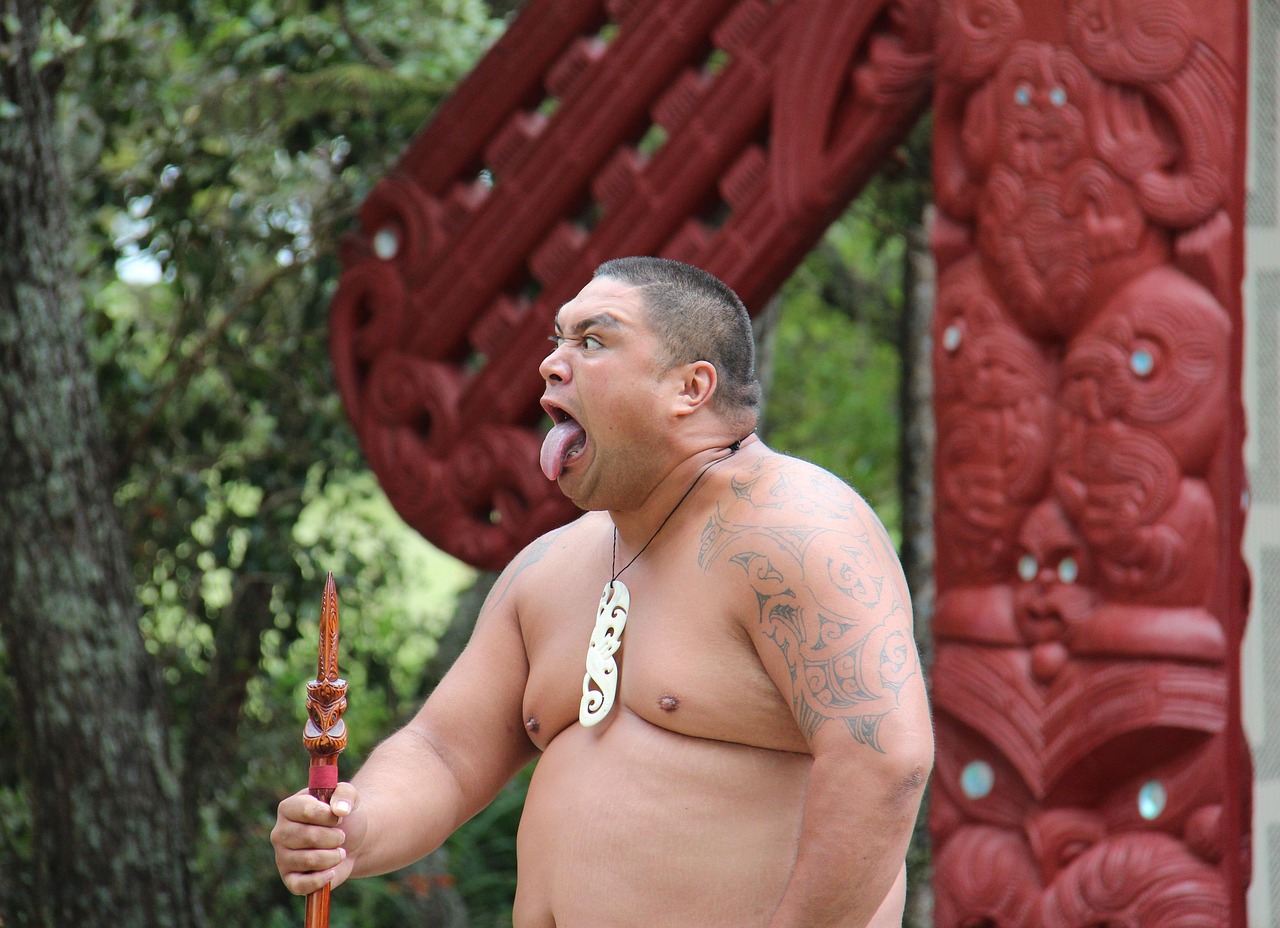
The haka is the most widely known. It’s a powerful posture and chant used to challenge, welcome, or commemorate. You’ll see it at cultural shows, rugby matches, and even at weddings and funerals. Then there’s waiata—song. Every marae visit or formal gathering includes waiata, carrying stories and emotions through simple, beautiful harmonies that stick with you.
Hangi is the cooking method you’ll almost certainly eat from during a marae stay or cultural tour. It involves steaming food in an earth oven using heated rocks, resulting in tender, smoky meat and vegetables. Finally, whakairo—carving—and weaving are the visual heart of the culture. You’ll see intricate designs in meeting houses, museums, and galleries. They’re not just decoration. Every pattern tells a story of ancestry, history, or place.
These aren’t museum pieces. They’re everyday expressions of identity. Respect them, and you’ll find the people generous with their time and stories.
Planning Your First Marae Visit: A Step-by-Step Guide
A marae is a communal and sacred meeting ground. Visiting one is the most direct way to experience Maori culture traditions authentically, but it comes with expectations. Here’s what you need to know.
How to book. You can’t just walk in. Most marae that welcome visitors require advance booking through a tour operator, an iwi (tribal) office, or a local cultural center. Rotorua is the most accessible place for this, but you’ll find options in Wellington, Christchurch, and the Bay of Islands.
The powhiri (welcome ceremony). Expect a formal process. It starts with a challenge from a warrior, followed by speeches, songs, and the hongi—the pressing of noses and foreheads that shares breath. You’ll be seated in the meeting house during the speeches. Stay silent unless invited to speak. When it’s your turn to hongi, move slowly and gently. It feels intimate the first time, but it’s meant to be warm.
Dress code matters. Skirts or trousers for women, long pants for men. No shorts. Closed-toe shoes are standard. Women should cover their shoulders with a scarf or shawl. Remove your shoes before stepping into the wharenui (meeting house). That’s non-negotiable.
Koha (gift). Bring an envelope of cash. The amount isn’t fixed, but $10–$20 per person is common. You hand it to your guide or an elder during the ceremony as a gesture of thanks and respect. If you want a shorter, less formal experience, a city cultural center like Te Puia in Rotorua offers great alternatives without the overnight commitment.
The Haka: More Than a War Dance – And Where to See It Well
The haka is often reduced to a performance piece, but its roots run deeper. It’s used to challenge, welcome, grieve, and celebrate. When you see a haka at a wedding or funeral, it’s not a show—it’s genuine emotion. Understanding that distinction changes how you watch it.
For visitors, the question is where to see it done well. There are two main paths.
Commercial cultural shows are the most common. Te Puia in Rotorua runs a polished evening complete with a haka performance, waiata, and a hangi dinner. It’s well-organized and family-friendly, so it works if you want a comprehensive experience in a few hours. Mitai Maori Village, also in Rotorua, offers a more intimate evening with a nighttime walk through a glowworm grove before the show. It feels less like a production and more like a village gathering.
Spontaneous sightings happen at rugby games. If you’re in New Zealand during the Super Rugby or All Blacks season, go to a match. You’ll see the haka live, in the raw, with 30,000 people behind you. It’s a completely different energy.
Best for: Intimate evening? Go Mitai. Full cultural package with carving and weaving workshops? Go Te Puia. Authentic crowd energy? Rugby match.
Common Mistakes Visitors Make With Maori Customs (And How to Avoid Them)
No one expects you to know everything, but these errors are easily avoidable—and they make a real difference to your host.
- Sitting on pillows. In a meeting house, pillows (or cushions) are often reserved for elders or speakers. Don’t sit on them. Sit on the floor or on a bench unless invited.
- Talking during the powhiri. During speeches, remain quiet. Even whispering can be seen as disrespectful. Focus on the speaker or the meeting house designs.
- Refusing the hongi. I know it feels close, but please don’t pull away. The hongi shares breath and connects you with the hosts. Refusing it is like refusing a handshake.
- Taking photos without asking. In the meeting house, ask before photographing anyone or anything specific. Some carvings have tapu (sacredness) that doesn’t translate well through a lens.
- Wearing hats inside the wharenui. Hats should be removed. It’s a sign of respect, like entering a church.
- Pointing with your feet. Feet are considered low and unclean. Don’t point them toward a person or a carving. Don’t stretch your legs out while seated.
- Taking food into the meeting house. Food doesn’t belong inside a carvings-filled space. It’s a mixing of the sacred and the common—and it’s not allowed.
These aren’t obscure rules. They’re common-sense respect. Treat them that way, and you’ll have a much richer experience.

Hangi: The Tradition of Earth Oven Cooking – What to Eat and Where
Hangi is the ultimate comfort food of Maori culture traditions. It’s not just about the cooking method—it’s the gathering that surrounds it. The process involves digging a pit, heating volcanic rocks, layering in baskets of meat and vegetables, covering everything with wet cloth and earth, and letting it steam for hours. The result is tender and smoky.
You’ll typically find lamb, chicken, pork, kumara (sweet potato), pumpkin, and cabbage. The smoky depth of the meat is hard to replicate on a conventional grill. For those wanting to recreate the experience at home, a good-quality roasting pan can help, but nothing beats the real thing from a hangi pit.
Where to eat hangi authentically:
- Marae visits often include a hangi dinner as part of the overnight stay. This is the most authentic setting, where you eat with the community.
- Community events and charity fundraisers sometimes sell hangi at affordable prices. You see them advertised in local Facebook groups or community boards.
- Cultural tours like the Tamaki Maori Village evening or Te Puia dinner include a hangi buffet. They’re a step above fast-food quality but still capture the essence.
DIY side note: If you’re camping and want to try your hand at it, you can buy a small hangi kit or a large earth oven thermometer online. It’s not common, but for the serious home cook, it’s a fun project. Most travelers stick with eating it fresh.
Maori Art and Carving: What to Buy vs. What to Avoid
Pounamu (greenstone) and bone carvings are the most sought-after Maori art pieces. They’re beautiful and meaningful. But the souvenir market is full of junk. Here’s how to tell the difference.
Authentic pounamu is a type of greenstone found only in New Zealand’s South Island. It’s warm to the touch and comes in shades from pale green to deep almost-black. Real carvings will have a hallmark and often include the carver’s name. Expect to pay $80–$300 for a small pendant. Anything under $50 is almost certainly overseas jade or plastic.
Bone carvings are also common. They feel smooth and slightly porous. Traditional designs include the koru (spiral), manaia (guardian), or hei tiki (human form). A genuine bone carving will cost $40–$150 for a simple piece. Avoid anything that feels like resin or looks too shiny and uniform.
Where to buy: Look for galleries in Rotorua or Whakatane that have workshop signs. Places where you can see the carver at work are more likely to sell genuine pieces. Avoid the highway stalls and discount souvenir shops near the airport. They sell souvenirs, not art.
What to avoid: Anything that says “New Zealand jade” without specifying pounamu, any piece that costs less than $30, and anything that looks like a mass-produced trinket. Your guest won’t appreciate a piece of plastic no matter how pretty the design.
Choosing Between a Marae Stay and a Cultural Tour
This is the decision many travelers face. Both offer deep exposure to Maori culture traditions, but they suit different travel styles.

Marae stay:
- Authenticity: Very high. You sleep on a communal floor, eat with the community, and follow their routine.
- Time commitment: Usually overnight, sometimes two nights.
- Rules: More protocol: dress code, no shoes, no phones during ceremonies, quiet hours.
- Best for: Solo travelers, small groups, and anyone who wants to understand the culture beyond a surface level.
Cultural tour:
- Authenticity: Good but staged. The flow is designed for entertainment.
- Time commitment: 2–4 hours in the evening, often with dinner.
- Rules: Minimal. You can dress casually, take photos more freely, and chat during the show.
- Best for: Families on a tight schedule, large groups, and anyone who wants a taste without the commitment.
The call: If you have one evening in Rotorua, a cultural tour is fine. But if you have 24 hours to spare and want an experience you’ll never forget, book a marae stay.
Essential Gear for Engaging With Maori Culture
Packing a few things ahead of time makes everything easier. You don’t need much, but these four items will get you through any marae visit or outdoor ceremony comfortably.
- Comfortable walking shoes. You’ll be on your feet for speeches and walking around the grounds. Closed-toe, waterproof if possible. Waterproof hiking shoes are a solid choice for unpredictable weather.
- A rain jacket. New Zealand weather changes fast. For outdoor hangi or evening shows, a packable jacket is a lifesaver. Check out options on Amazon.
- A small koha envelope. Bring cash in a plain envelope. It’s the standard way to present your gift. You can buy a small pack of envelopes at a stationery shop before you go.
- A scarf or shawl. Women should cover their shoulders in a wharenui. A lightweight scarf works for this.
That’s it. No special gear needed—just practical items that show you’ve thought ahead.
Understanding Tapu and Noa: The Sacred and the Common
Two concepts govern nearly every cultural rule you’ll encounter: tapu (sacred, restricted) and noa (common, unrestricted). They sound abstract, but they explain why you can’t bring food into a meeting house or sit on a table.
Tapu applies to places, people, and objects that are sacred or restricted. A carving, a meeting house, a cemetery, a chief’s head—all are tapu. You treat them with distance if you’re not part of the group. Noa is the opposite—ordinary, everyday, free from restriction. Food is noa. So when you mix food with a tapu space (like eating in a meeting house), you’ve violated a boundary.
The practical takeaway is simple: always ask before touching something in a meeting house. Don’t sit on tables or countertops. Don’t place food or drinks near carvings. And don’t point your feet at anything sacred. That’s the summary of tapu/noa for visitors.
When Not to Visit: Maori Cultural Events to Avoid as a Tourist
Most Maori cultural experiences are open to respectful visitors. But tangihanga (funerals) are not one of them. Unless you are a close friend or have been formally invited by the family, do not attend a tangi. They are private, grief-filled, and not tourist attractions. Showing up would be a serious breach of tapu and common decency.
Instead, look for public events during these times of the year:
- Matariki (Maori New Year) in June/July. Many towns host public celebrations with performances, food, and light shows.
- Waitangi Day (February 6th) features formal ceremonies and cultural displays at the Waitangi Treaty Grounds.
- Local kapa haka competitions are often free. Check local event calendars.
These are appropriate and welcoming for visitors. They give you a real glimpse into the living culture without intruding on private grief.

Final Practical Checklist: Your Quick Reference for Maori Customs
- Do remove shoes before entering a wharenui.
- Do bring a small cash koha in an envelope.
- Do dress modestly: long pants for men, covered shoulders for women.
- Do remain quiet during speeches.
- Don’t sit on pillows or tables.
- Don’t take photos without asking.
- Don’t refuse a hongi.
- Don’t bring food or hats into the meeting house.
- Don’t attend a tangi uninvited.
- Do ask before touching anything.
That’s the list. Print it, save it to your phone, or just remember these ten points. They’ll take you far.