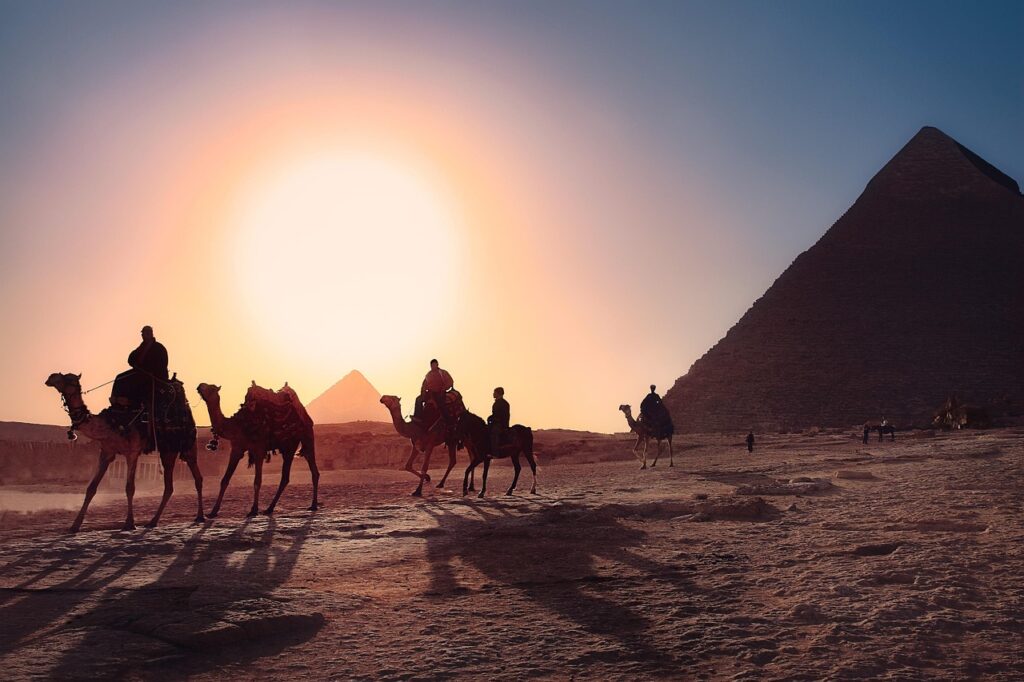
Introduction
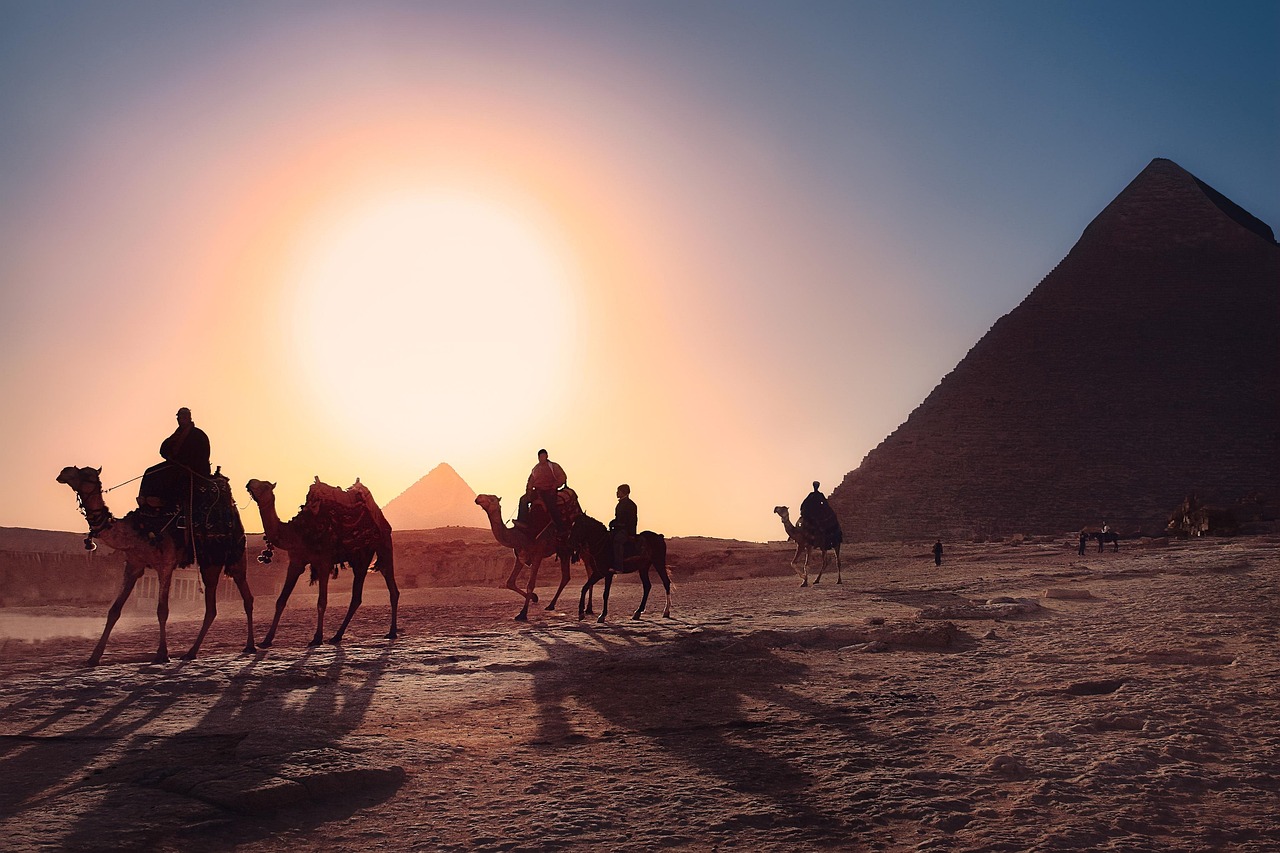
Standing in front of the Pyramids of Giza is one of those travel moments that actually lives up to the photos. They’re massive, ancient, and still surprising when you’re there. Whether it’s your first time checking off a bucket list item or you’re a returning traveler, planning ahead makes the difference between a smooth day and a frustrating one. This pyramids of giza guide covers timing, tickets, transportation, what to bring, and what to skip—so you can focus on actually enjoying one of the world’s most famous sites.

When to Visit the Pyramids of Giza
Timing your visit matters more than most people think. The Giza Plateau is in a desert climate, and summer temperatures can easily hit 40°C (104°F). Winter, from November to February, is more comfortable with daytime highs around 20–25°C (68–77°F). That’s the sweet spot for most visitors.
Crowds follow the weather. December and January see the highest tourist numbers, especially around Christmas and New Year’s. During peak season, expect long lines at the ticket booth and crowded viewpoints. The shoulder months—October, November, March, and April—offer a good balance of decent weather and manageable crowds. May and September are hotter but quieter.
A practical tip: arrive at opening time, usually 8:00 AM. The light is better for photos, the temperature is lower, and you’ll have at least an hour or two before the tour buses show up. Avoid Fridays and public holidays if you can, as local attendance spikes.
Tickets and Entry Fees for 2025
As of 2025, the general entry fee for the Giza Plateau is around 540 Egyptian pounds (roughly $18 USD) for adults. Students with valid international student IDs pay about half that. A separate ticket for the inside of the Great Pyramid costs approximately 1,000 EGP ($33 USD). The Solar Boat Museum also requires its own ticket, around 200 EGP.
Tickets are sold at the main entrance gate. There’s no official online booking system, so you buy them on site. That means cash is essential. Bring Egyptian pounds in small denominations because change can be scarce. Credit cards are rarely accepted at the ticket windows. Some guided tours include entry fees in their price, which saves you the hassle of queuing twice—once for the general ticket and again for the pyramid interior.
If you want to skip the main ticket line, arrive early or join a tour that handles the entry process. Don’t buy tickets from anyone outside the gate. Only purchase from the official ticket booths.
How to Get to Giza from Cairo
Getting from central Cairo to the Pyramids of Giza is straightforward, but your choice of transport affects both cost and comfort.
Uber and Careem are the most reliable options for most travelers. A ride from downtown Cairo or Zamalek costs around 150–250 EGP ($5–8 USD) and takes 45–90 minutes depending on traffic. You pay through the app, so there’s no haggling. This is my go-to recommendation for anyone who wants door-to-door convenience without the stress of negotiating.
Regular taxis are cheaper if you negotiate well, but you need to agree on the price before getting in. Expect to pay 100–150 EGP for the trip. The catch is that some drivers will try to charge more at the end, so confirm ‘fixed price’ upfront. I’ve seen travelers pay double because they didn’t set expectations clearly.
Private drivers and organized tours are another option if you want a full-day experience. A private driver for the day costs around 600–800 EGP and will wait while you explore. That’s worth it if you’re visiting with a group or want to combine Giza with the Egyptian Museum or Khan El Khalili.
Driving yourself is possible but not recommended. Traffic in Cairo is chaotic, parking near the pyramids is limited, and the navigation can be confusing. Save the rental car for other parts of Egypt.
Choosing the Right Tour: Guided vs. Independent
The decision between a guided tour and exploring on your own depends on what you value more: depth of information or flexibility.
A guided tour gives you context that you won’t get from a guidebook. A good Egyptologist explains the construction techniques, the history of each pyramid, and the significance of the Sphinx. You also skip some of the administrative hassle—entry tickets are handled, transportation is arranged, and you’re less likely to be bothered by touts. The downside is that tours move on a schedule. If you want to sit for an extra hour and watch the light change, you can’t.
Independent visits offer complete freedom. You can spend as much or as little time at each pyramid, skip the Solar Boat Museum if you’re not interested, and leave when you’re ready. The tradeoff is that you’re responsible for your own tickets, transportation, and navigation. You also miss out on the historical depth that a guide provides unless you’ve done serious research beforehand.
My advice: budget travelers who don’t mind reading up beforehand can go independent. Photographers should go independent or hire a private driver to control timing. History enthusiasts and first-time visitors who want the full story benefit most from a guided tour. Many tours include hotel pickup, entry fees, and a lunch stop, which simplifies the entire day.
If you’re leaning toward a tour, book one that specifically mentions an Egyptologist guide. That small difference transforms the experience from a walk in the desert to a real understanding of what you’re seeing.

What to Bring: Essential Gear for a Comfortable Visit
The Giza Plateau is an open desert site with minimal shade. A few key items make the difference between an enjoyable visit and a miserable one.
Start with sunscreen (SPF 50+) and a wide-brimmed hat. The sun is intense even in winter. A neck scarf or lightweight scarf is useful for covering your face during dust storms, which happen more often than you’d expect. Bring at least 1.5 liters of water per person. Vendors on site charge inflated prices for warm bottles. Travelers dealing with dust and dry air might appreciate a lightweight dust scarf for extra protection.
Comfortable closed-toe shoes are non-negotiable. The ground is uneven, sandy, and rocky. Sandals leave your feet exposed to sharp stones and hot sand. A lightweight daypack keeps your hands free and carries your water, snacks, and gear. A compact daypack is a practical choice for carrying all your essentials.
If you plan to sit and have a picnic or just take a break, a portable camping blanket is nice to have. The ground gets hot, and sitting directly on the sand isn’t comfortable. A small portable fan can also be a lifesaver during the hotter months.
Don’t forget your camera and extra batteries. The desert dust can drain batteries faster than usual.
Avoiding Common Mistakes at the Pyramids
Every day at Giza, tourists fall for the same scams. It’s not malicious, but it’s exhausting if you’re not prepared.
The most common one is the camel ride pricing. Someone will offer you a ‘short ride’ for a low price, then demand ten times that amount to let you get off. Always agree on the exact price, duration, and route before you mount. Even better, book camel rides through a reputable tour company rather than from the guys standing at the entrance.
Another classic: someone offers to take ‘a free photo’ of you with the pyramids. After they take it, they demand payment to hand over your phone back. Politely decline any unsolicited help. If you want a photo, use a selfie stick or ask a fellow tourist.
Fake tickets are a problem near the main gate. Only buy from the official booths. Ignore anyone who approaches you with ‘special access’ or ‘discounted entry.’
Water vendors charge 50–100 EGP for a small bottle that costs 5 EGP in a shop. Bring your own. And don’t accept ‘free’ anything—scarves, bracelets, or ‘gifts.’ The moment you accept, they’ll pressure you for payment.
Finally, don’t underestimate how much water you need. Dehydration catches up quickly in the desert. I’ve seen people cut their visit short because they felt dizzy and had to leave early.
Inside the Great Pyramid: Is It Worth It?
Going inside the Great Pyramid of Khufu is a polarizing experience. Some people find it awe-inspiring. Others find it claustrophobic and anticlimactic.
The interior is narrow and steep. You crawl up a wooden ramp through a passage that requires you to crouch. The air is hot, humid, and stale. When you reach the King’s Chamber, there’s nothing inside except an empty stone sarcophagus. No carvings, no treasures, no golden artifacts. You spend about 5–10 minutes inside before you have to climb back down.
Who should go inside? If you’re fascinated by ancient engineering and want to experience what it feels like to stand in a 4,500-year-old structure, it’s worth the extra ticket. If you’re comfortable in tight spaces and don’t mind the physical effort, do it.
Who should skip it? If you’re claustrophobic, have mobility issues, or are prone to heat exhaustion, save your money. The exterior views and the plateau itself are far more impressive. You won’t miss anything important by staying outside.
One more thing: the interior ticket is limited to 300 visitors per day, split between morning and afternoon sessions. Buy your interior ticket early when you arrive, or you might not get one.

Photography Tips for the Pyramids
You don’t need professional gear to get great photos at Giza. The scenery does most of the work, but a few tactical choices help.
Golden hour (the first hour after sunrise and the last hour before sunset) gives you warm light and long shadows that make the pyramids look dramatic. Midday sun washes everything out and makes harsh shadows under people’s eyes. If you can only visit in the middle of the day, focus on wider landscape shots and avoid portraits.
Where to stand for the classic shot: Walk to the east side of the plateau, just south of the Great Pyramid. From there, you can capture all three pyramids in one frame with no crowds behind them. Another good spot is near the panoramic viewpoint, which gives you a clear shot of the Sphinx with the pyramids in the background.
Drones are banned. Don’t fly one. The authorities confiscate them on sight, and you’ll face fines or worse.
A good zoom lens (70–200mm) lets you isolate the pyramids from the background and compress the perspective for a more dramatic look. A tripod is useful for long exposures at sunrise or sunset, but be aware that some guards may ask you to keep it low or not use it. Ask permission first.
Finally, be patient. Wait for groups to move. The pyramids aren’t going anywhere, and a little patience yields a frame with just you and 4,500 years of history.
Nearby Attractions to Combine with Your Visit
The Giza Plateau is more than just the three big pyramids. Several adjacent sites are worth your time.
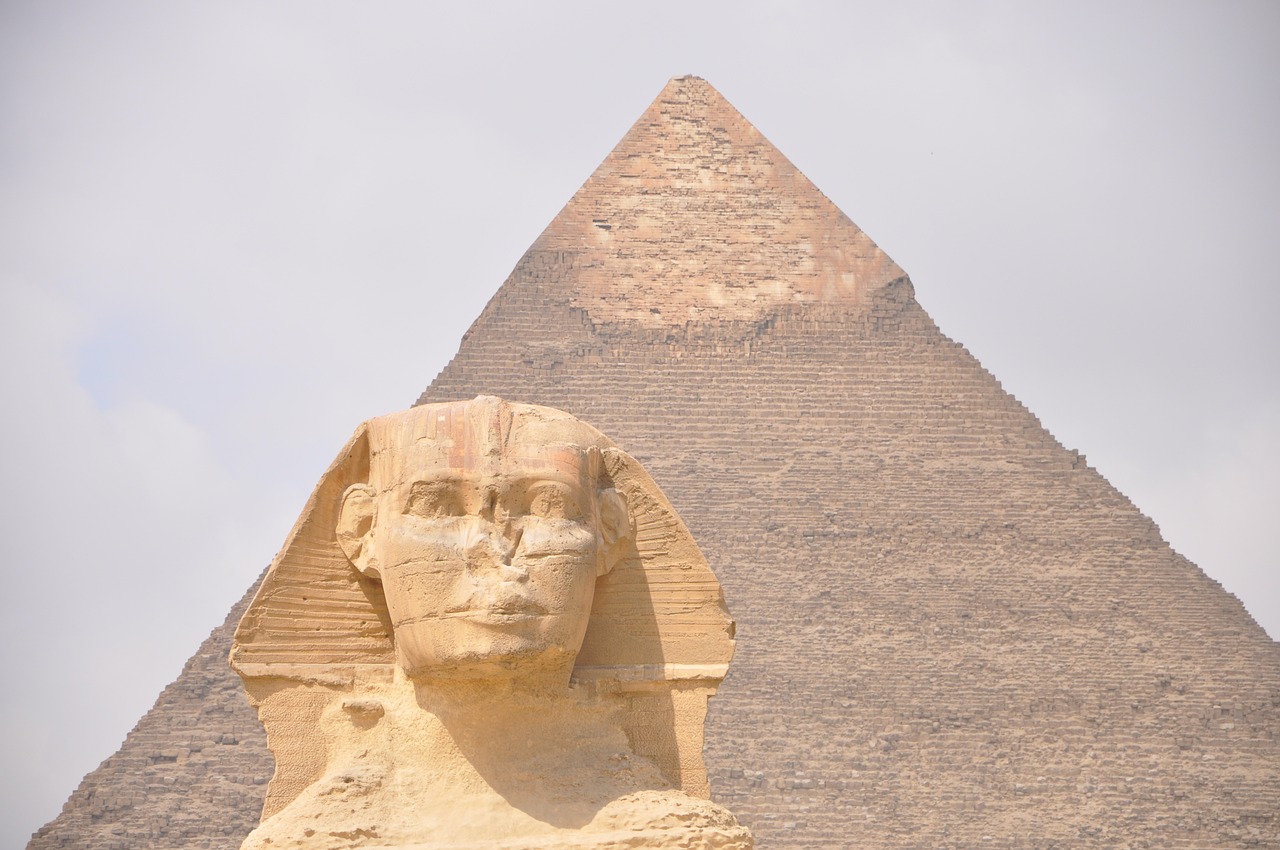
The Great Sphinx is right there, of course. You’ll see it from the plateau, but walking closer to the enclosure lets you appreciate its scale. The Sphinx Temple is nearby too, though much of it is in ruins. Budget 20 minutes for a proper look.
The Solar Boat Museum houses a reconstructed cedar boat that was buried next to the Great Pyramid. It’s an impressive piece of ancient engineering and the museum itself is well laid out. The separate ticket costs about 200 EGP. If you have time, it’s worth seeing. If you’re short on time, you can skip it—the boat is interesting, but not essential.
The panoramic view from the southern edge of the plateau gives you a wide-angle look at all three pyramids with the desert stretching behind them. Most tour buses stop here for photos. It’s a quick stop, but the perspective is unique.
You can easily combine all of these in one day if you arrive early. Start with the Great Pyramid interior (if you’re doing it), then walk the plateau, see the Sphinx, and finish with the Solar Boat Museum. A half-day is usually enough unless you’re a serious history buff.
Where to Stay Near the Pyramids
Where you stay depends on whether you want convenience or a view.
Budget travelers have options like the pyramids hostel or small guesthouses in Giza. These are basic but cheap, and some offer rooftop views of the pyramids. Expect shared bathrooms and minimal frills. Prices range from $10–25 per night.
Mid-range hotels with pyramid views are the sweet spot for most visitors. Properties like the Marriott Mena House or the Steigenberger Pyramids offer comfortable rooms, decent restaurants, and literal views of the pyramids from your window or rooftop restaurant. A standard room runs $100–200 per night. These hotels are popular for a reason: waking up to the pyramids is hard to beat.
Luxury resorts like the Four Seasons or Kempinski are further out in Giza or Heliopolis but offer full-service experiences with pools, spas, and fine dining. If you’re spending one night in Giza, the view hotels are the better choice. If you’re staying several days, a downtown Cairo hotel with easier access to other sites might be more practical.
For most people, I’d recommend the Marriott Mena House if your budget allows. The view alone makes it worth the price. If that’s out of range, look at the Steigenberger—same valley, slightly lower cost, still excellent.
Pyramids of Giza vs. Other Egyptian Sites: Should You Visit Both?
If you have more than two days in Egypt, you’ll likely ask yourself whether you should visit Giza only or also head to other ancient sites like Luxor or Saqqara.
Giza is iconic. The three main pyramids are enormous, the Sphinx is instantly recognizable, and the whole plateau feels monumental. But it’s also crowded, touristy, and there’s a lot of haggle pressure. The experience is more about checking off a world wonder than immersing yourself in history.
Saqqara, less than an hour south of Giza, is quieter and more educational. The Step Pyramid of Djoser is the oldest known pyramid, and the site has a much more archaeological feel. Fewer touts, more room to breathe. If you’re a history buff, combine Giza with Saqqara in a single day. Most tours offer a Giza-Saqqara tour combo.
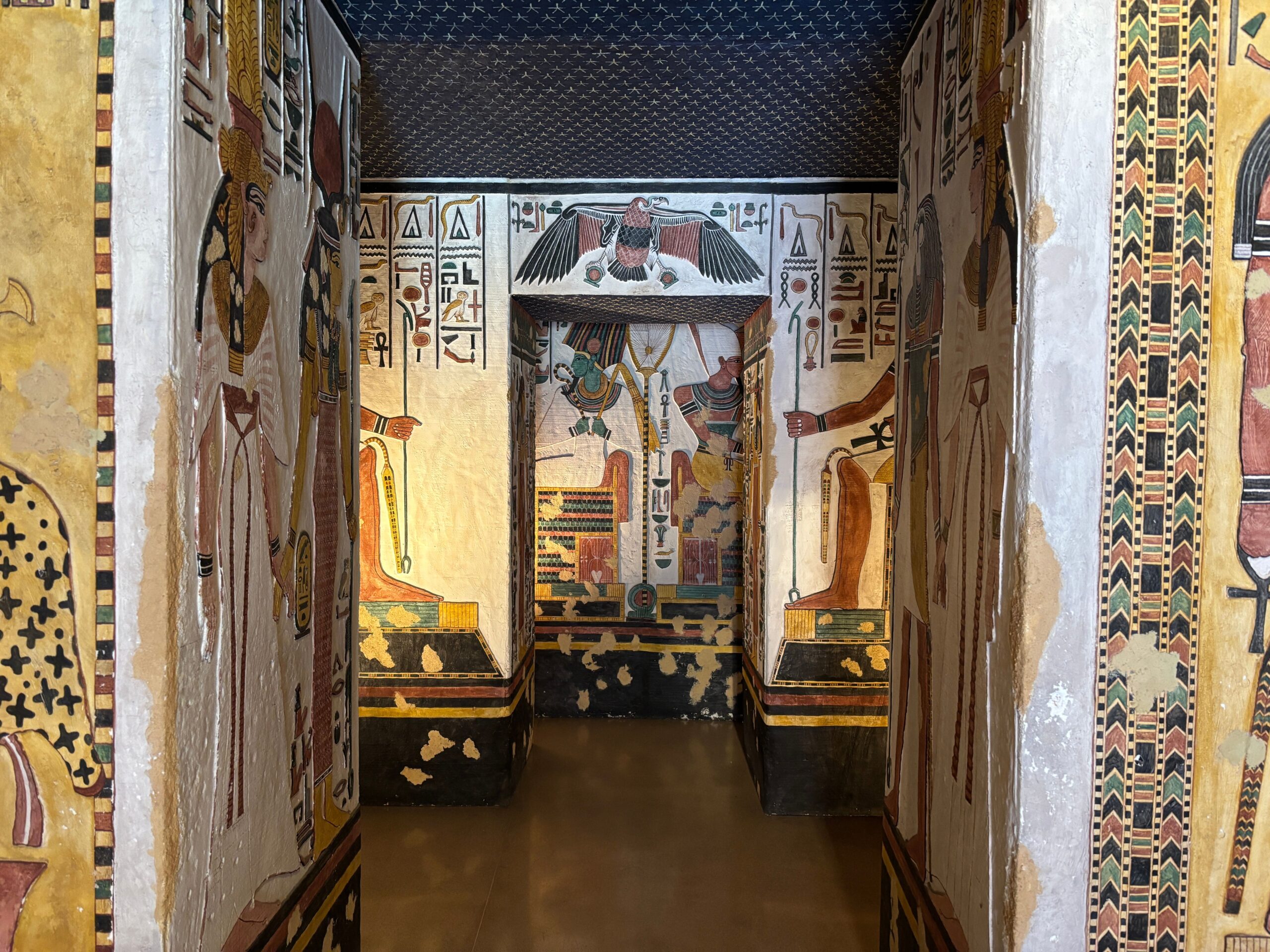
Luxor’s Valley of the Kings offers a completely different experience. Instead of pyramids, you get rock-cut tombs with intricate wall paintings. The scale is smaller, but the level of detail is unmatched. If you have time for Luxor, it’s absolutely worth the trip. But it’s a 3–4 hour flight or overnight train from Cairo, so you need at least two days there.
My recommendation: If you only have one day in Cairo, stick with Giza and the Solar Boat Museum. If you have two days, do Giza one day and Saqqara plus the Egyptian Museum the next. If you have five days or more, add Luxor. Giza is the highlight, but Saqqara and Luxor add depth that makes you appreciate what you saw at Giza even more.
Final Tips for a Smooth Visit
Here are the five things I’d tell anyone heading to the Pyramids of Giza:
- Start early. Arrive at 8:00 AM to beat the crowds and the heat.
- Bring cash in small denominations. You’ll need it for tickets, food, and tips.
- Ignore touts politely. A firm ‘la shukran’ (no thank you) works best.
- Stay hydrated. Your visit will be longer and more enjoyable if you’re not chasing a headache.
- If you want depth, book a guided tour with an Egyptologist. The difference between looking at stones and understanding history is worth the extra cost.
The Pyramids of Giza are one of those rare places that deliver on their promise. With the right preparation, you’ll leave with photos, memories, and a genuine appreciation for what ancient builders achieved. If you’re ready to plan your visit, check current tour prices and hotel availability to lock in your dates.