Introduction
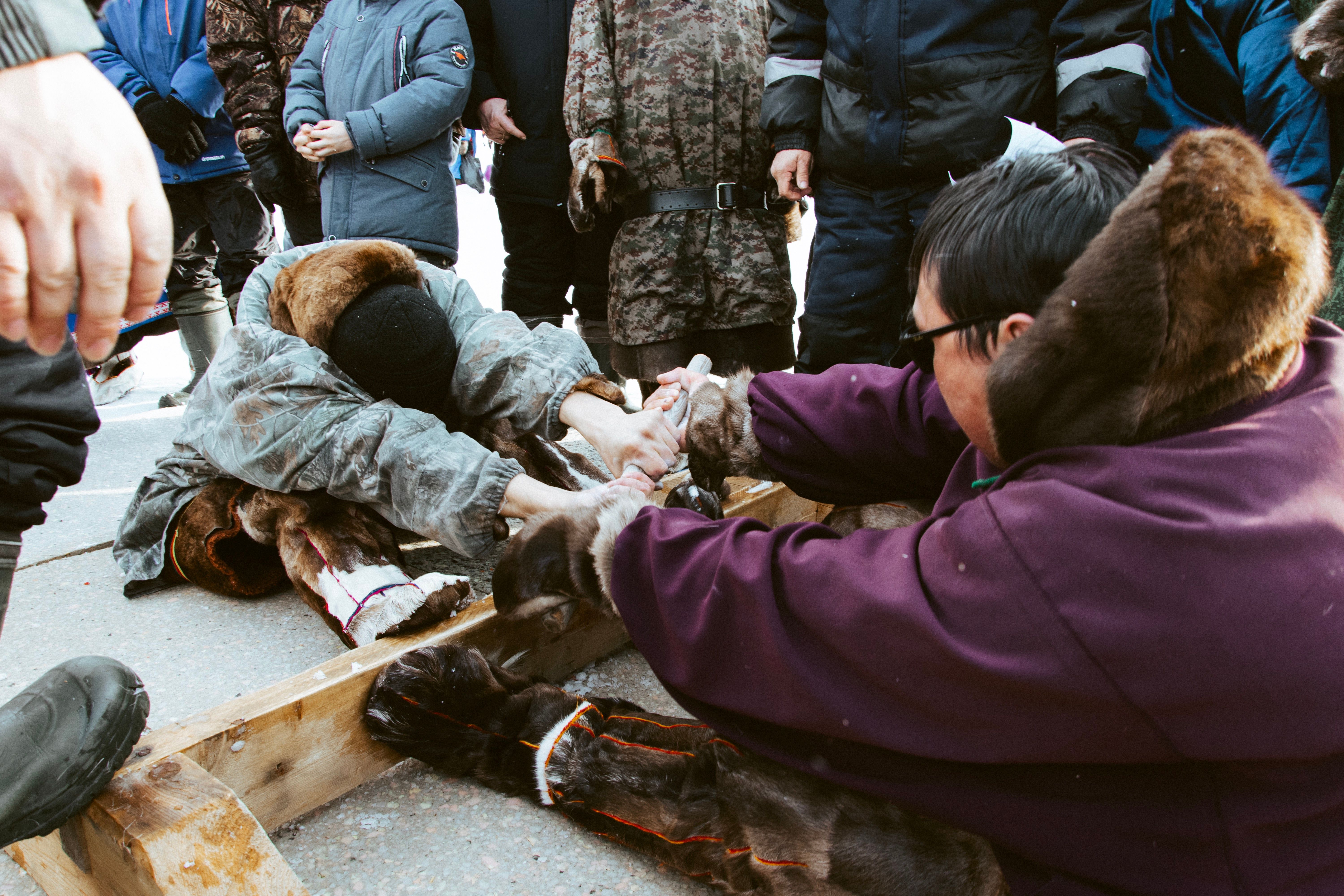
Understanding Inuit culture arctic life means setting aside what movies and TV shows have taught you about igloos and dog sleds. For travelers, students, or anyone curious about Indigenous Arctic peoples, the actual story is more layered—and a lot more interesting. This article covers what Inuit culture actually looks like today: the traditions that have held on, the day-to-day realities, and the challenges communities are dealing with right now. The focus is on practical, everyday life rather than romanticized ideas. Whether you’re planning a trip, working on a paper, or just want a clearer picture, the information here is grounded in how Inuit communities really live and function.

Who Are the Inuit? A Quick Overview of Arctic Indigenous Peoples
The Inuit are the Indigenous peoples of the Arctic regions in Alaska, Canada, and Greenland. The word “Inuit” means “the people” in Inuktitut, and it generally refers to groups across northern Canada and Greenland. In Alaska, the related groups go by Inupiat and Yupik. They share a lot of cultural and linguistic roots, but they’re distinct groups with their own dialects, traditions, and historical territories. A common mix-up is thinking all Arctic Indigenous peoples are Inuit. The Yupik of Alaska and Siberia, the Aleut of the Aleutian Islands, and the Sámi of Scandinavia are separate peoples with different languages and histories. That distinction matters, especially if you’re visiting or researching specific regions. Calling everyone “Eskimo” is considered outdated and offensive in most of Canada and Greenland. Stick with the specific group name when you can, or just say Inuit for those living in the Canadian Arctic and Greenland.
The Realities of Daily Life in an Inuit Community
Daily life in an Inuit community blends old practices with modern infrastructure. Hunting is still central—not just as tradition, but as a primary food source. Seal, caribou, walrus, and beluga whale are still harvested, though with regulations and quotas now. Hunters these days use snowmobiles, outboard motors, and rifles instead of dog teams or harpoons. Fishing for Arctic char, lake trout, and whitefish is just as important, often done through the ice in winter. In the short summer, people gather berries and plants.
Wage work is part of life for most adults now. Jobs are in local government, health care, education, retail, and resource extraction. Housing remains a real challenge. Many communities deal with overcrowding, extended families packed into small homes. Running water and sewage systems aren’t universal, especially in smaller, fly-in communities. Internet access has improved but is still slower and pricier than what people in southern Canada get. Store-bought goods are available but expensive—a liter of milk can run $10 or more in remote areas. That’s why food from hunting, what they call country food, isn’t a luxury; it’s essential. Electricity usually comes from diesel generators, so power is costly too. Despite all that, communities are tight-knit. Extended family networks step up to support each other. Daily life is practical and resourceful, nothing like the romanticized nomadic image. If you visit, expect hospitality, but understand that life runs at a different rhythm, with different priorities than what urban visitors might expect.
Traditional Inuit Diet: What to Expect if You Visit
The traditional Inuit diet, often called “country food,” is built on what the land and sea provide. Core foods include seal, caribou, Arctic char, whale (especially muktuk—the skin and blubber of bowhead or beluga whale), walrus, ptarmigan, and seabirds. Fish like lake trout and whitefish are staples too. In summer, people gather berries like cloudberries, blueberries, and crowberries. Nutritionally, this diet is high in protein and fat and very low in carbohydrates—which makes sense for surviving a cold climate. Organ meats are especially prized for their nutrient density.
If you visit an Inuit community, you’ll likely be offered country food. Accepting is a sign of respect. The flavors are strong, and the textures can catch you off guard. Muktuk is chewy and rich. Raw frozen Arctic char is mild and clean tasting. For travelers interested in culinary experiences, some tour operators include country food tastings. A cookbook like The Inuit Way or a food-focused cultural tour can give you deeper context and a natural way to engage with the culture. Just know: country food isn’t gourmet dining—it’s survival food that tastes like the land.

Key Cultural Values: Sharing, Patience, and Respect for Elders
Inuit culture is rooted in values that can seem foreign to outsiders. The biggest one is sharing. Traditionally, a successful hunt meant food was distributed throughout the community—not just to the hunter’s family. That was how everyone survived the harsh winters. That value still holds today. People commonly share meat, fish, and even things like fuel or clothing. Expecting to keep everything you catch or buy is seen as selfish.
Patience is another core value. In many Western cultures, efficiency and speed are prized. In Inuit communities, taking time to observe, listen, and act when the time is right is more valued. It shows respect and wisdom. Direct confrontation is generally avoided. Communication tends to be indirect. Disagreements are handled through silence or avoidance, not heated arguments. Elders hold a central role. They’re the keepers of knowledge about the land, survival skills, oral history, and proper conduct. When you visit, treat elders with deference. Don’t interrupt them. Listen more than you speak. Asking permission before taking photographs—especially of elders or ceremonies—isn’t just polite; it’s essential.
Inuit Clothing and Shelter: Practical Arctic Survival Tech
Traditional Inuit clothing and shelter are masterpieces of practical engineering, designed for extreme survival. The classic parka, called an amauti for women and a parka for men, is made from caribou or seal skin. The amauti has a large hood with a pouch for carrying a baby against the mother’s back. It’s incredibly effective: the mother’s body heat warms the baby while the fur insulates both from the wind. Caribou skin is hollow-fibered, so it insulates well. Seal skin is waterproof and durable. Footwear is critical too. Kamik are boots made from seal or caribou hide, designed to be waterproof and warm. These days, many people wear modern winter clothing from outdoor brands, but traditional gear still gets used for long trips or extreme cold.
Shelter varies by season and purpose. The iglu, made from wind-hardened snow blocks, is a temporary shelter used during winter hunting trips—not the primary home. The qarmaq (or qarmak) is a sod house, often partially underground for insulation, used as a semi-permanent home. In summer, people used tents made from caribou or sealskin; now canvas tents are common. For a visitor, understanding this traditional tech is key to appreciating Arctic survival ingenuity. If you plan to visit, high-quality winter gear is non-negotiable. Travelers who need reliable extreme-cold protection might want a parka rated to -40°C, waterproof winter boots with removable liners, and merino wool base layers. Traditional gear isn’t available for tourists to buy, so good modern equipment is your best bet.
Language: The Importance of Inuktitut and Other Dialects
The Inuit language family is called Inuktitut, with several distinct dialects. In Canada, the main dialect is Inuktitut, while Inuvialuktun is spoken in the western Arctic. In Alaska, the language is Inupiaq. In Greenland, it’s Greenlandic (Kalaallisut). Mutual intelligibility varies: a speaker from Nunavut can often communicate with a speaker from Greenland, but a speaker from Alaska might struggle. The writing system is unique too. Inuktitut uses a syllabic script, where each symbol represents a syllable instead of individual letters. Missionaries developed it in the 19th century, and it’s still taught in schools and used on signs across Nunavut. For a visitor, learning even a few basic words in Inuktitut—like nakurmiik (thank you) or uqaurtungit (hello in Greenlandic)—goes a long way. It shows respect for the language and the culture.

Inuit Art and Storytelling: More Than Souvenirs
Inuit art is deeply tied to culture and identity. Soapstone carving, printmaking, and throat singing are the most well-known forms. Soapstone carvings often show animals (seals, polar bears, birds) or human figures doing everyday tasks like hunting. They’re made from soft soapstone, carved with knives and files. Authentic carvings are signed by the artist and usually come with a certificate of authenticity. Printmaking, especially in Cape Dorset, has produced some of Canada’s most iconic art—bold, graphic prints in limited editions. Throat singing (katajjaq in Inuktitut) is a competitive game between two women, producing rhythmic sounds that mimic the wind, animals, or natural sounds. It’s not singing in the Western sense.
Storytelling is central. Oral tradition is how history, survival knowledge, laws, and values were passed down for millennia. Myths and legends explain the world: why the raven is black, how the sun and moon came to be, and how to survive encounters with spirits. If you want to buy authentic Inuit art, skip the airport gift shops and look for galleries that work directly with co-ops or artists. A book on Inuit art is a practical way to learn more without buying a carving. Approach art with respect, not as a cheap souvenir.
Modern Challenges: Climate Change, Health, and Economy
Inuit communities face a set of interconnected modern challenges worth understanding as a visitor. Climate change isn’t a distant threat here—it’s happening now. Melting sea ice means shorter hunting seasons for seal and walrus. Thinner ice makes travel by snowmobile dangerous. Changing animal migration patterns affect food security. Permafrost thaw damages buildings and infrastructure. The cost of living, especially in fly-in communities, can be crippling. A gallon of milk may cost $15. Gas for snowmobiles runs $6 per liter. Fresh produce is rare and expensive. That leads to food insecurity and a reliance on expensive, nutrient-poor processed foods. Health outcomes reflect these pressures. Rates of chronic diseases like diabetes and heart disease are high. Housing shortages mean overcrowding, which spreads respiratory illnesses like tuberculosis. Mental health is a major concern, with high rates of suicide, especially among young people. The economy is mixed: some communities benefit from mining or oil, but many lack stable, full-time employment. These aren’t problems a visitor can solve, but understanding them builds empathy. When you buy authentic art or hire a local guide, you’re directly supporting the local economy. Being aware of these realities makes you a more respectful traveler.
How to Experience Inuit Culture Respectfully as a Visitor
Visiting an Inuit community isn’t like visiting a museum. These are living places, and respectful engagement matters. The single best way to experience Inuit culture is through community-based tourism. Look for tours run by Inuit-owned businesses. In Nunavut, Arctic Bay Adventures offers community-led trips. In Greenland, operators like Greenland Travel or Disko Line work with local guides. The key is making sure your money goes directly to the community, not to a large southern corporation. Hire local guides. They know the land, the ice conditions, the animal behavior, and the cultural protocols. They can answer your questions with authority. Don’t assume you know better.
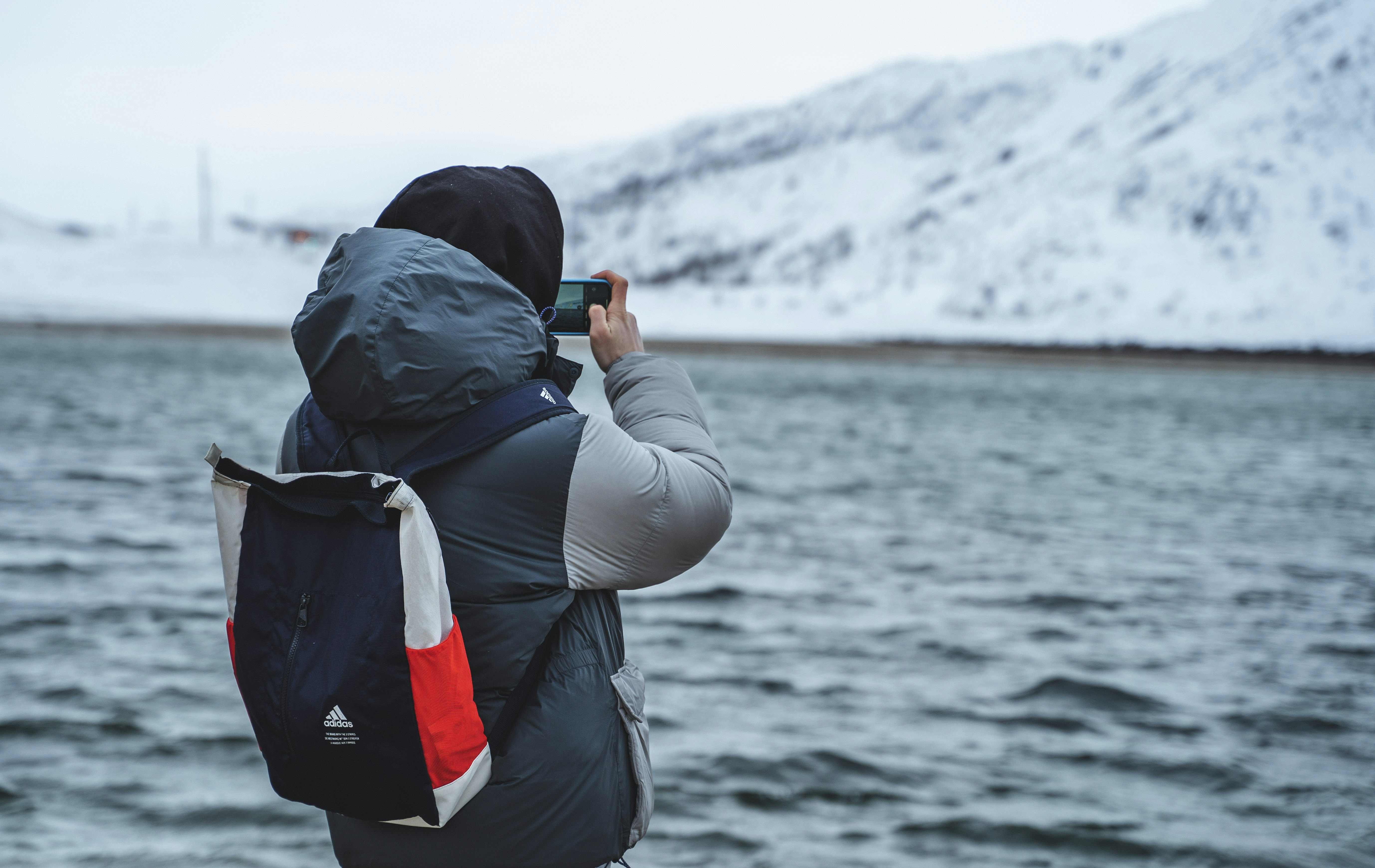
When taking photos, always ask first. Some ceremonies or activities may be off-limits for photography. Respect that. Support local businesses. Buy art from the co-op, not from a middleman. Eat at local restaurants or accept offers of country food. Dress appropriately—for function, not fashion. A good guidebook for Arctic travel or a booking link to a community tour are practical resources. Show up with an open mind, not a checklist. Be prepared for different social norms: direct eye contact may be avoided; silence isn’t awkward; time runs on a different schedule.
Common Mistakes to Avoid When Learning About Inuit Culture
If you’re researching or visiting Inuit communities, these common errors can hurt your credibility. First, don’t use the term “Eskimo.” In Canada and Greenland, it’s considered derogatory. Use “Inuit” (for those in Canada/Greenland) or “Inupiat” (Alaska). Second, don’t assume all Arctic Indigenous peoples are the same. The Yupik, Sámi, and Athabascan are distinct cultures with different languages and traditions. Third, don’t treat Inuit culture as a commodity. Don’t haggle over art prices or treat ceremonies as photo opportunities. Fourth, don’t ignore modern realities. Inuit live in houses, use technology, and watch Netflix. Focusing only on igloos and dog sleds is patronizing. These mistakes come from outdated stereotypes. Avoiding them shows you’ve done your homework.

Final Thoughts: Why Understanding Inuit Culture Matters
Understanding inuit culture arctic life isn’t just about satisfying curiosity. It’s about engaging with one of the most resilient peoples on Earth. By learning the facts, respecting the traditions, and supporting community-based tourism, you contribute to cultural preservation. Whether you buy a carving from a cooperative, book a tour with a local guide, or just share what you’ve learned, your engagement matters. This guide has covered the practical side—the diet, the values, the challenges, the art. Now it’s up to you to put that knowledge to use. Plan a trip, buy a book, or tell others what you’ve learned.