Introduction: What Are Italian Regional Pasta Shapes?
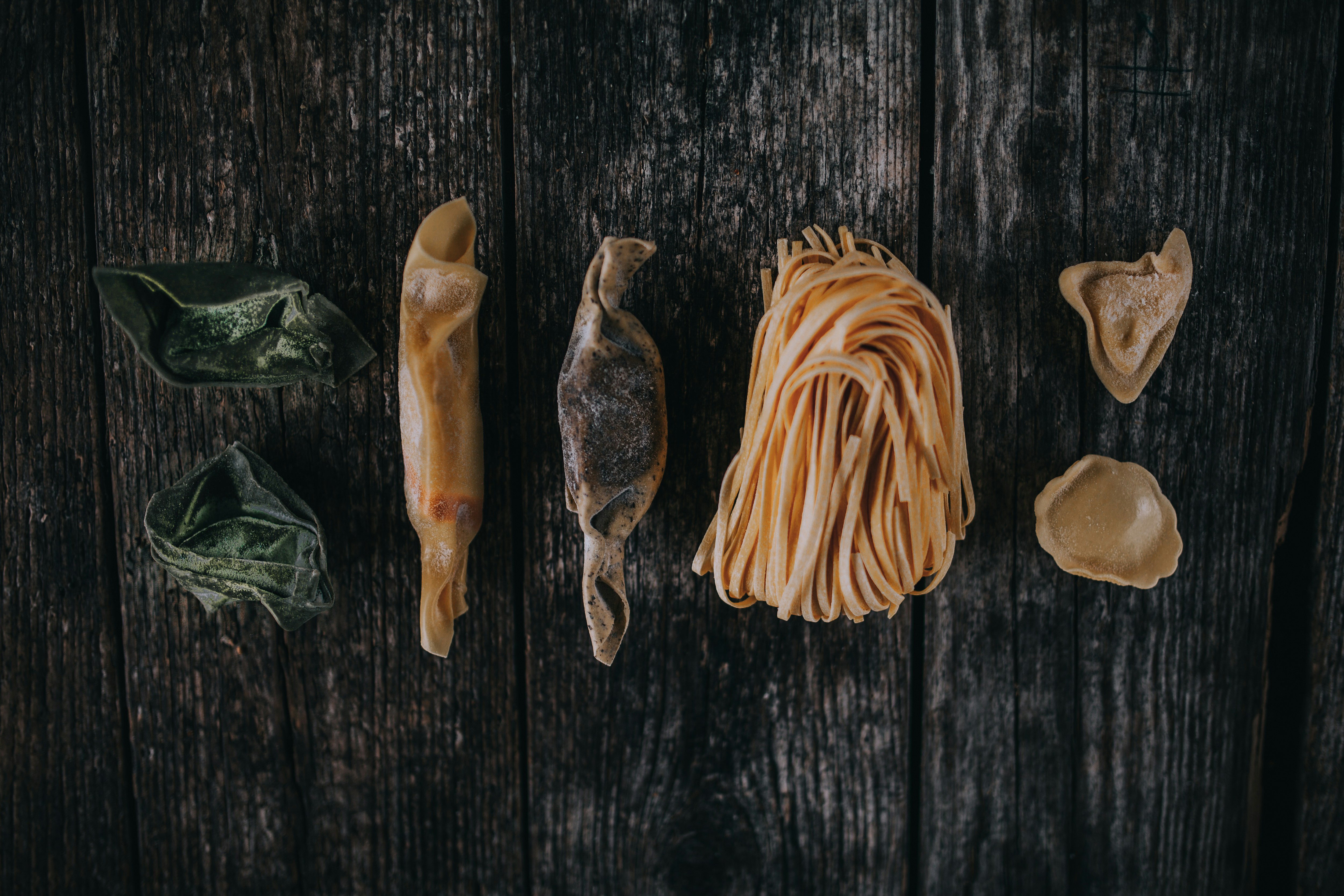
Walk into any supermarket pasta aisle and you’ll see dozens of shapes. But that variety barely scratches the surface. Across Italy’s twenty regions, hundreds of distinct pasta shapes exist—each one developed for a specific reason. Some were designed to hold a particular sauce. Others were shaped to dry properly in the local climate. Many were born from what grew nearby.
Understanding italian regional pasta shapes changes how you cook. When you know that orecchiette were made for catching cime di rapa in Puglia, or that tortellini demand a rich broth in Emilia-Romagna, you stop guessing and start cooking with intention. This guide is for home cooks who want to move beyond generic boxes and actually understand what to buy, what to make, and what to pair with what. No romance. Just practical knowledge you can use tonight.

A Brief History: Why Regional Pasta Shapes Exist
Before pasta became a national pantry staple, it was intensely local. The shape of pasta in any given region was dictated by three things: what grain grew there, how people dried it, and what sauce it needed to carry.
Northern Italy, with its cooler, wetter climate, produced soft wheat that was best used fresh. Eggs, which were plentiful, enriched the dough and helped it hold together. This led to delicate ribbons like tagliatelle and stuffed shapes like tortellini that could be poached in broth.
Central Italy, a transition zone, saw a mix of soft and durum wheat. Here, hand-rolled shapes like pici and spaghetti alla chitarra emerged—simple, rustic, and requiring no special equipment beyond a pair of hands.
Southern Italy and the islands had the hot, dry climate perfect for growing durum wheat. Hard semolina could be mixed with water, shaped, and left to dry in the sun. No eggs needed. This gave us orecchiette, cavatelli, and fusilli—shapes built to stand up to aggressive tomato sauces and vegetable ragùs.
This isn’t just trivia. The logic behind each shape directly affects how it should be cooked, sauced, and eaten. Pay attention to the origin, and your pasta will taste more like it should.
Northern Italy: Egg-Rich Pastas and Stuffed Shapes
Northern Italian pasta is defined by eggs. The standard dough is sfoglia—a mixture of soft wheat flour (type 00) and egg yolks, rolled thin and used fresh. This creates a tender, silky noodle that pairs beautifully with butter, cream, and meat ragùs.
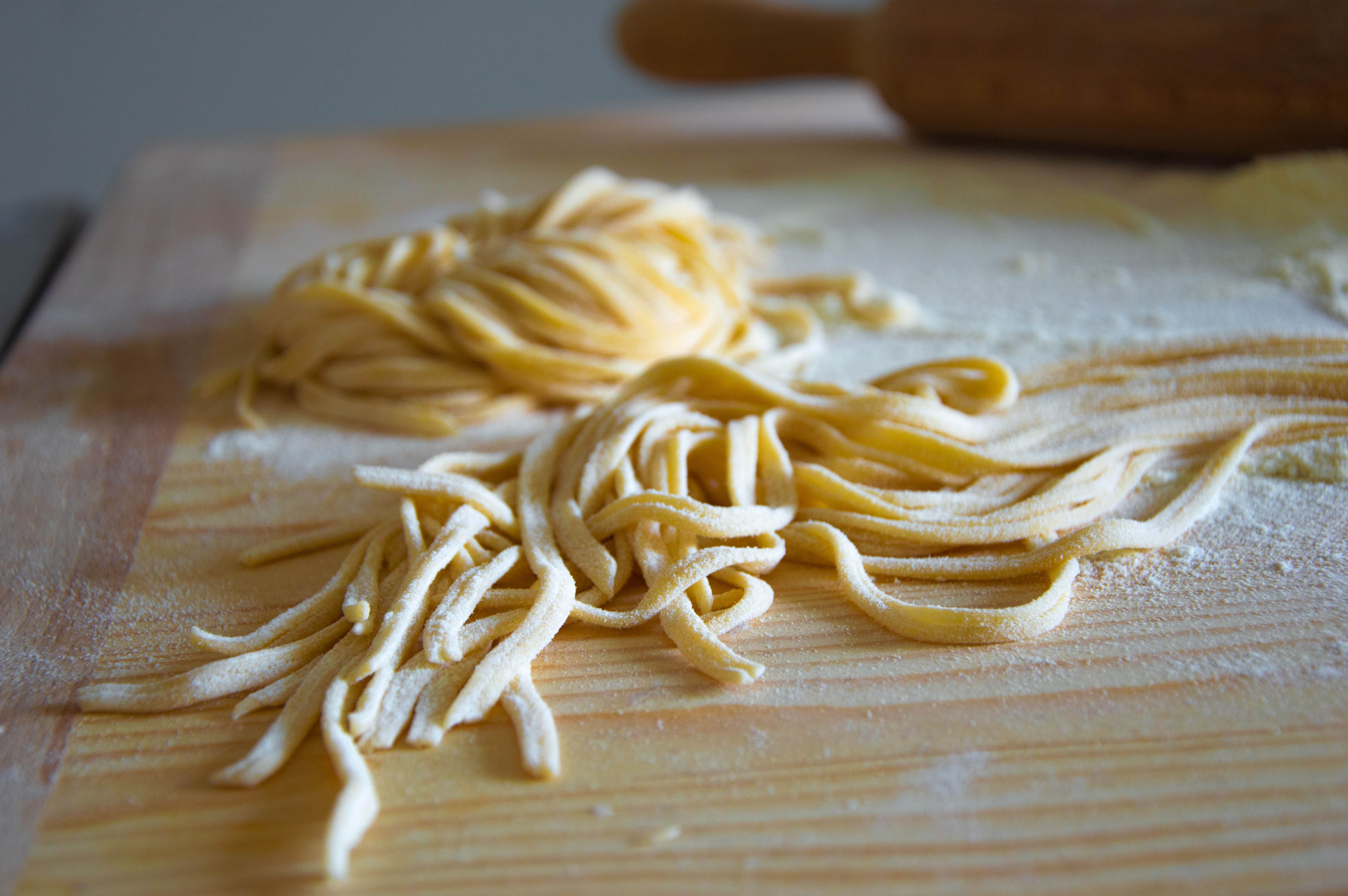
Tagliatelle are perhaps the most famous northern shape. These long, flat ribbons, about 6-8mm wide, are the classic partner for ragù alla bolognese. Freshness matters here. Dried tagliatelle doesn’t absorb sauce the same way. If you’re buying, look for fresh egg pasta in refrigerated sections. If you’re making, roll the dough to about 1mm thickness—too thick and it feels heavy, too thin and it collapses under the sauce. A manual pasta machine makes rolling fresh dough straightforward and even.
Pappardelle are wider—about 2cm—and even more forgiving. Their broad surface catches chunky sauces well, particularly wild boar or mushroom ragùs. They’re easier to cut by hand, making them a good starting point for beginners.
Tortellini and agnolotti bring in the stuffing dimension. Tortellini, from Bologna, are small, ring-shaped parcels traditionally filled with pork, prosciutto, and Parmesan. They’re served in brodo (broth) or with butter and sage. Agnolotti, from Piedmont, are larger, square-shaped, and typically filled with roasted meat or vegetables.
The tradeoff with stuffed pastas is time. Making them from scratch is a project. If you’re buying, seek out artisanal versions from specialty Italian shops. Mass-produced supermarket tortellini often use fillers and lack the tight, tender seal of a handmade one. Read the ingredient list. If the filling reads like a chemistry set, move on.
Another common mistake is overcooking stuffed pasta. Because egg pasta cooks quickly—usually 2-4 minutes fresh—it’s easy to overshoot. Test one piece at the lower end of the suggested time. And never rinse fresh pasta. The surface starch helps the sauce cling.
Central Italy: The Land of Hand-Rolled and Extruded Shapes
Central Italy bridges the egg-rich north and the semolina-heavy south. Here, you’ll find a mix of egg and no-egg pastas, but the defining characteristic is technique: hand-rolling and hand-cutting.
Pici from Tuscany are a perfect example. Think of them as thick, hand-rolled spaghetti. The dough is just flour and water—no eggs—rolled into long, irregular strands. Their rough, uneven surface is exactly what makes them work. Every little bump and ridge grabs sauce. The classic pairing is pici al cacio e pepe or a garlicky tomato sauce called aglione.
Making pici is meditative, not difficult. Roll a rope of dough between your palms until it’s about 3-4mm thick. Don’t worry about perfection. The unevenness is the point. A common mistake: adding too much flour during rolling, which creates a dry, chalky noodle. A light dusting is enough.
Strangozzi from Umbria are similar but typically square-cut rather than round. They’re often served with black truffle or simple tomato and basil. Look for them dried from Umbrian producers—they hold up well to aggressive sauces.
Spaghetti alla chitarra is a signature shape from Abruzzo. The dough includes eggs, rolled thin, then pressed through a guitar-like cutting tool (chitarra) that creates square-edged noodles. The square shape gives more surface area than round spaghetti, making it better for trapping sauce. Classic pairings include lamb ragù or a simple tomato and basil sauce. The tool itself is inexpensive. If you enjoy making pasta, a pasta chitarra tool is worth owning for achieving that signature square-cut noodle.
The main difference from northern pastas: central shapes have more bite and texture. They’re less silky, more rustic. That rustic quality requires good quality durum or semolina flour. For pici and strangozzi, skip the 00 flour and use semolina rimacinata—it gives the right chew.
Southern Italy: Dried, Durum, and Shaped by the Sun
Southern Italian pasta is built for heat, sun, and big flavors. The dough is exclusively durum wheat semolina and water. No eggs. This creates a firm, resilient pasta that can be dried without refrigeration and cooked al dente—the only way southern Italians eat it.
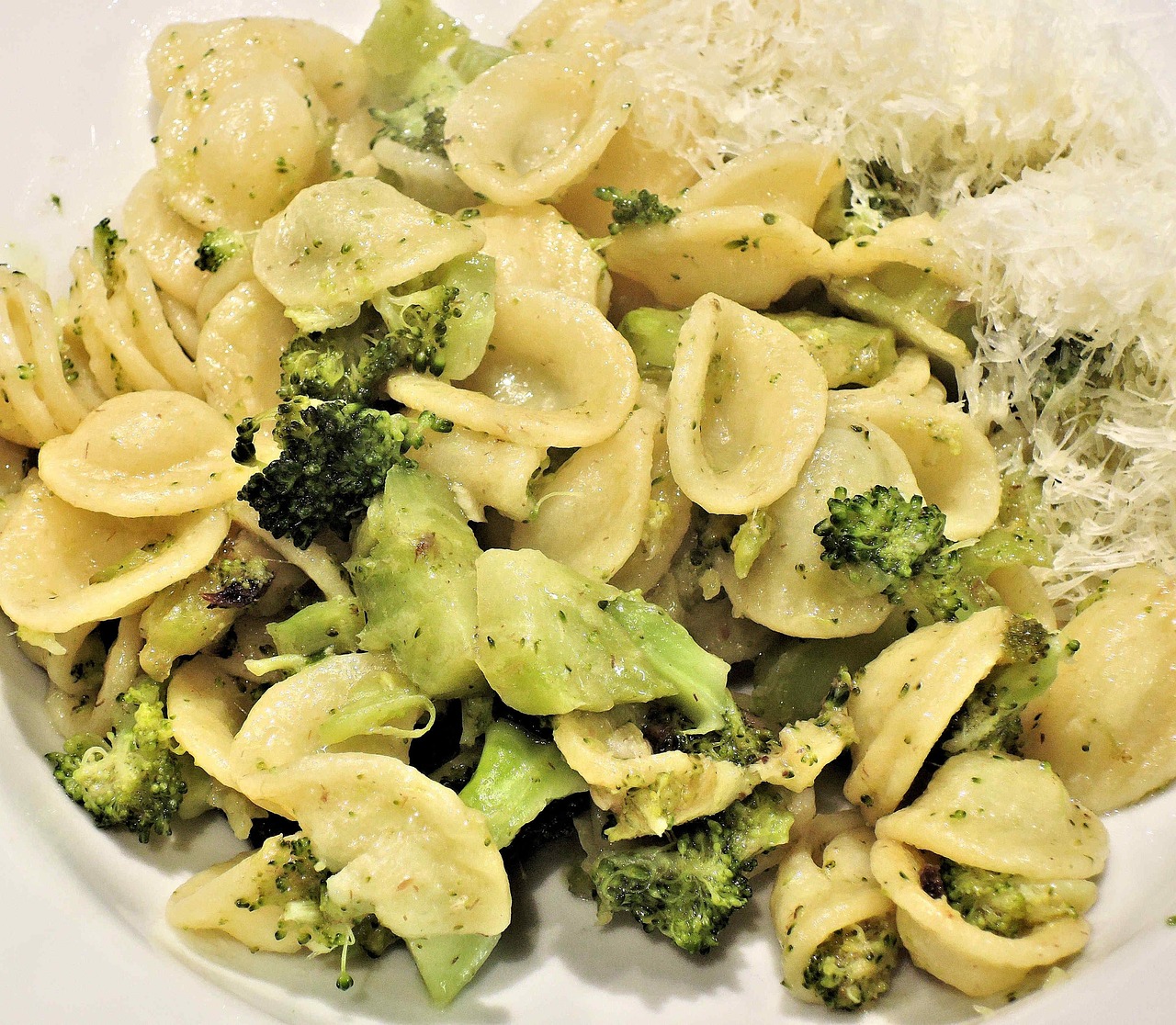
Orecchiette from Puglia are small, ear-shaped domes. The shaping technique matters: press a small piece of dough with your thumb against a wooden board, dragging it slightly to create a thin center and thicker rim. The thin center cooks faster, the thick rim stays chewy. This contrast is what makes them satisfying. The classic pairing is orecchiette con cime di rapa (turnip greens, garlic, anchovy, chili). They also work well with broccoli rabe, sausage, or simple tomato sauce.
Common mistake: undercooking the greens and then trying to combine everything at the last minute. Instead, blanch the greens briefly, then finish them in a pan with garlic and oil while the pasta cooks. Toss everything together with pasta water for emulsification.
Cavatelli are smaller, shell-like shapes, also from Puglia and Basilicata. They’re made by rolling a small piece of dough into a log, then pressing and dragging it with your finger to create a ridged shell. The ridges hold chunky sauces well. Look for dried cavatelli from producers like Divella or seek out fresh versions from Italian delis.
Fusilli (the spiral shape) and busiate (from Sicily, twisted around a thin rod) both require a twisting motion. Fusilli can be extruded or hand-rolled; busiate are always hand-twisted. The spiral shape traps pesto and vegetable sauces beautifully. For busiate, the classic pairing is pesto alla trapanese—a Sicilian pesto made with almonds, tomatoes, basil, and garlic.
Cooking times for southern pastas are longer than fresh egg pasta—typically 10-14 minutes for dried shapes. Always salt the pasta water generously (about 1.5 tablespoons per 4 quarts of water). And never, ever rinse. The starch is your sauce’s best friend.
The Islands: Sicily and Sardinia’s Unique Pasta Traditions
Sicily and Sardinia developed pasta traditions distinct from the mainland. Isolation, local ingredients, and different cultural influences shaped their pastas.
Malloreddus (often called gnocchetti sardi in Italian) are Sardinia’s most famous pasta. They’re small, ridged shells made from semolina and water, colored slightly yellow with saffron. The ridges are created by pressing each piece over a ciuliri (a small woven basket) or a ridged board. Their texture is rough and toothsome, perfect for catching sugo di salsiccia (sausage ragù) or a simple tomato sauce with pecorino. If you’re buying, look for bronze-die extruded malloreddus—the extrusion process gives a rough surface that sauce grabs. Smooth, Teflon-die versions are inferior.
Fregola is not a shaped pasta in the traditional sense. It’s toasted semolina granules, similar to couscous but larger and nuttier from the toasting process. It’s used in soups or served with seafood—clams, mussels, and tomato broth is a classic. The toasting step is non-negotiable; it adds a complexity that raw semolina lacks. You can buy fregola dried or try toasting it yourself, but sourcing it from a Sardinian producer is easier and more reliable.
Busiate, as mentioned, are Sicilian. They’re made by wrapping a thin strip of dough around a buso (a thin rod, traditionally a dried stem of a specific plant) and sliding it off to form a corkscrew shape. They’re excellent with pesto alla trapanese, which is lighter and fresher than basil pesto. If you’re making busiate at home, any thin cylindrical object works—a chopstick, a skewer, even a knitting needle.
For buying island pastas outside Italy, specialty Italian import shops or online retailers are your best bet. Look for companies based in Sicily or Sardinia. Expect to pay more—often 8-12 USD per pound—but the quality difference is noticeable. These are artisanal products, not commodity pasta.

Sauce Pairing Principles: Matching Shape to Sauce Texture
Sauce pairing isn’t about rules—it’s about physics. The shape of the pasta determines how much sauce it can hold and how that sauce feels in the mouth. Get this right, and everything works better.
Here’s a simple framework:
- Smooth, delicate sauces (butter, cream, light oil) → Delicate shapes (angel hair, fresh tagliatelle, cappellini). Thin sauces coat these noodles evenly without overwhelming them. A heavy ragù on angel hair just results in a pile of mush.
- Thick, chunky sauces (ragù, vegetable sauces) → Broad, sturdy shapes (pappardelle, lasagna sheets, tagliatelle). The wide surface catches chunks of meat or vegetables. The pasta can support the weight.
- Pesto, light tomato sauces → Ridged or twisted shapes (fusilli, cavatelli, busiate). The ridges and twists trap small particles and emulsify the sauce. Oil-based pesto needs these pockets to cling.
- Thin, brothy sauces → Long, thin shapes (spaghetti, linguine) or shapes that trap liquid (orecchiette, ditalini). The broth coats the surface or fills the cavity.
- Chunky vegetable sauces, ragù → Short, thick, textured shapes (orecchiette, cavatelli, malloreddus). The chunks lodge in the cups and ridges. A smooth shape would let them slide off.
Common mistake: serving a cream sauce with orecchiette. The sauce pools inside the ear-shaped cup without coating the rest of the pasta, resulting in a pasty sauce blob and dry noodles. Stick to the pairing logic: if the sauce is chunky, use a shape with pockets or ridges. If it’s thin, use something that traps it.
Sauce Pairing Cheat Sheet by Region
- North: Tagliatelle → Ragù alla bolognese (Classic Bolognese)
- North: Pappardelle → Wild boar or mushroom ragù
- North: Tortellini → Brodo (broth) or butter and sage
- Central: Pici → Cacio e pepe, garlic and tomato (aglione)
- Central: Strangozzi → Black truffle, simple tomato
- Central: Spaghetti alla chitarra → Lamb ragù, tomato and basil
- South: Orecchiette → Cime di rapa (turnip greens), sausage, tomato
- South: Cavatelli → Broccoli rabe, sausage, chunky tomato
- South: Fusilli → Pesto, tomato-based sauces with vegetables
- Sicily: Busiate → Pesto alla trapanese (almond, tomato, basil)
- Sardinia: Malloreddus → Sausage ragù, tomato and pecorino
- Sardinia: Fregola → Seafood broth, clams, mussels
Where to Buy Authentic Regional Pasta Shapes
Finding the real thing matters. Mass-produced pasta from the supermarket is fine for everyday cooking, but it won’t give you the texture, flavor, or sauce-holding ability of artisanal regional shapes. Here’s where to look.
Online specialty stores are your best bet for variety. Sites like Eataly, Gustiamo, Market Hall Foods, and Paesana carry a wide selection of regional pastas from small Italian producers. Expect to pay more—usually 6-12 USD per pound—but you’re paying for bronze-die extrusion, slow-drying, and single-source grains. Check the label: it should say “bronze die” (trafilata al bronzo) and “slow-dried” (essiccazione lenta). If it doesn’t, it’s likely industrial.
Italian import shops in major cities can be a goldmine. Walk in, ask what they have from Puglia, Sicily, or Emilia-Romagna. They often carry brands you won’t find elsewhere. Building a relationship with a shop owner can lead to recommendations you won’t get online.
Direct from producers is the ideal if you’re serious. Some Italian pasta makers ship internationally—Pastificio dei Campi, Afeltra, Martelli, and Monograno Felicetti are well-regarded. You’ll pay a premium (think 15-25 USD per pound including shipping) but the difference in texture and flavor is significant.
Artisanal pasta subscription boxes, like Pasta Evangelists or Market Hall’s pasta club, offer a way to sample different shapes without committing to five pounds of one kind. They’re a good entry point for curious cooks.
Home Pasta Making Tools: What You Actually Need
You don’t need a $500 extruder to make good pasta at home. Start simple, add as you go. Here’s what actually matters:
- Rolling pin (preferably tapered): Essential for hand-rolled shapes. A standard rolling pin works but a tapered one gives more control over thin edges. Budget: 15-30 USD. Consider MOLIVARN or J.K. Adams.
- Pasta machine (manual): The Imperia or Marcato Atlas 150 is the gold standard. They clamp to the counter, roll dough evenly, and last for decades. Expect to pay around 60-100 USD. Worth every penny for cutting fresh tagliatelle or lasagna sheets.
- Extruder (manual): For shapes like fusilli, bucatini, or spaghetti. A hand-crank extruder from Marcato or KitchenAid with a pasta press attachment is good for occasional use. Electric extruders (MOLIVARN or Phillips) handle stiffer dough better and are faster, but cost 150-300 USD. For most home cooks, manual is enough.
- Bench scraper: Dirt cheap (5-10 USD), endlessly useful for dividing dough, cleaning, and shaping. An OXO or Dexter-Russell bench scraper will last for life.
- Drying rack: For hanging fresh pasta before cooking. A simple wooden or plastic rack (15-25 USD) prevents sticking. You can also use a clothes drying rack or even a broom handle balanced on two chairs.
Tradeoffs to consider: Manual pasta machines take more physical effort but are reliable and repairable. Electric extruders are faster but harder to clean and more likely to break. If you’re on a budget, start with a rolling pin and bench scraper. If you’re serious, invest in a Marcato Atlas and add an extruder later. Skip the cheap plastic pasta machines that wobble and break—they’re not worth the 30 USD.
Common Mistakes When Cooking Regional Pasta Shapes
Even experienced cooks make these errors. Here’s what to avoid:
- Using too much water for fresh pasta: Fresh egg pasta releases starch quickly. A huge pot of water dilutes the starch, making it harder to emulsify sauces. Use a smaller pot (about 4 quarts for 12 ounces of fresh pasta) and reserve the pasta cooking water—that starchy liquid is critical for sauce cohesion.
- Under-saucing: Pasta should be coated, not swimming in sauce, but many home cooks are too conservative. For a pound of pasta, you need about 1.5-2 cups of sauce. When tossing, add a splash of pasta water to help it cling. Taste a strand—if it’s dry, add more sauce or water.
- Ignoring shape-specific cooking times: A rubbery orecchiette or a mushy pappardelle is a result of poor timing. Always check the package (if dried) or test frequently (if fresh). Orecchiette need a good 10-12 minutes for a tender bite; fresh tagliatelle are done in 2-3 minutes. Set a timer, but taste anyway.
- Over-handling delicate shapes: Stuffed pastas and thin ribbons break easily. Stir them gently with a slotted spoon or wooden paddle. Dumping them into a colander and shaking violently will destroy them. Use a stainless steel spider strainer to lift them out of the water, preserving their shape and texture.
- Rinsing pasta (ever): I’ll say it plainly: do not rinse pasta unless the recipe specifically calls for it (e.g., for cold pasta salad). Rinsing removes the surface starch that helps sauce adhere. For fresh pasta, it’s particularly destructive—the noodle becomes slick and sauce slides right off. If the pasta is too sticky, toss it with a tiny bit of olive oil, not water.
Building a Regional Pasta Dinner: A Sample Menu
Here’s a practical way to apply everything from this guide. A three-course dinner that travels across Italy, each course highlighting a different regional tradition.
Antipasto: Northern Italy
Tortellini in Brodo (Emilia-Romagna)
Small, meat-stuffed tortellini served in a rich chicken or beef broth. Simple, elegant, and a perfect starter. Use fresh tortellini and make the broth from scratch if possible—it makes a difference. Wine pairing: Lambrusco (a dry, sparkling red).
Primo: Central Italy
Pici al Cacio e Pepe (Tuscany)
Hand-rolled pici tossed with pecorino Romano, black pepper, and pasta water. The sauce is just three ingredients, and the rough texture of the pici catches every bit of it. Wine pairing: a Chianti Classico or a Sangiovese.
Secondo: Southern Italy
Orecchiette con Cime di Rapa (Puglia)
Ear-shaped orecchiette with turnip greens, garlic, anchovy, chili, and a final hit of salty ricotta salata. The bitterness of the greens matches the richness of the pasta. Wine pairing: Primitivo or Negroamaro.
Dolce (optional): Keep it simple. A slice of panforte or a few biscotti with vin santo. The point is to let the pasta stand out.

Final Thoughts: Start with One Shape, Master It
There are dozens more shapes than what’s in this guide. And that’s fine. The worst thing you can do is try to learn them all at once. Pick one shape from your favorite region—maybe orecchiette if you love Puglian flavors, or pappardelle for a hearty ragù. Make it a few times. Experiment with the sauce pairing. Get comfortable with the technique. Repetition builds the intuition you need to branch out.
Pasta is not complicated. It’s just specific. Every shape has a job, and now you know what that job is. For your next pasta-making session, having a pasta drying rack on hand can help keep your fresh noodles organized and prevent them from sticking together. If you found this guide helpful, bookmark this page for your next trip to the Italian market or your next pasta-making session. And if you want to go deeper, explore our other regional deep dives for more techniques, recipes, and sourcing tips.